Wethersfield 250: Memorial Day in a New England Town
Reflections from the 250 Jubilee Encampment & Trades Fair
Pre-Revolutionary Foundations Settled in 1634 by the Puritan “Ten Adventurers,” Wethersfield stands as one of Connecticut’s oldest towns and the site of the state’s largest historic district. Early colonists carved a life from timber, meadow, and river, raising livestock while pioneering commercial agriculture — most famously the red onion trade that made Wethersfield Connecticut’s first commercial port town along the Connecticut River. By the mid-18th century, this prosperous, tight-knit community had built more than fifty homes that still stand today, creating a living backdrop of pre-Revolutionary New England resilience and ingenuity.
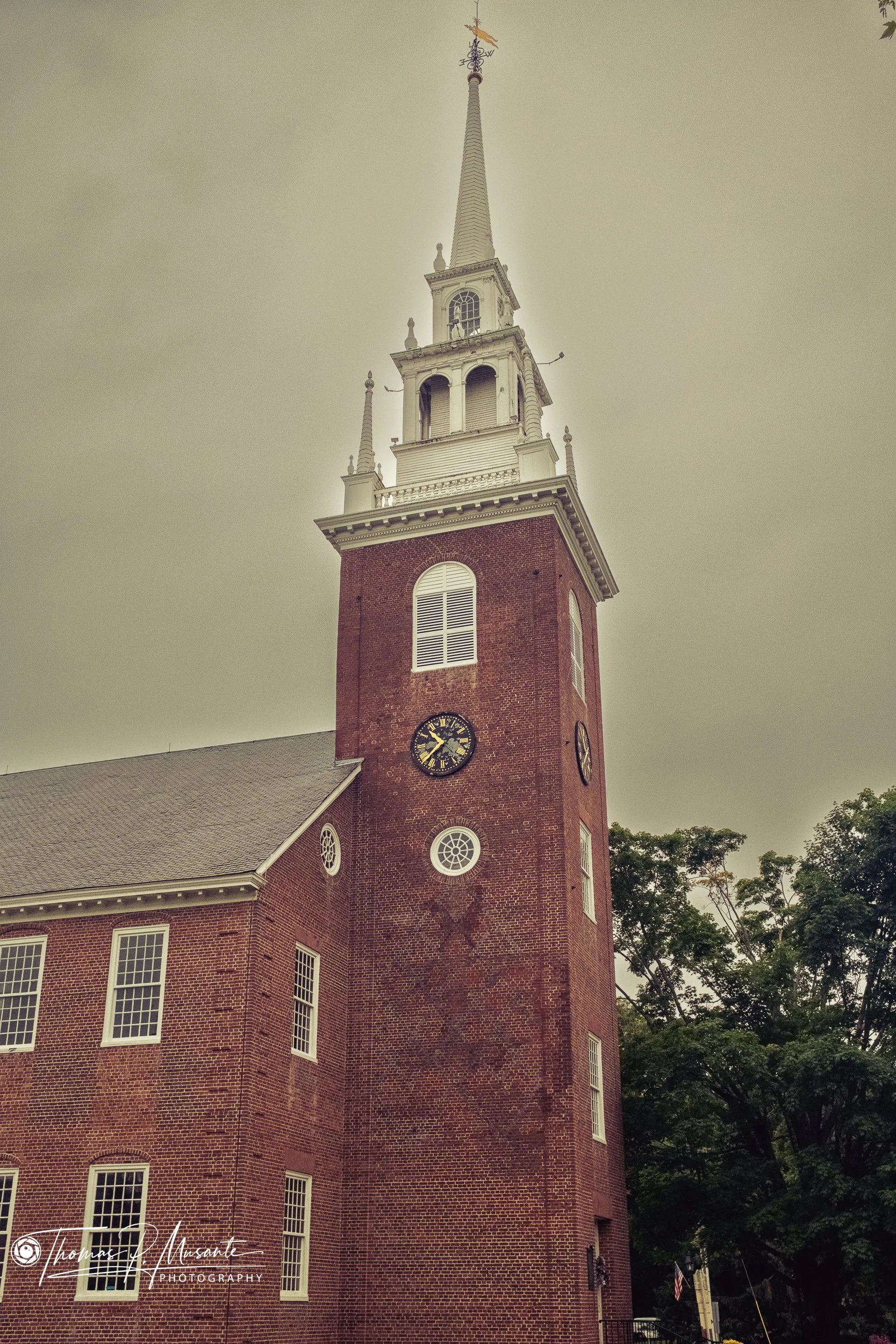
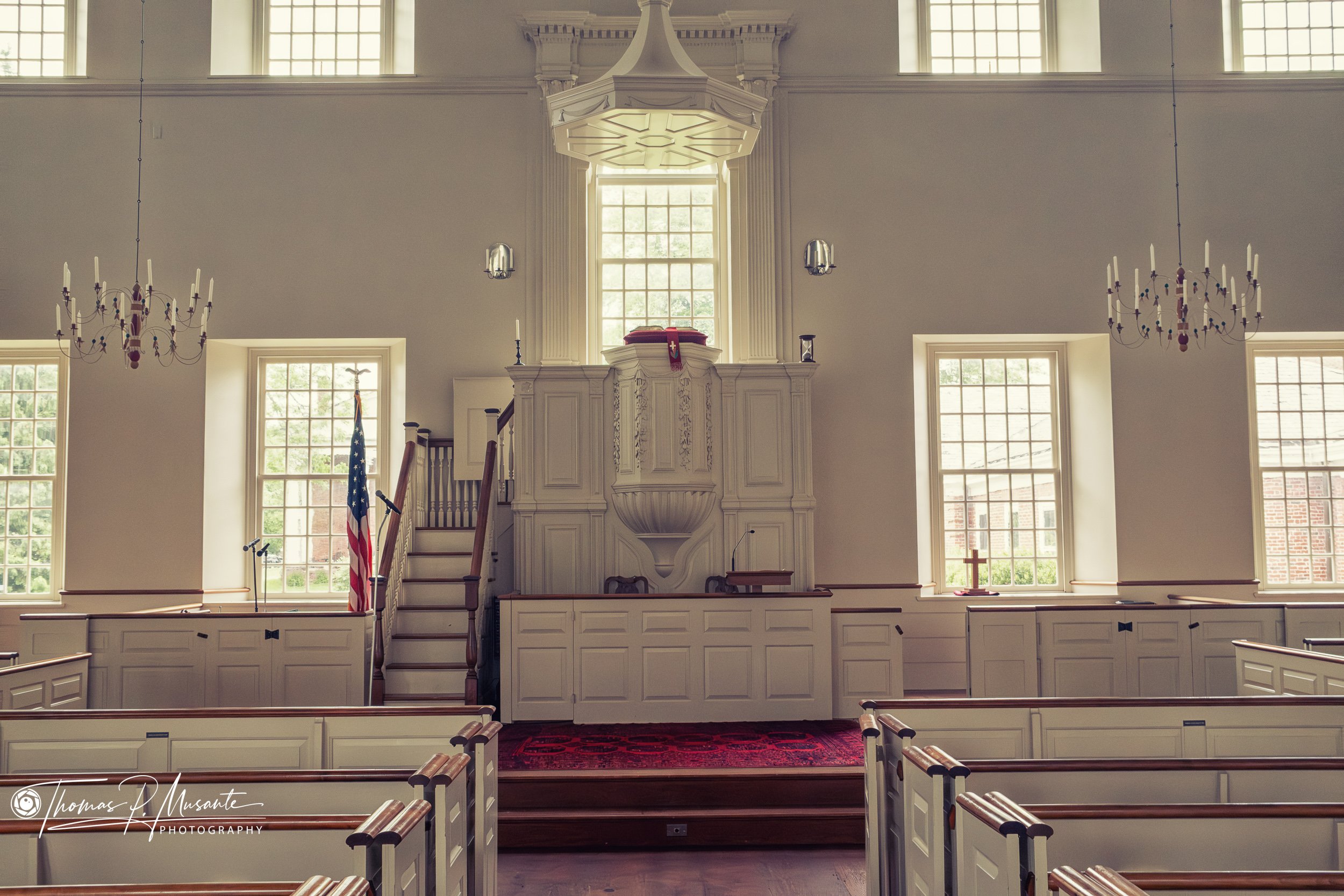
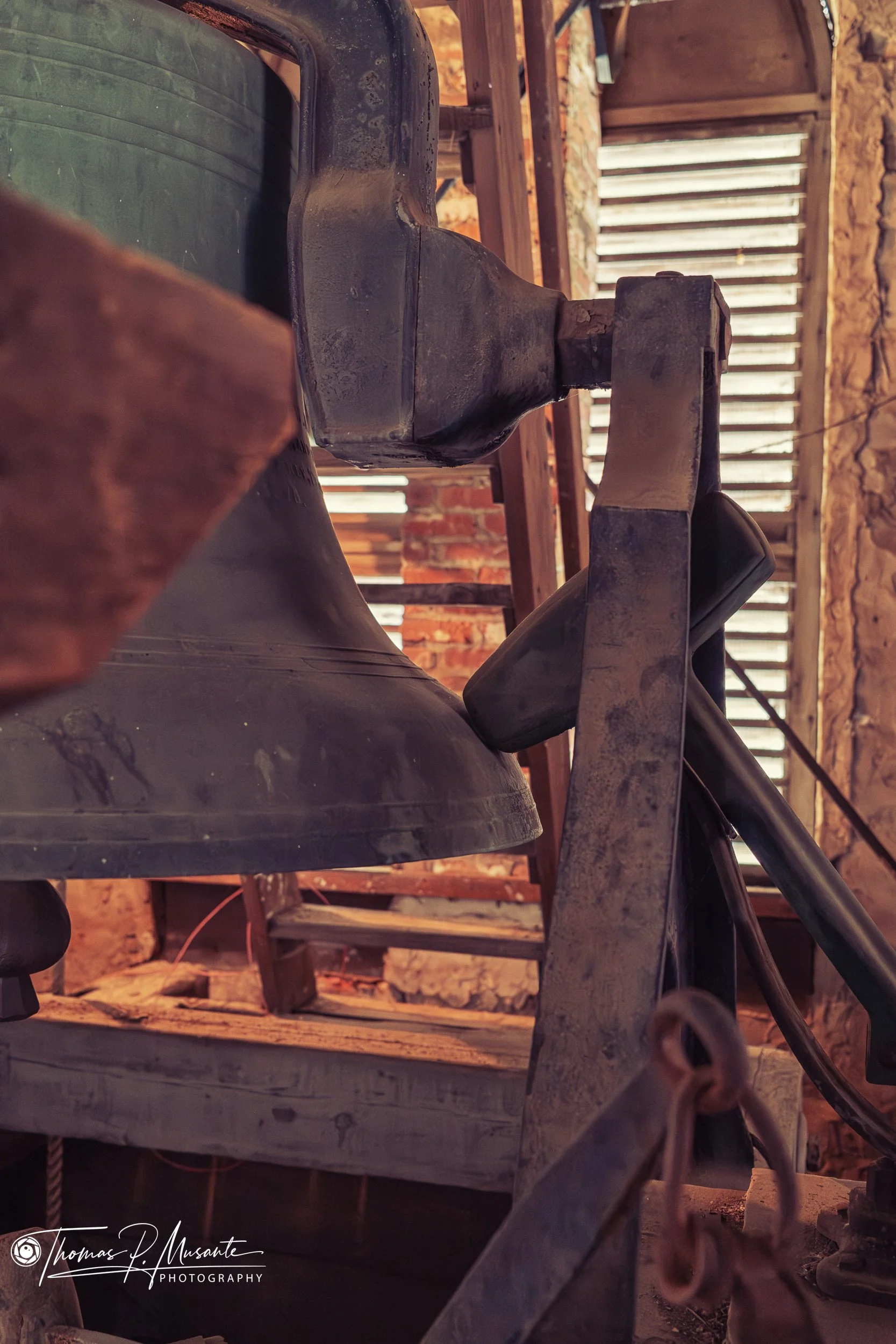
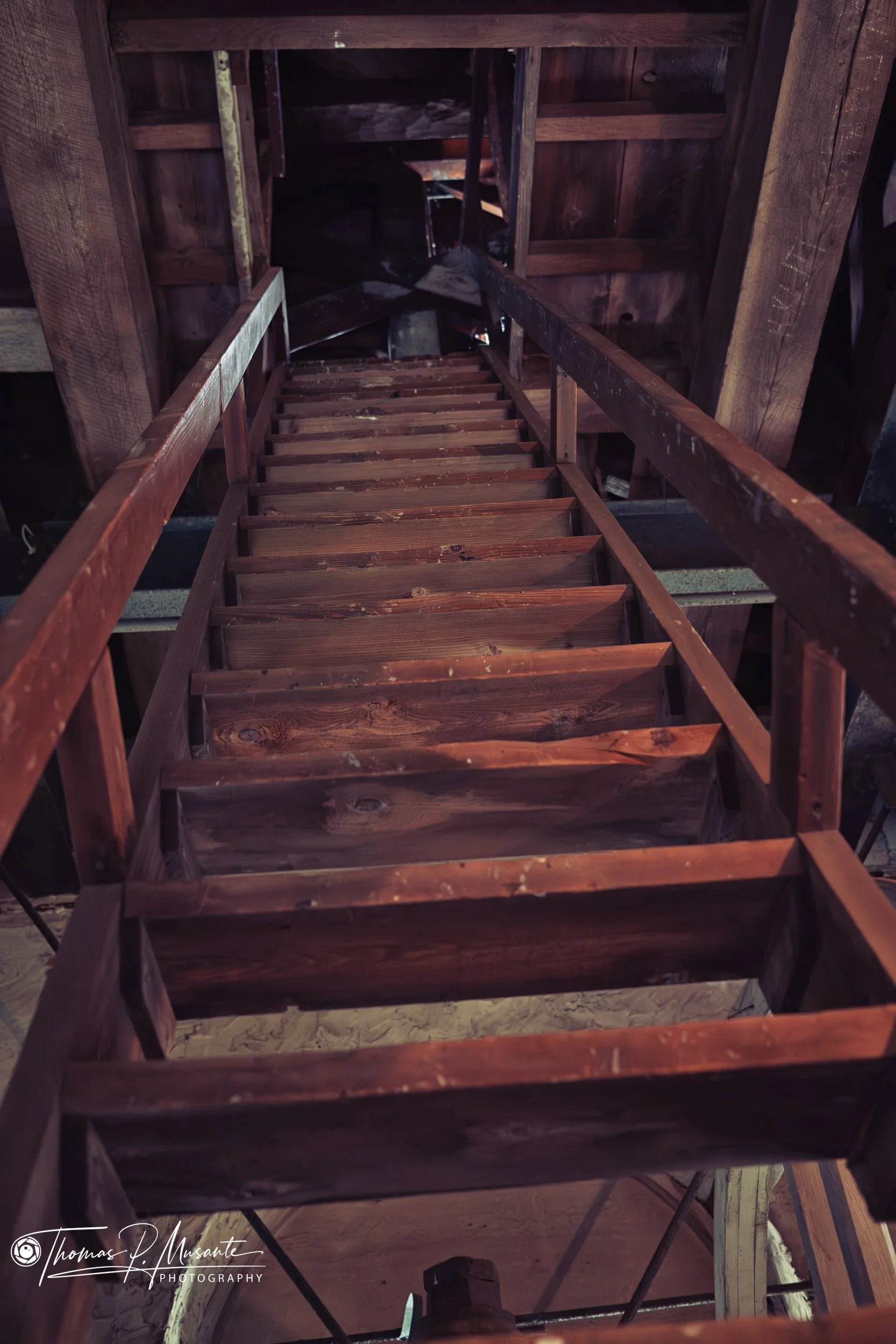
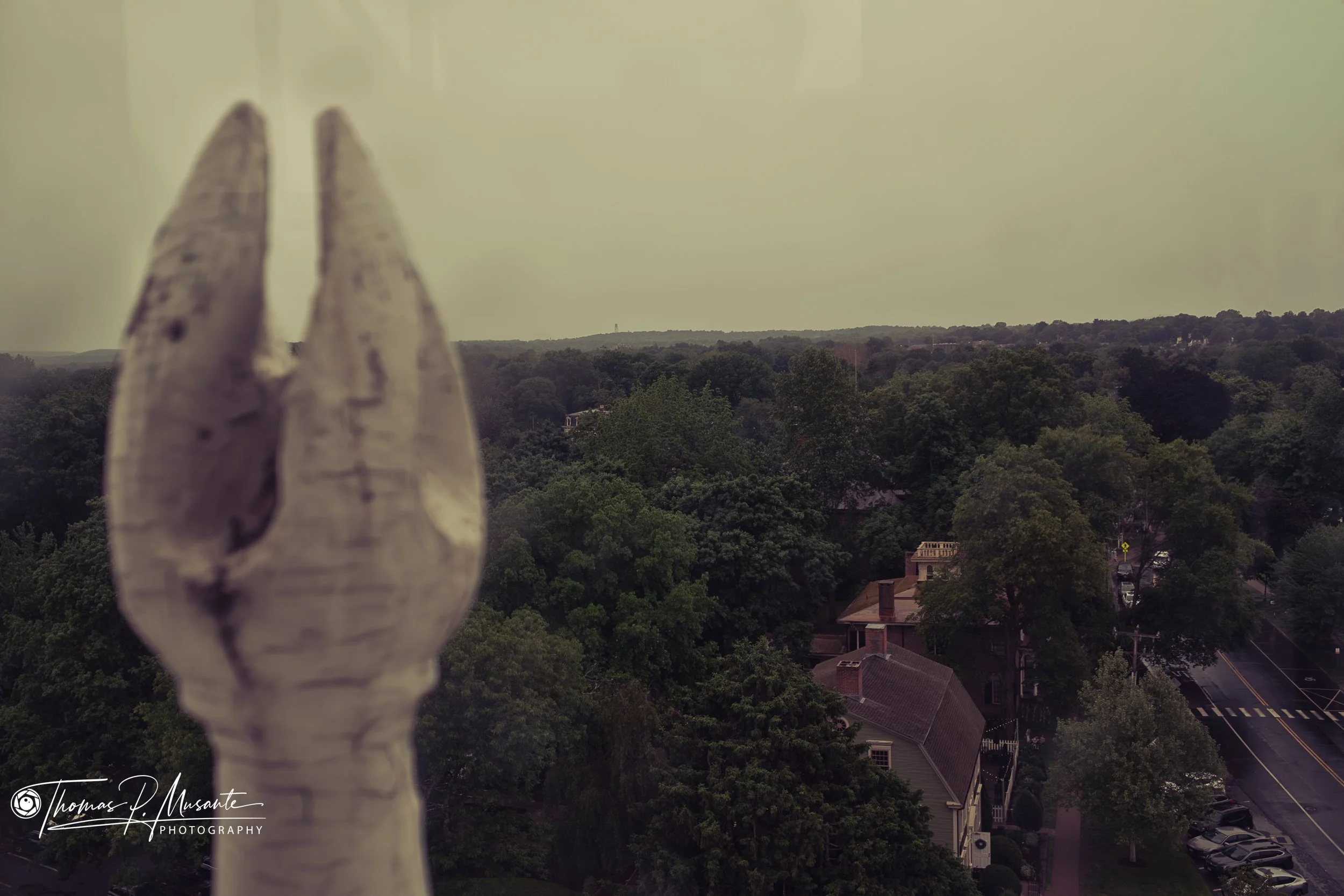
The Meetinghouse: Built for a New Era Between 1761 and 1764, the town constructed its third meetinghouse — the elegant Georgian-style brick First Church of Christ that still anchors Old Wethersfield. Funded largely through local taxes (including onion revenues), the building with its iconic white steeple (modeled after Boston’s Old North Church) served not only as a house of worship but as the physical and spiritual heart of the community. Its construction reflected growing colonial confidence and the Puritan commitment to liberty and self-governance. Climbing its steeple during my recent visit offered a powerful connection providing a vantage point where history unfolded. (Please see the end of this article for how you can help “Save the Steeple”)


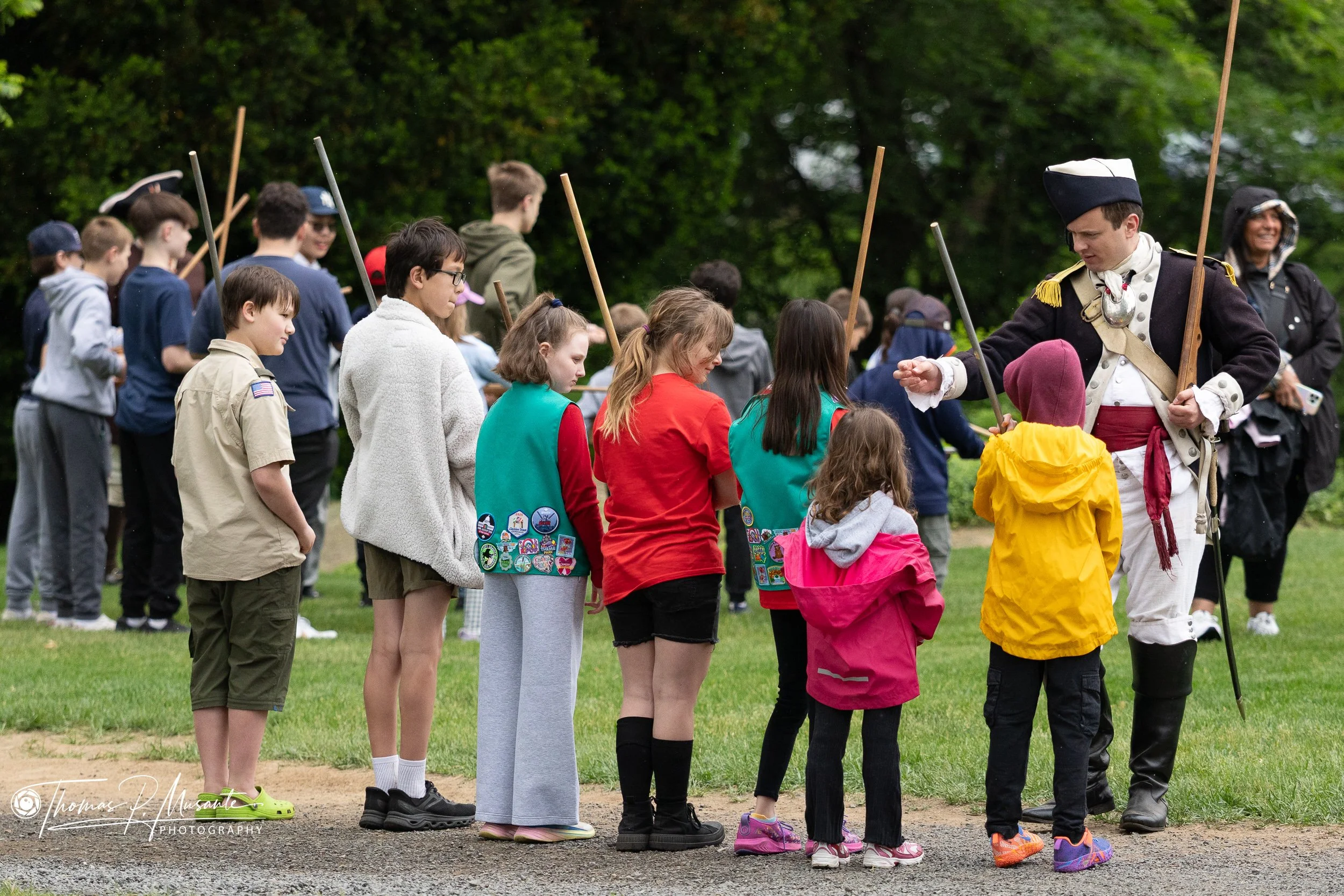
Revolutionary Crossroads During the War for Independence, Wethersfield became a strategic hub. In 1774, John Adams climbed that same church steeple and described the view as “the most grand and beautiful prospect in the world.” In May 1781, General George Washington met with French commander Comte de Rochambeau at the nearby Joseph Webb House to finalize plans for the Yorktown campaign — the decisive maneuver that effectively ended the war. Local militiamen marched early to Lexington, privateers harassed British shipping, and the town’s ordinary citizens supplied both goods and resolve. Standing amid the 5th Connecticut Regiment’s encampment last weekend, surrounded by trades demonstrations, made these events feel immediate rather than distant.
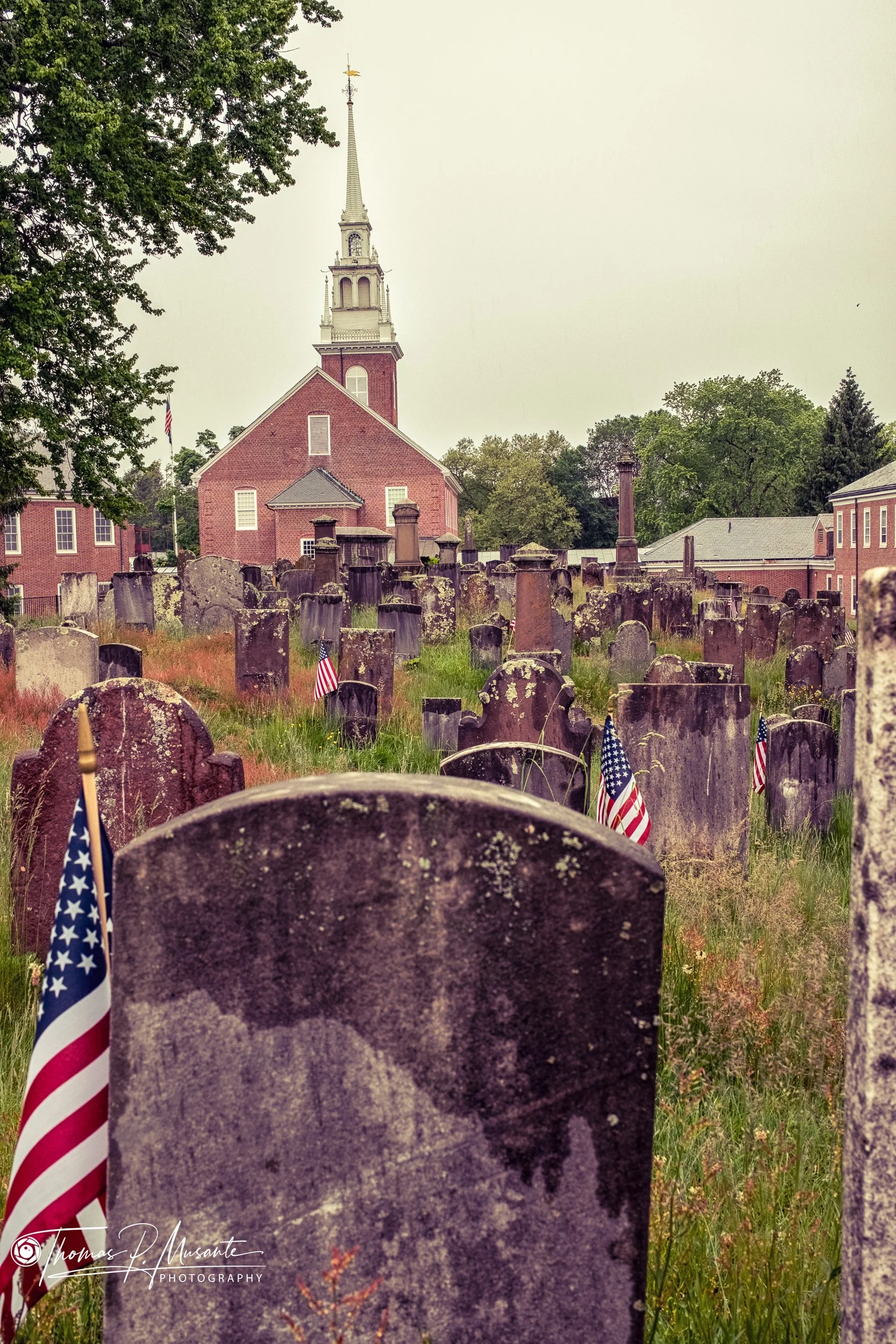
The Ancient Burying Ground Adjacent to the church lies the Ancient Burying Ground (also known as the Old Wethersfield Village Cemetery), established around 1638 on Hungry Hill — one of the oldest burial grounds in Connecticut. Here, weathered stones tell the stories of the town’s earliest settlers, including Leonard Chester (d. 1648), one of the original “Ten Adventurers” and a founder whose memorial is among the earliest carved gravestones in New England. The cemetery holds Revolutionary-era militiamen, families who sustained the war effort, and generations of farmers and artisans whose daily labor built the community.
Legacy and Continuity After the war, Wethersfield returned to its agricultural roots while preserving its historic fabric — a legacy that continues to draw visitors today. The Webb-Deane-Stevens Museum complex and the surviving colonial structures remind us that the American experiment was built not only through battles but through the daily hands of farmers, artisans, merchants, and families. The juxtapositions I captured — period crafts against 21st-century faces, living history flowing from a Memorial Day parade into 1776 camp life — capture exactly this continuity. Two hundred fifty years later, Wethersfield still embodies the enduring spirit of liberty, community, and craftsmanship that defined the Revolution.
If you’re inspired by this history, please consider supporting the First Church of Christ steeple restoration project so this iconic 1761 landmark can continue standing for future generations: www.firstchurch.org/steeple-project.
(Special Thanks to The First Church of Christ’s “Save the Steeple” Committee Chairman Ted Willard for the steeple tour)


Sources:
Wethersfield Historical Society & Webb-Deane-Stevens Museum
First Church of Christ, Wethersfield official records and steeple project documentation
Historic Buildings of Connecticut (First Church of Christ, 1761)
Town of Wethersfield history and Ancient Burying Ground records