Longboats: Unsung Workhorses of the Revolutionary War

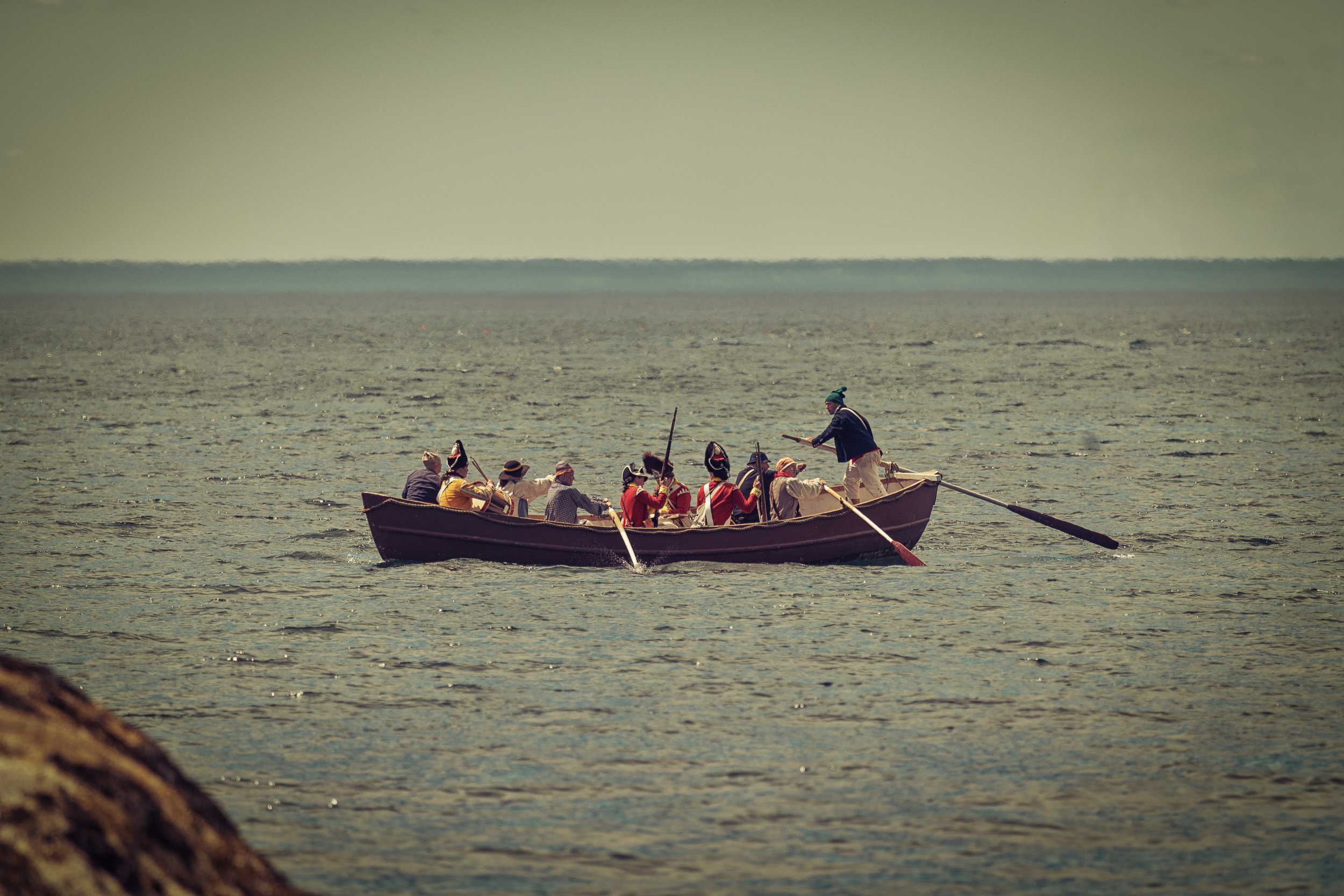
British longboat as part of the Battle of Gloucester Reenactment June 21,2026
See the Battle of Gloucester Reenactment Gallery: Here!
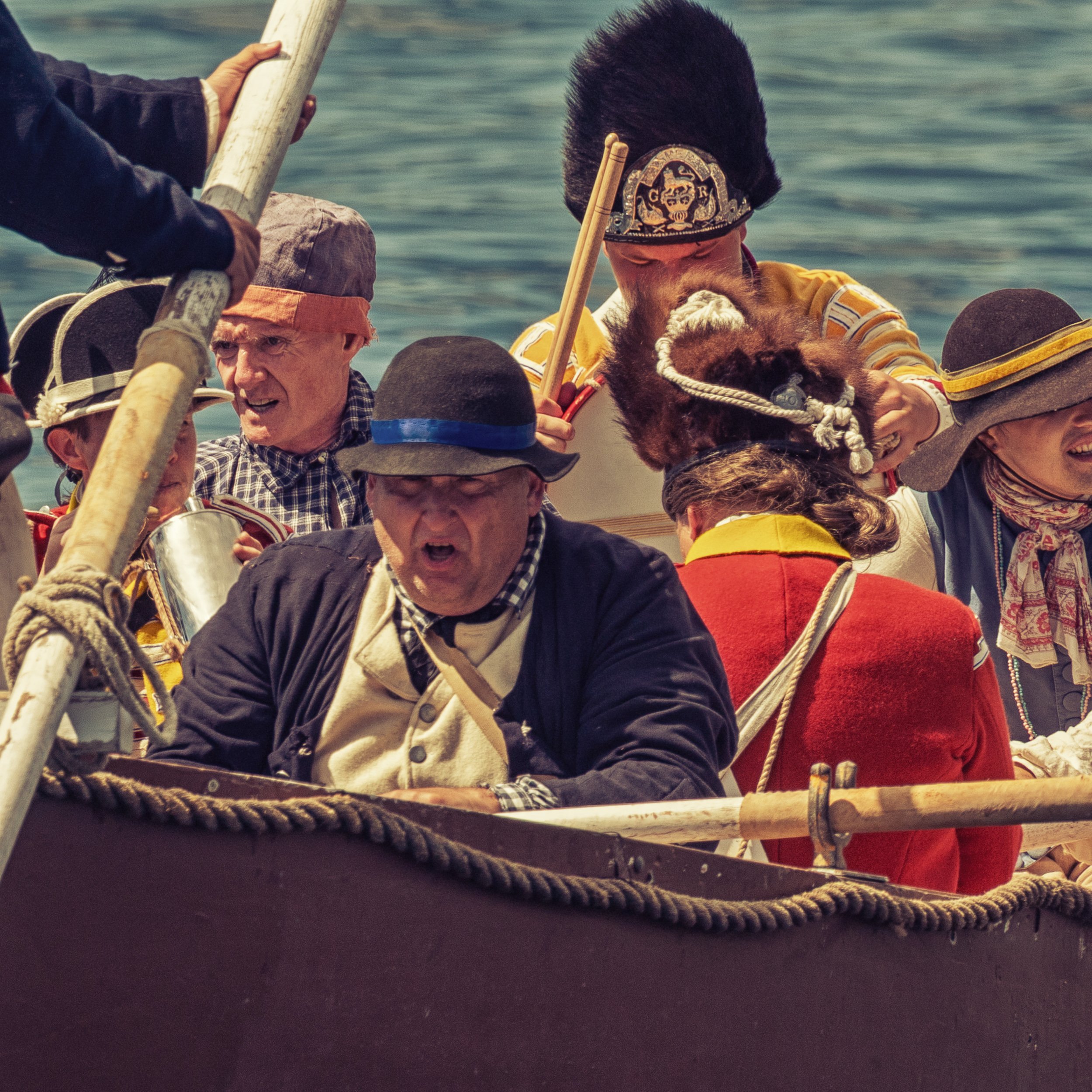
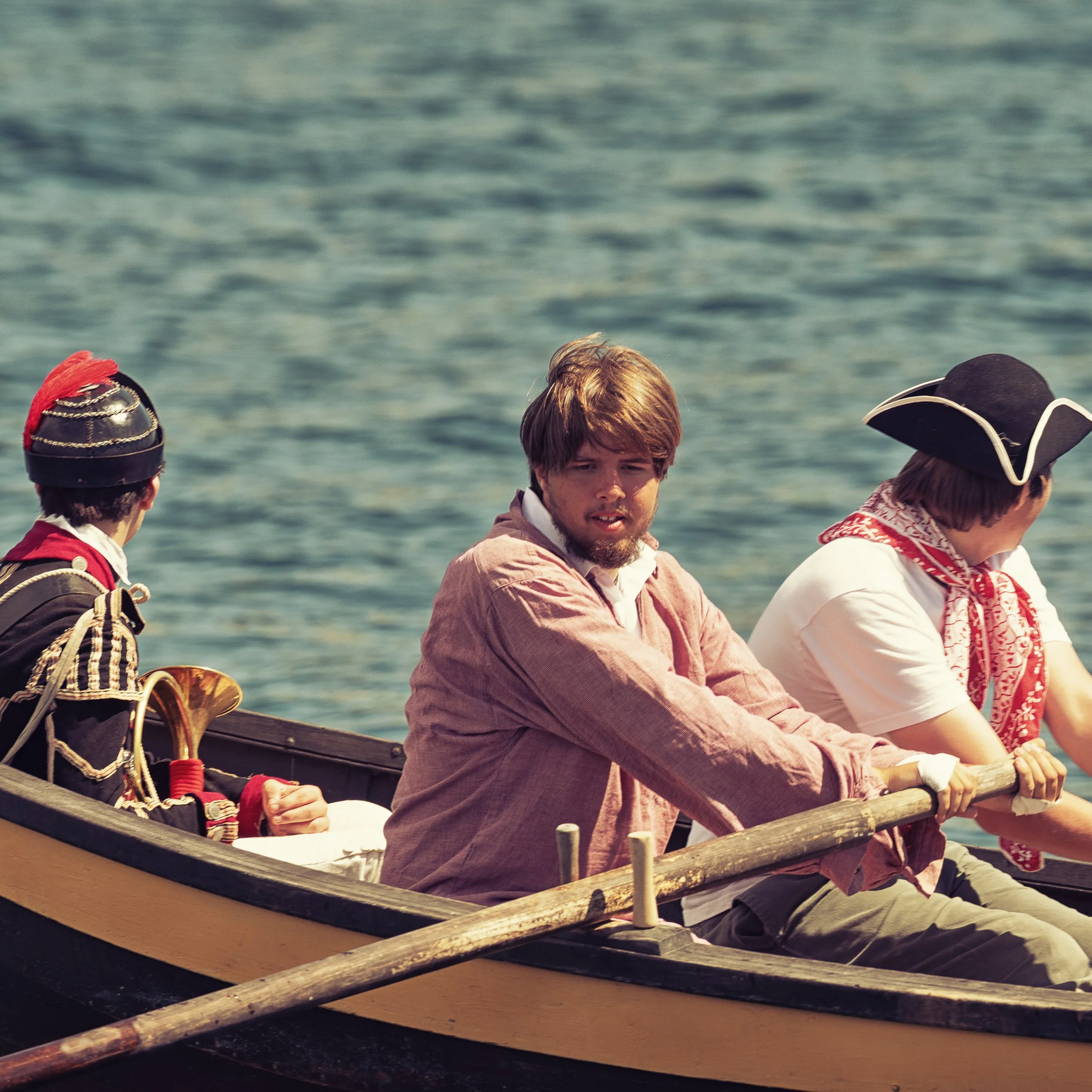
During the recent Gloucester reenactment, the sight of longboats pulling hard toward shore brought the tactics of 1775 vividly to life. Oars cutting through the water, spray flying, and the determined faces of the crews—it was a powerful reminder of how these small craft shaped coastal operations throughout the American Revolution.
The Boat Itself New England whaleboats and naval longboats were perfectly suited to the war’s littoral (coastal and riverine) nature. Typically 20–30 feet long, double-ended for easy launching and beaching in either direction, they were built using the lapstrake (or clinker) technique. In this traditional method, the hull planks overlap each other like shingles on a roof, creating a strong, flexible, and relatively lightweight structure that performs well in surf and can be repaired quickly by local craftsmen.
Core Tactics & Strategies Longboat operations emphasized speed, surprise, local knowledge, and small-unit initiative:
Hit-and-Run Raids — American militias, particularly in the “Whaleboat War” around Long Island Sound (1775–1783), used flotillas to cross at night, strike British outposts or supply depots, and withdraw before reinforcements arrived. These raids disrupted enemy logistics and supported intelligence efforts.
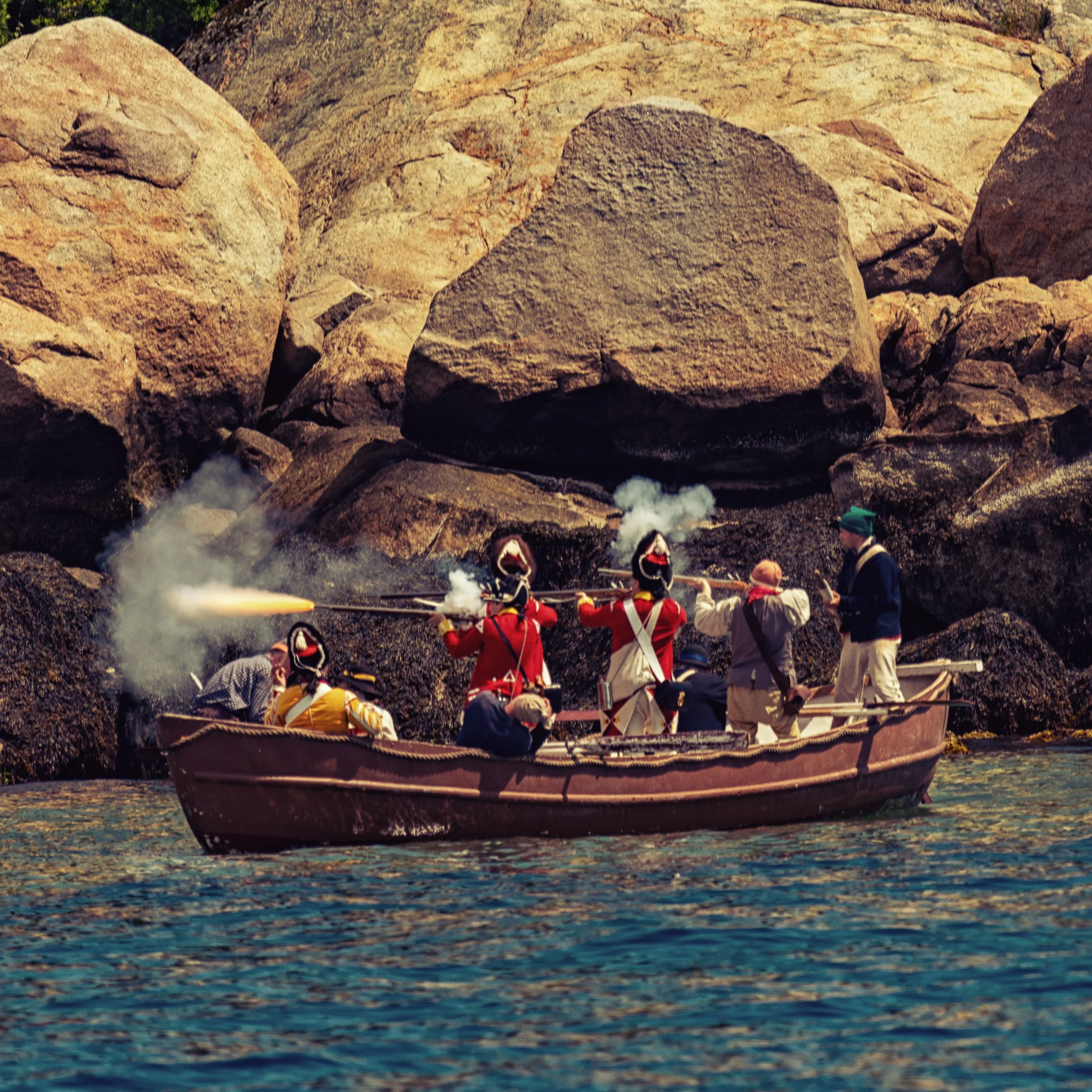
Amphibious Landings — Troops could be inserted rapidly onto beaches or riverbanks. The 1776 Continental Marine raid on Nassau in the Bahamas stands out as the first major amphibious assault by what would become the U.S. Marine Corps—boats delivered Marines and sailors to seize critical gunpowder and stores.
Boarding & Harassment — Crews could approach anchored ships under cover of darkness for cutting-out operations or to board prizes.
Combined Arms — Longboats often worked in concert with schooners, privateers, or larger warships providing covering fire, then transitioned crews into infantry roles on shore. Success depended on coordination, tide awareness, and rapid extraction.
Both sides employed these tactics, though Americans excelled at irregular, asymmetric use against a superior naval power.
Gloucester as an Early Example One of the war’s first demonstrations occurred right on Cape Ann in August 1775. When HMS Falcon sent landing parties in whaleboats to seize a grounded American schooner (and potentially raid the town), Gloucester’s fishermen, farmers, and militia turned the shallow waters into a trap. The engagement showed how vulnerable even the Royal Navy could be when facing determined local defenders in familiar coastal terrain.
Through the Street Photography Lens At living-history events like Gloucester, the decisive moments are unforgettable: the physical strain of rowing, the tension as boats ground on the beach, the transition from water to combat, and the human relief afterward. Legacy Longboat tactics helped level the playing field against the world’s most powerful navy. They foreshadowed modern amphibious doctrine and underscored the importance of coastal defense, local resolve, and adaptable citizen-soldiers. In the Rev 250 year, they remind us that the Revolution was won not only on famous battlefields but in harbors, coves, and rivers by ordinary Americans.
What’s Next? I’ll continue chasing these stories at upcoming 250th events across the Northeast. If you’re a reenactor with longboat experience, have family lore from the Whaleboat War era, or want to share thoughts, please comment below or reach out. View the full Gloucester gallery and follow the project as we document the living Revolution.
Sources & Further Reading
Battle of Gloucester historical accounts (American Battlefield Trust and primary naval records).
Whaleboat operations in the Revolution, including the Long Island Sound campaigns.
Continental Marine actions, Nassau 1776.
Follow the Project #Rev250 #AmericanRevolution #StreetPhotography #LivingHistory #GloucesterMA
All photographs © 2026 Tom Musante, tmusantephotography.com/rev250.