Not Planning is Planning for Failure
See the accompanying photo gallery
Lexington Massachusetts - April 2026
When I first started shaping this Rev 250 Street Photography Project while watching Ken Burns’ The American Revolution on PBS, I was struck by how meticulously every scene had been planned and researched. That level of preparation translated directly into the power of the final production.
I knew my own work documenting the 250th anniversary of the American Revolution would only reach its potential if I approached it the same way — with deliberate, iterative research and logistics from the very beginning.
I leaned on familiar internet tools and, crucially, on Grok to rapidly pull together schedules, historical context, reenactor contacts, and event details for Lexington Patriots’ Day 2026. By Friday afternoon in my hotel room, as I reviewed the printed maps, permission letters, gear checklist, and timelines spread across the desk, I felt a quiet confidence.
Of course, as the military saying goes, “No plan survives first contact with the enemy.”
Fortunately, the only real obstacle was my poor choice of walking shoes for a full day on my feet. Thanks to solid upfront work — securing VIP access for Friday night’s Paul Revere reenactment and media credentials from the Lexington Minute Men (thank you, Captain Cole!) — everything felt familiar when I stepped onto Lexington Battle Green. The layout, Buckman’s Tavern, the atmosphere… it all clicked.
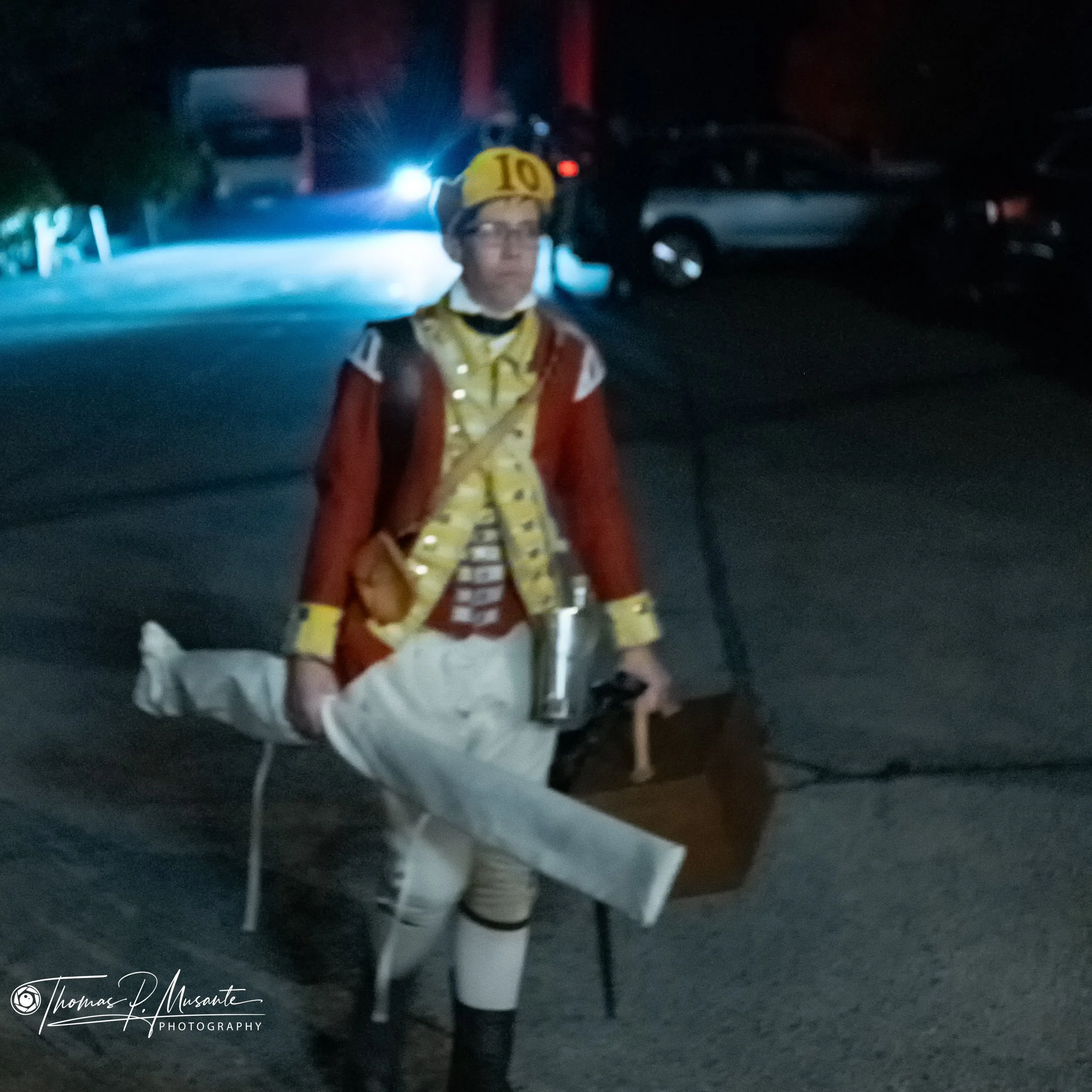
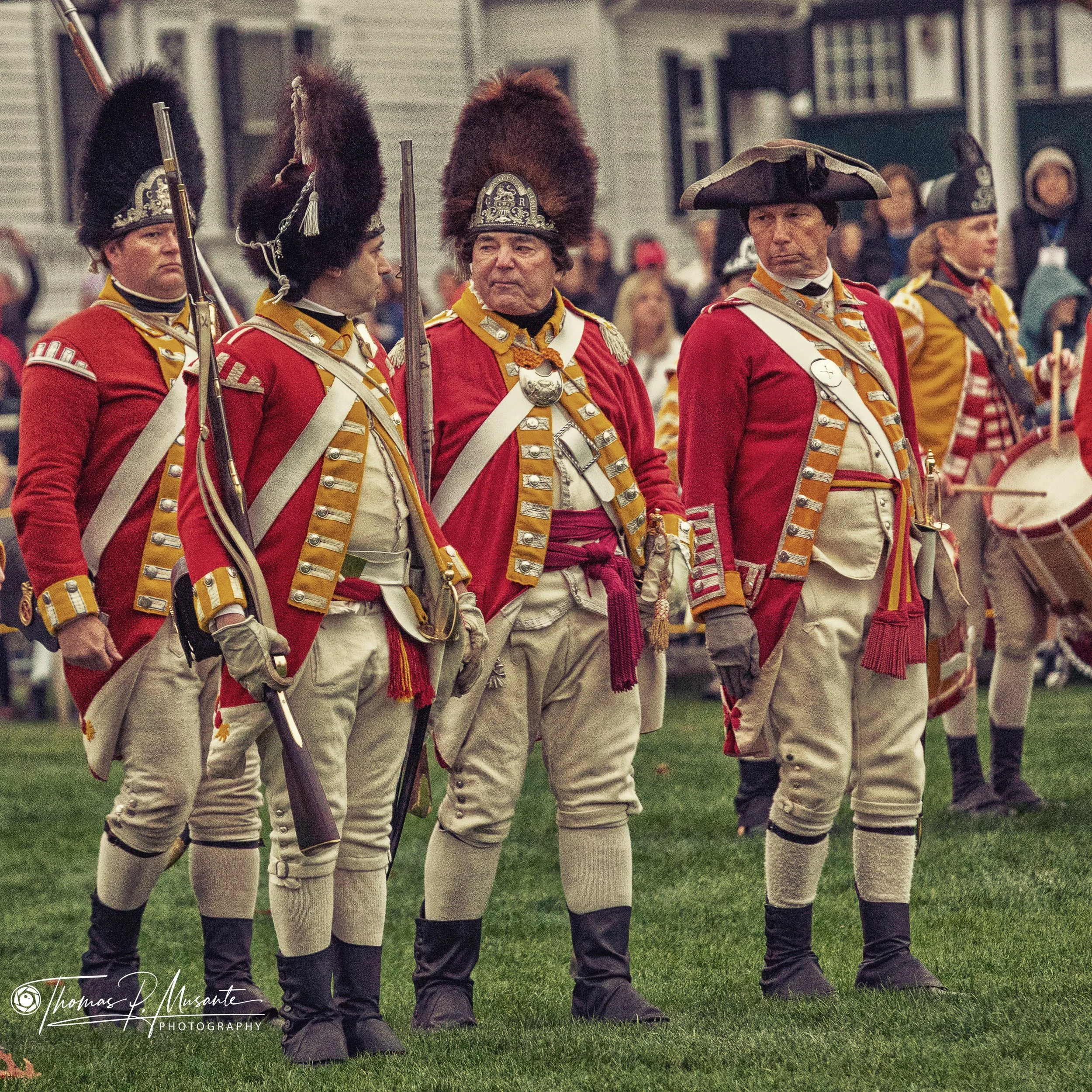
Waking at 2:30 a.m. to grab close-in parking, I walked straight into the British “Regulars” staging area and began shooting earlier than expected. Because the plan was in place, I was ready.
Project Vision & Mission Statement
That quiet confidence I felt at the hotel desk wasn’t just about logistics — it came from knowing exactly why I was doing this.
The Rev 250 Street Photography Project is my commitment to documenting the 250th anniversary of the American Revolution through candid, decisive-moment street photography. Rather than staged reenactment scenes or polished battlefield tableaux, I’m capturing the living, breathing spirit of 1775 as it is embodied by ordinary 21st-century Americans — fathers, mothers, students, and retirees — who choose to stand on cold Battle Greens in wool coats and leather shoes.
My Commander’s Intent is straightforward: create a cohesive, narrative-driven portfolio that reveals the human continuity between past and present — the pre-dawn tension, quiet camaraderie, visible fatigue, subtle modern intrusions, and the deep personal dedication that still carries 1776’s ideals of liberty, community, and defiance.
These photographs will not romanticize history. They will show it as it truly lives today: raw, imperfect, and profoundly human.
Pre-Production: The Planning Phase
This has been a truly iterative journey. What began in November as a simple spark — “It would be cool to photograph an event with some musket fire” — quickly evolved into a deeper commitment: documenting both the history of April 19, 1775, and the living historians who keep it alive today for the America 250 commemorations. I realized early on that producing work I could be proud of would require serious, sustained effort.
As an introvert, the hardest part was acting like an extrovert: quieting the usual voices in my head and reaching out to venues, reenactor groups, and subject-matter experts. The response from the community has been tremendous. I’ve kept every contact respectful, always offering to share images with the organizations and participants who make these events possible.
By the time I sat at that hotel desk Friday afternoon, the plan was solid. I had secured media credentials from the Lexington Minute Men and VIP access for Friday night’s Paul Revere reenactment. Gear was sorted: my Fujifilm X-T4 paired with a compact 25mm lens for intimate street work, and the Canon R6 Mark III with the 70-200mm for reach during the action. Both cameras performed beautifully in the pre-dawn low light thanks to strong in-body stabilization and clean high-ISO files.
Saturday’s schedule was locked and loaded: early arrival and media check-in by 4 a.m., pre-event crowd and reenactor interactions, followed by the main reenactment on Lexington Battle Green from 5:15 to 6:30 a.m. Afterward, both Colonial militia and British Regulars returned to the Green for public interactions — answering questions and posing for photos, a wonderful Lexington tradition. When caffeine called, I headed to the Boy Scouts’ pancake breakfast, refueled, and then moved to Tower Park for the second reenactment: a running battle across open ground with musket volleys and cannon fire.
The Lexington Minute Men live by the saying “We know their names.” Each participant deeply researches the real individual they portray from that fateful day 251 years ago. We’ll see a powerful example of that commitment in Thursday’s post about Isaac Hastings, one of the militiamen who stood on the Green — and the modern reenactor who brings him back to life.
What I Expected vs. Early Reality
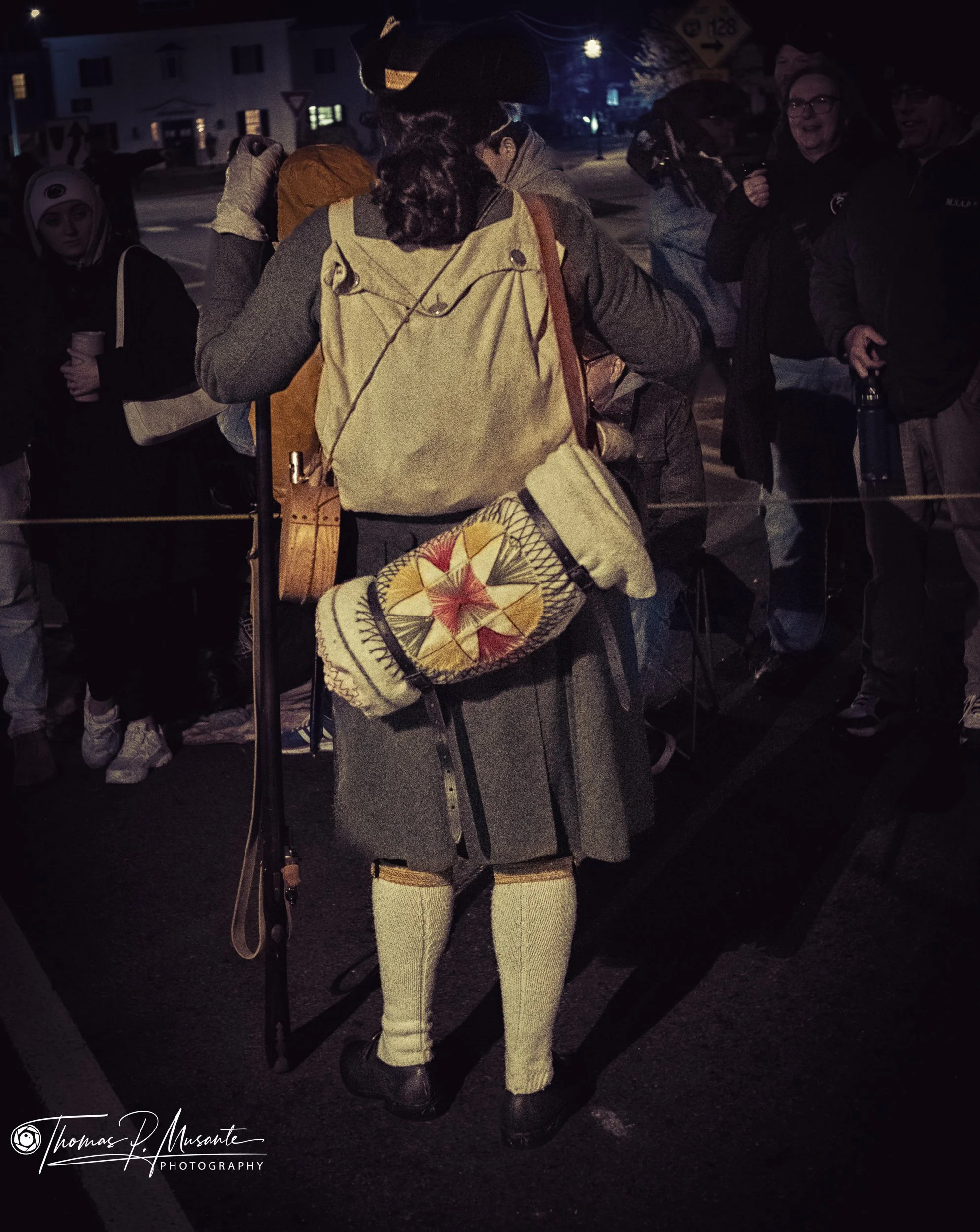
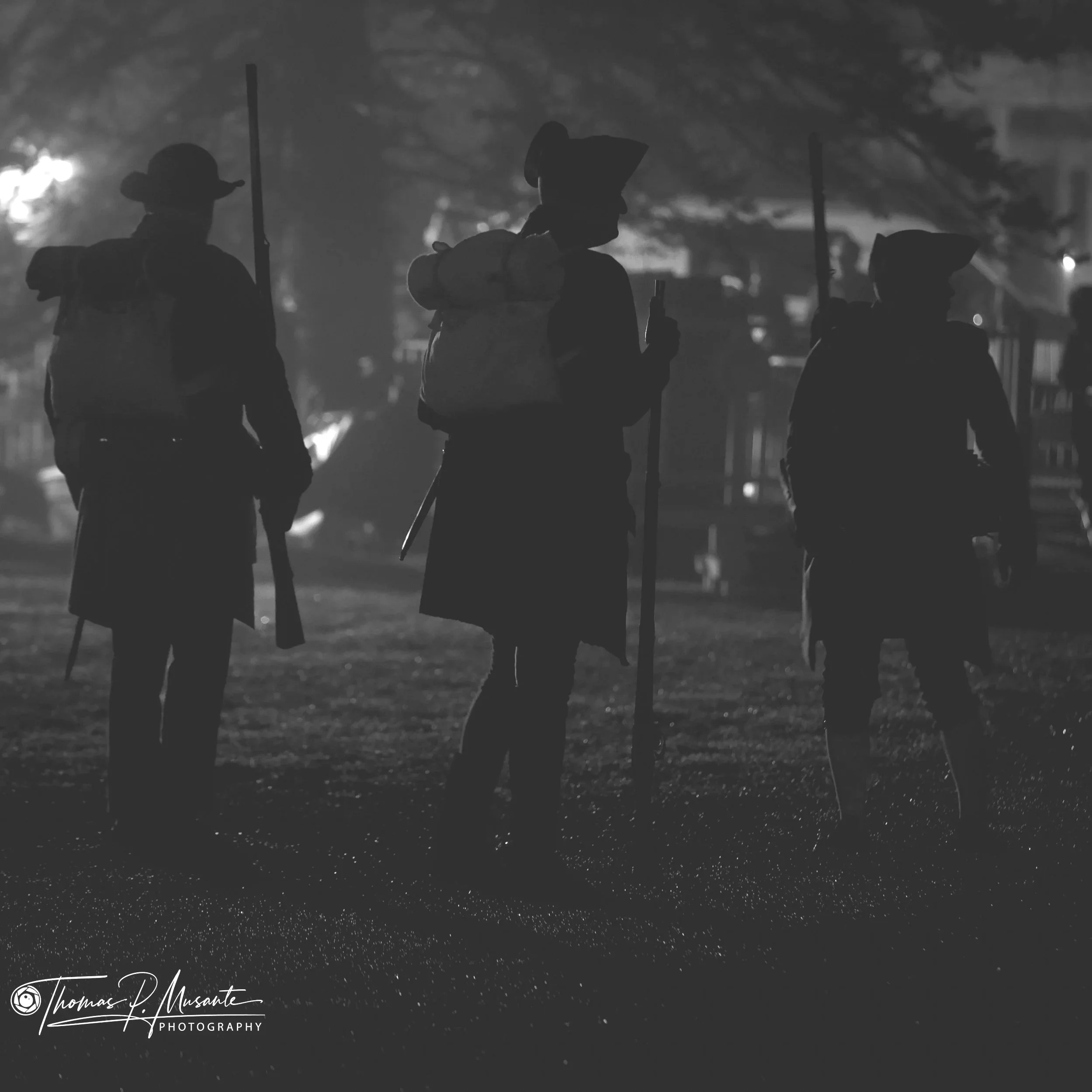
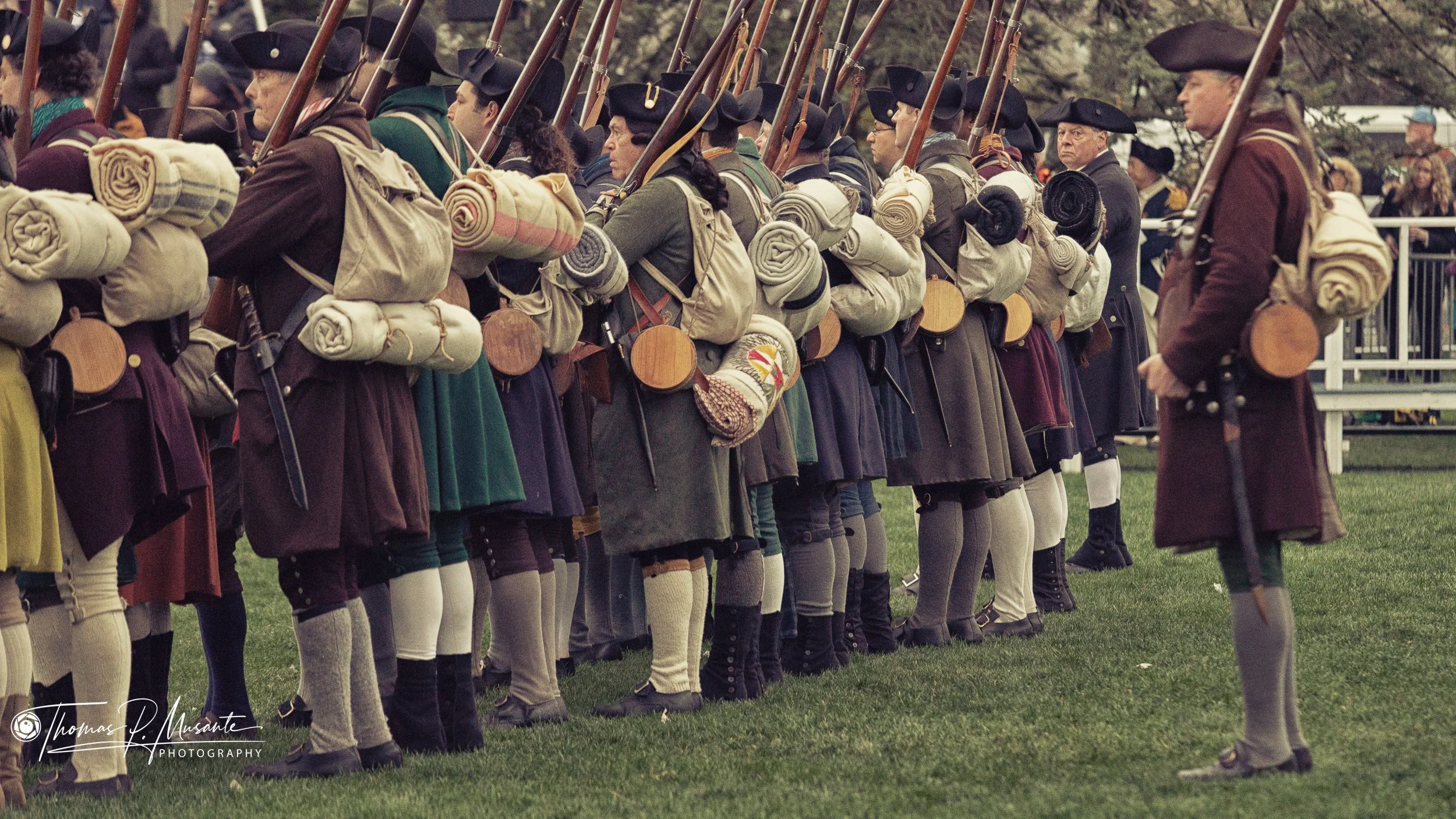
I expected the Battle Green to feel crowded and chaotic at 5 a.m., but I didn’t anticipate how intimate the moments would become once I stopped thinking about “the big picture” and started hunting decisive moments the way street photography demands.
Having done the legwork upfront, the media access gave me a front-row seat for the Lexington Patriots’ Day 2026 reenactment and a perspective few in the crowd behind could have. I also really enjoyed the openness and camaraderie of the other photographers on site.
What surprised me most was the quiet intensity in the faces. Under tricorn hats and behind musket smoke, you could see real focus, real fatigue, and real pride. The pre-dawn light was colder and bluer than I imagined, but it carved out beautiful, moody frames. Modern intrusions slipped in naturally, and they added layers without me forcing anything.
Early proofs already show several images I’m excited about: the tension before the first volley, small gestures of camaraderie between reenactors, and the human exhaustion after the smoke cleared. These are exactly the kinds of candid, unposed frames I set out to capture in this Rev 250 project.
Why This Matters for the Full 2026 Project
Lexington was the perfect launchpad for the Rev 250 Street Photography Project. This single weekend proved that the combination of respectful planning, discreet street gear, and a clear Commander’s Intent can produce meaningful work even in the chaos of a major public Revolutionary War reenactment.
The 250th anniversary of the American Revolution (America 250) is only just beginning. Over the coming months I’ll be applying the same disciplined approach to larger events — Bunker Hill in June, Ticonderoga-area events on the 4th of July, and other high-density gatherings across the East Coast. Each shoot will add new layers: different light, different crowds, different human stories.
Thank you to Captain Stephen Cole and the entire Lexington Minute Men for the warm welcome and professional access. Your dedication keeps 1775 alive for all of us.
If you liked this post, check out:
Where the Story Begins — Redcoats and Rebels at Old Sturbridge Village
The Living Revolution: Community and Continuity in Reenactment Photography
Sources:
Ken Burns, Sarah Botstein, and David Schmidt, The American Revolution, PBS documentary series, 2025
Lexington Minute Men, Inc. — event schedule, media credentials, and Captain Stephen Cole correspondence
America250 official event calendar