The Cannonball and the Tavern: The Story of Keeler Tavern
The land and original structure that became the Keeler Tavern trace their roots to the early settlement of Ridgefield, Connecticut. In 1708 Chief Catoonah of the Ramapough tribe sold 20,000 acres of land to families from Norwalk; the parcel was divided into 7.5-acre lots along the future Main Street. Lot #2 went to Benjamin Hoyt, who built a modest one-room farmhouse there in 1713. By the 1750s the home had expanded into a substantial two-and-a-half-story dwelling with four fireplaces and wide-plank chestnut floors. In 1769 Hoyt’s grandson Timothy Keeler purchased the property. Three years later, in 1772, Timothy and his wife Esther obtained a business permit and opened T. Keeler’s Inn—a tavern and lodging stop on the busy Hartford-to-New York City postal and stagecoach route. They renovated the building to serve travelers, while it quietly became a local gathering place.
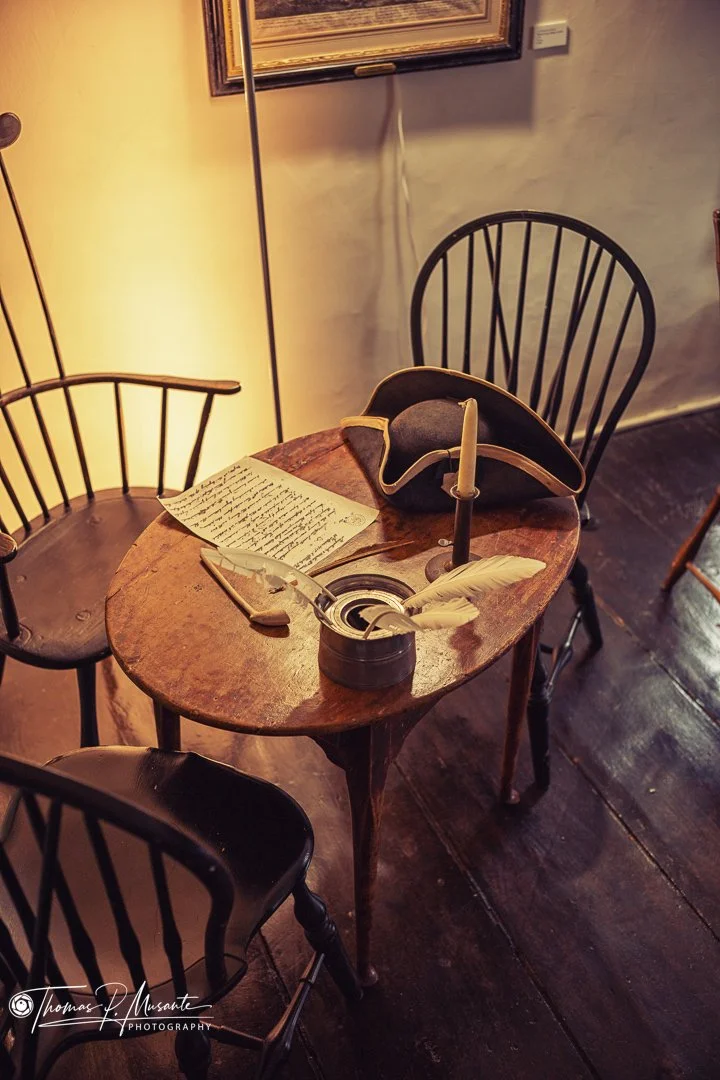

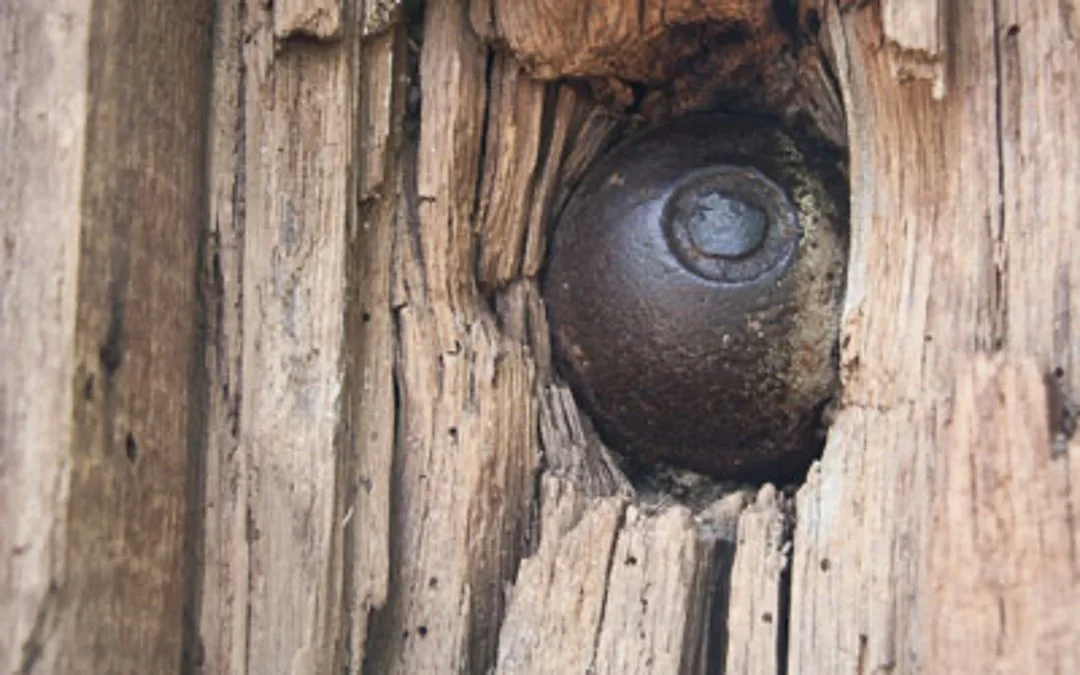
The Revolutionary period thrust the modest tavern directly into the conflict. As tensions with Britain grew, the inn served as a Patriot hub: secret meetings were held upstairs and, according to tradition, musket balls were produced in the basement. On April 27, 1777—during the Battle of Ridgefield, Connecticut’s only inland battle of the war—British forces under General William Tryon retreated south down Main Street after raiding Continental supplies in Danbury. American militia led in part by Generals Benedict Arnold and Gold Selleck Silliman had briefly stalled them, but the outnumbered Patriots were overwhelmed. As the British passed the known patriot tavern, they deliberately fired a cannonball into the northeast corner post; the ball remains lodged there to this day. They also attempted to burn the building, but a Loyalist neighbor extinguished the flames.
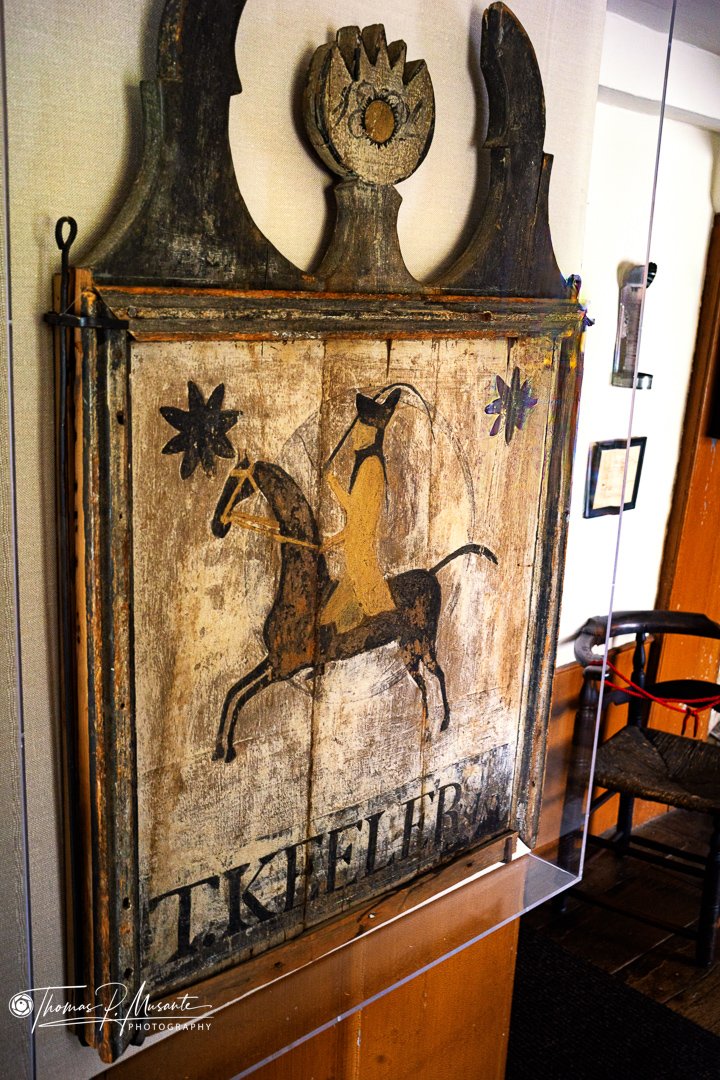
The Keeler family embodied the tavern’s patriotic spirit across generations. Timothy Keeler (1721–1799) and Esther Kellogg (1748–1818) married in 1770 and raised a large family while running the prosperous inn and general store. Timothy served as Ridgefield’s first postmaster, actively supported the Revolutionary cause (including boycotting British goods), and even repainted the tavern’s original King George III sign with a portrait of himself on horseback. The original sign is on display in the tavern and can be seen above. After Timothy’s death the property passed to their son William, who continued operating the inn with his sister Anna.
Following the Revolution the tavern remained a local landmark and continued under Keeler family ownership well into the 19th century, later operating as W. Keeler’s Hotel and the Resseguie Hotel. It stayed in the extended family until 1907, when renowned architect Cass Gilbert purchased the property and converted it into a private summer home, adding elegant gardens and outbuildings. In 1965 the newly formed Keeler Tavern Preservation Society acquired the site to save it from development; it opened to the public as the Keeler Tavern Museum & History Center the following year. Today the British cannonball still embedded in its wall offers visitors a tangible link to the sacrifices of 1776 and the living legacy we’re documenting through our 250th-anniversary street photography project.
Planning for the 2027 250th anniversary of the battle of Ridgefield is currently underway. It should be quite the event!
Sources
Keeler Tavern Museum & History Center official site (keelertavernmuseum.org) – Campus History, History of Keeler Tavern, Battle of Ridgefield pages.
Connecticut Humanities / CTHistory.org – “Ridgefield’s Keeler Tavern.”
Wikipedia / National Register of Historic Places documentation for Keeler Tavern.
Additional corroboration: Ridgefield Historical Society records and contemporary accounts of the Battle of Ridgefield.
Cannon ball photo is from the Tavern’s website.