Tobacco in Everyday Life
Read more about the history of tobacco in America
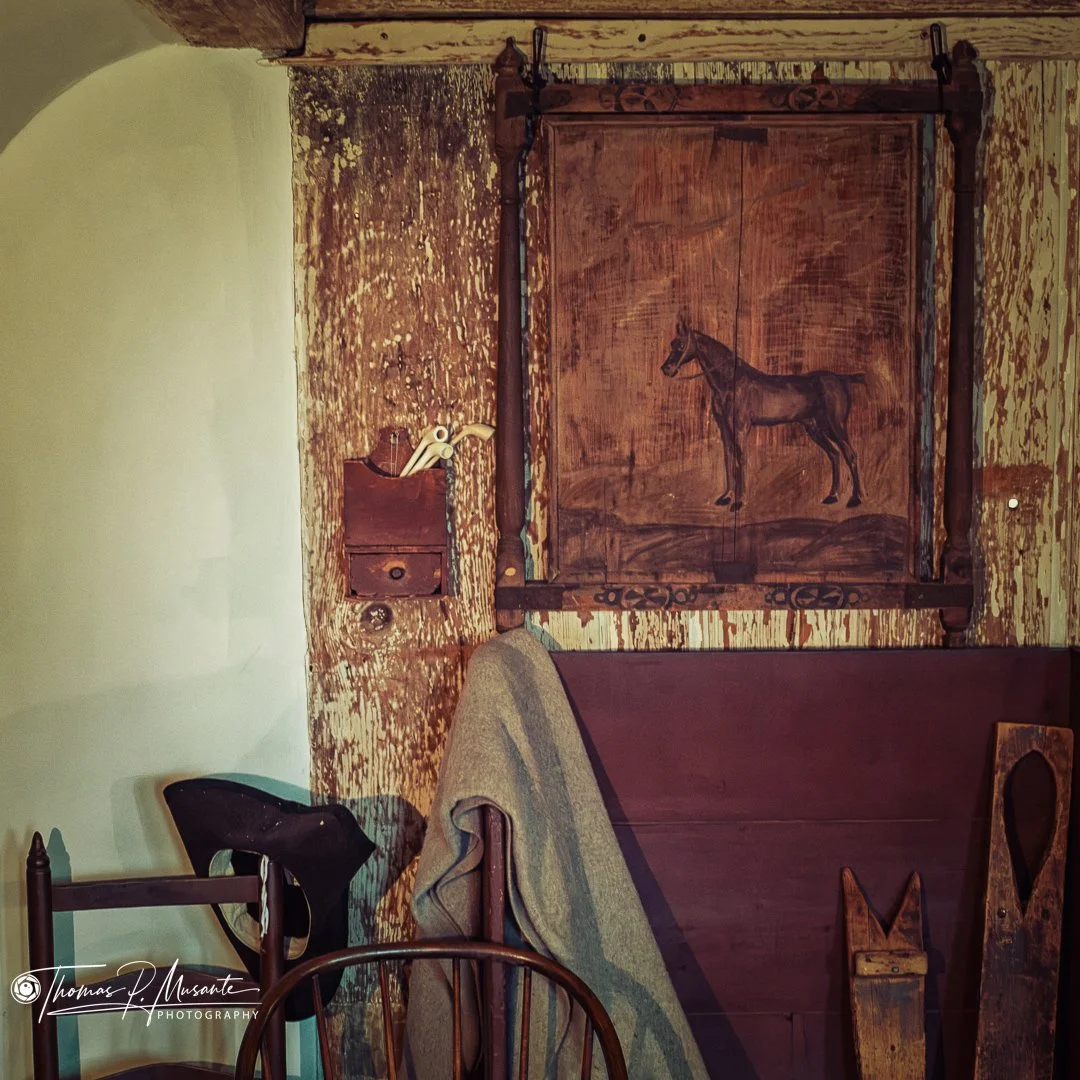

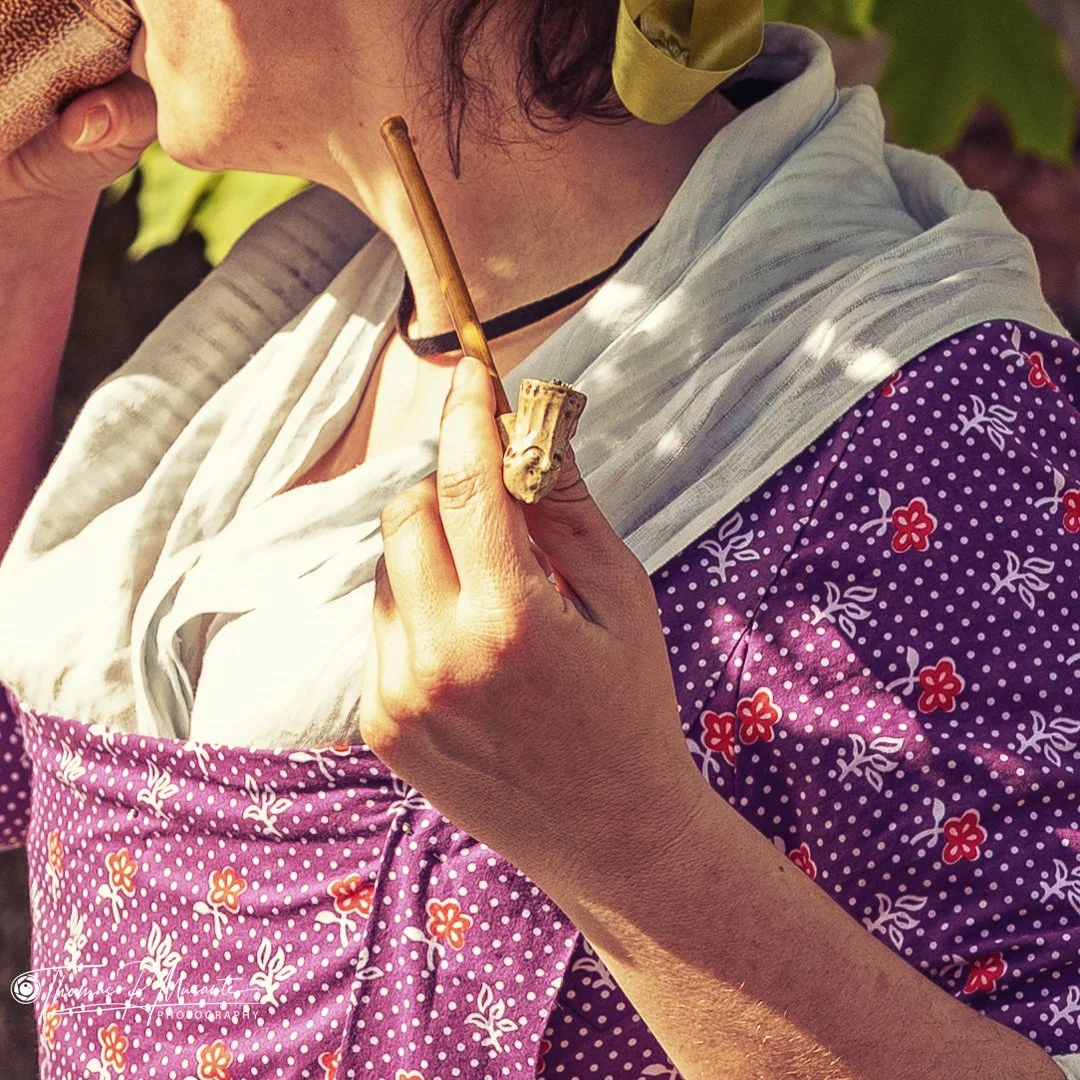
In the quiet corners of encampments and historic taverns, a simple clay pipe often reveals the everyday rhythms of life during the Revolutionary era. As part of my Rev250 street photography project, these unposed moments help document the full human experience behind the uniforms and battles.
Tavern Pipes & Communal Ritual
Taverns like Buckman’s in Lexington—where Captain Parker’s militia gathered in the early hours of April 19, 1775—served as vital hubs for conversation, news, and respite. Long-stemmed “tavern pipes” frequently hung on walls or rested on tables, available for patrons. These inexpensive, fragile clay pipes facilitated sharing among soldiers, travelers, and locals.
The Economy of Tobacco
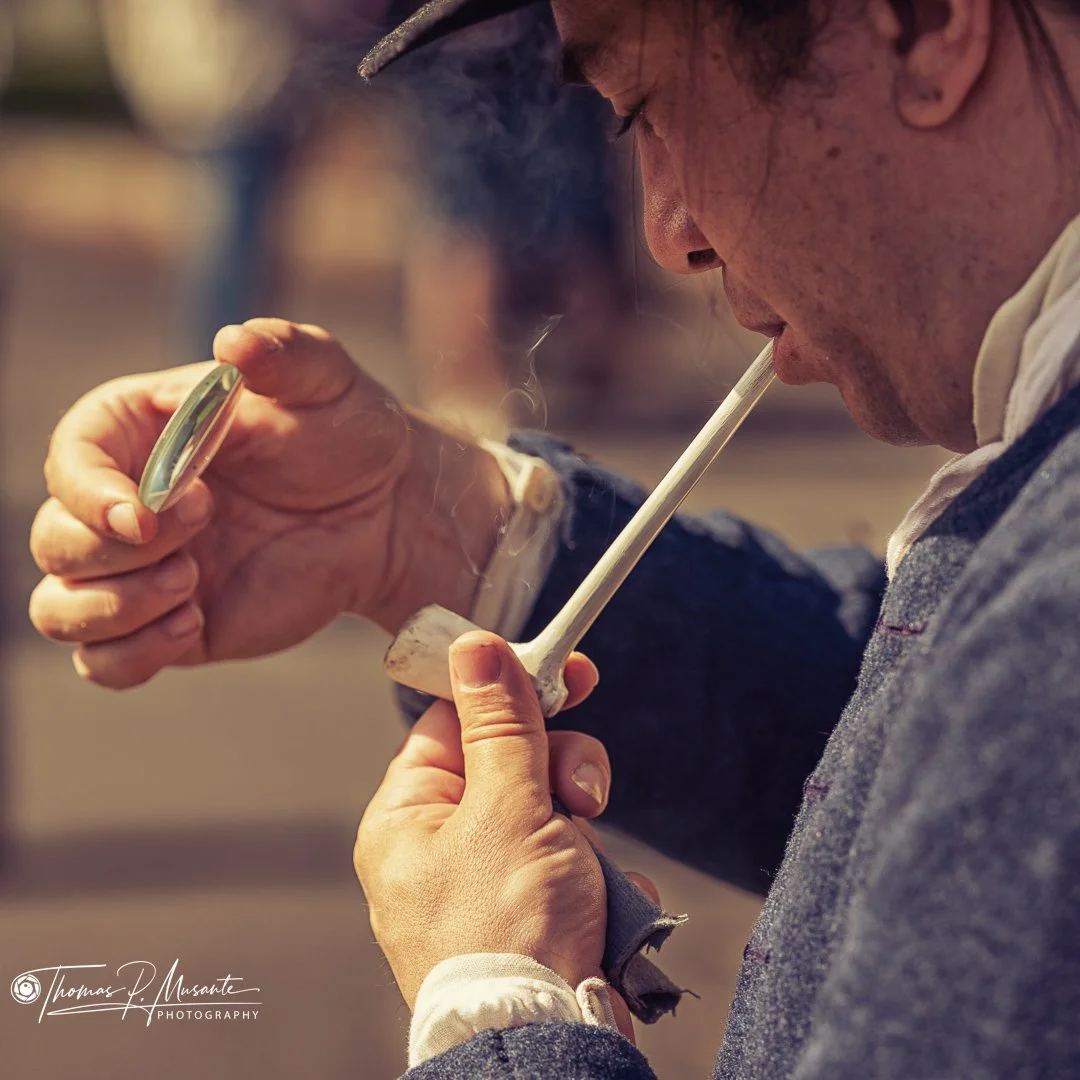
Tobacco was central to colonial life and economy. A major cash crop (especially in Virginia), it functioned as currency and helped fuel trade tensions leading to the war. Production shifted toward food crops during the conflict, but the leaf remained a cultural constant.
Men, Women, and Children
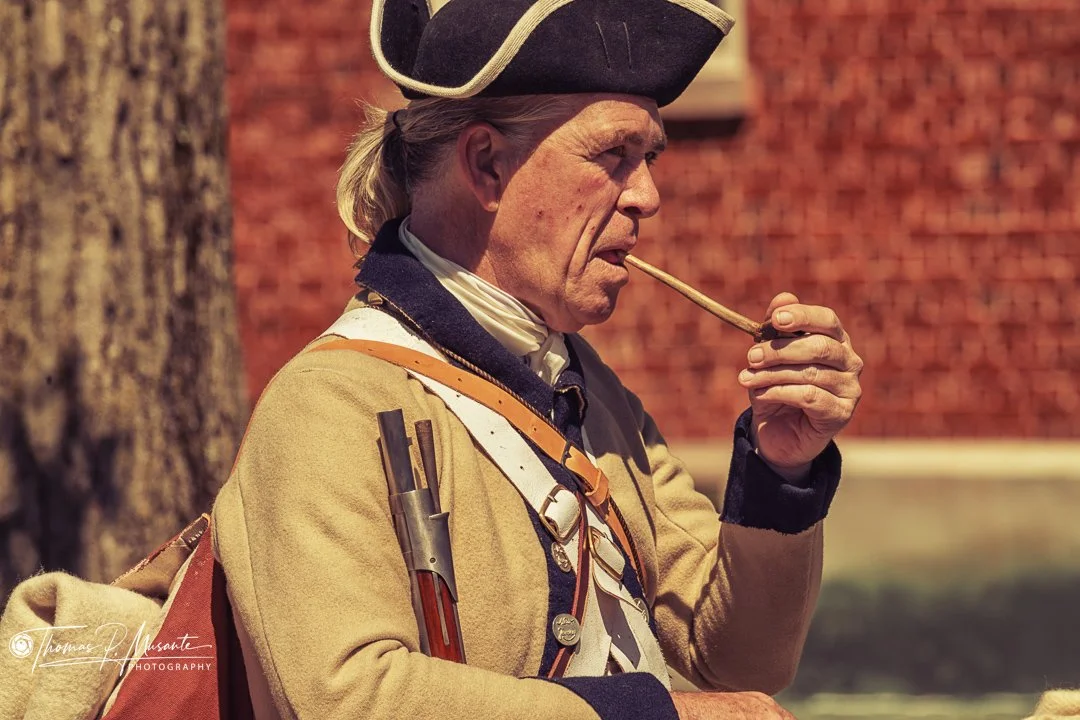
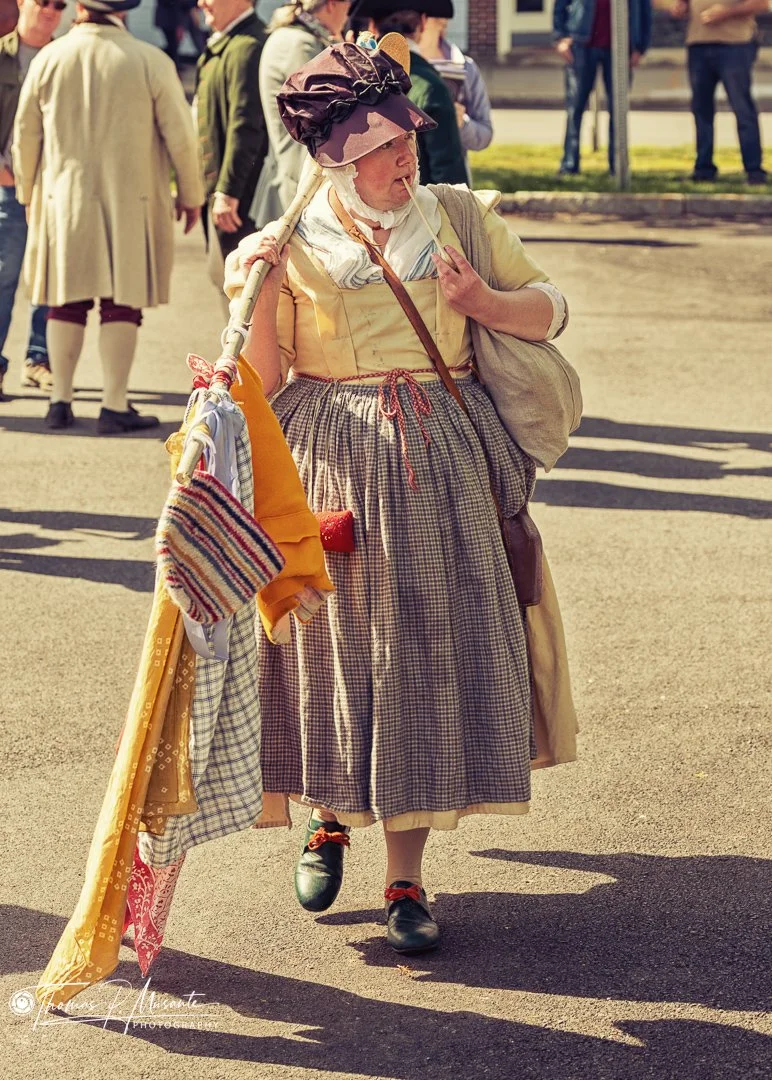
Pipe smoking crossed lines of age and gender. Men often found quiet moments amid camp life...
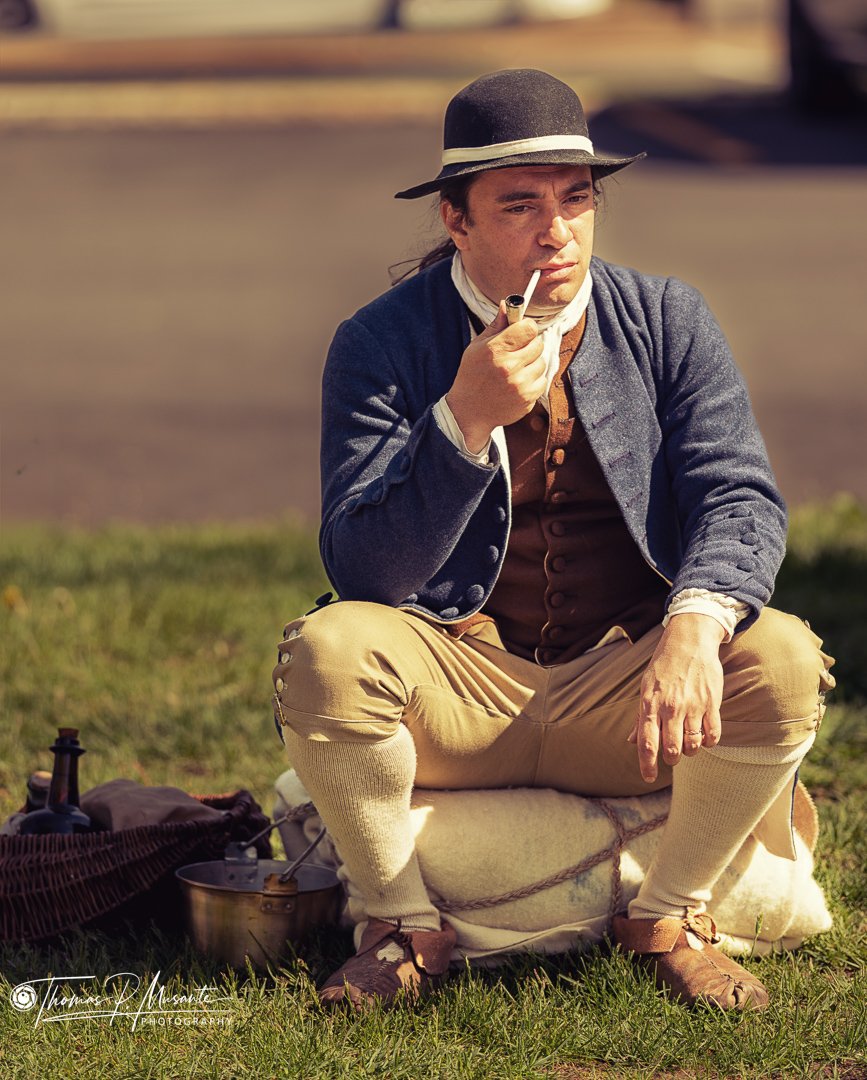
...while women and children also took part, reflecting broader period realities. (I’m happy to report I have not seen any children reenacting this part of daily life!)
Indigenous Perspectives
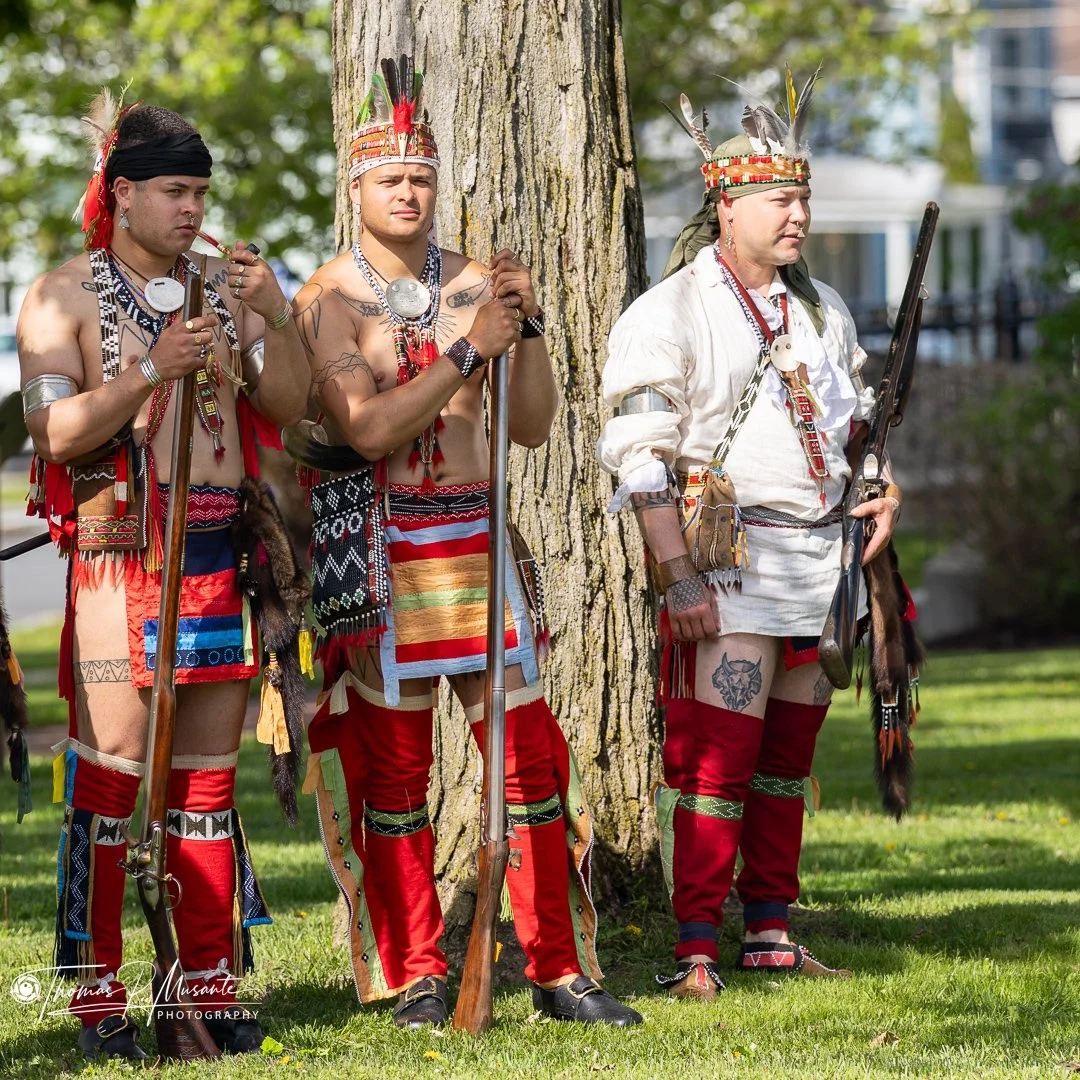
Reenactors portraying Native American participants add important layers, often using traditional pipes with deep cultural and social significance that intersected with the era’s complex alliances.
Archaeological Evidence
These scenes are firmly rooted in the historical record. Clay pipe fragments—stems and bowls—are among the most common artifacts at Revolutionary War and colonial sites. Recent work from Cambridge digs (Harvard-area excavations) and other locations highlights their abundance and provides valuable dating and context for understanding daily life in the period.
The Human Thread in Rev250
These photographs capture the routines and small rituals that sustained people through uncertain times—the contemplative pause, the shared light of a bowl, the quiet continuity of living history. As we approach the 250th anniversary, reenactors help us see not only the battles, but the ordinary moments that shaped the Revolution.
If you liked this post, check out:
Sources
White clay tobacco pipe fragments from Mount Vernon and Revolutionary-era archaeological sites
Continental Congress authorization (1776) allowing sutlers to sell chewing tobacco and snuff to soldiers
National Museum of American History – period tobacco use (pipes, snuff, chewing)
Journal of the American Revolution articles on tobacco’s economic and military role
Standard colonial material culture references on everyday tobacco practices
This is the first installment in the “Everyday Life in Rev War Reenactments” series. What detail of the period should we document next? Follow for more from upcoming events.
All images © 2026 Tom Musante, tmusantephotography.com