Through the Smoke: Communication on the Revolutionary Battle Field
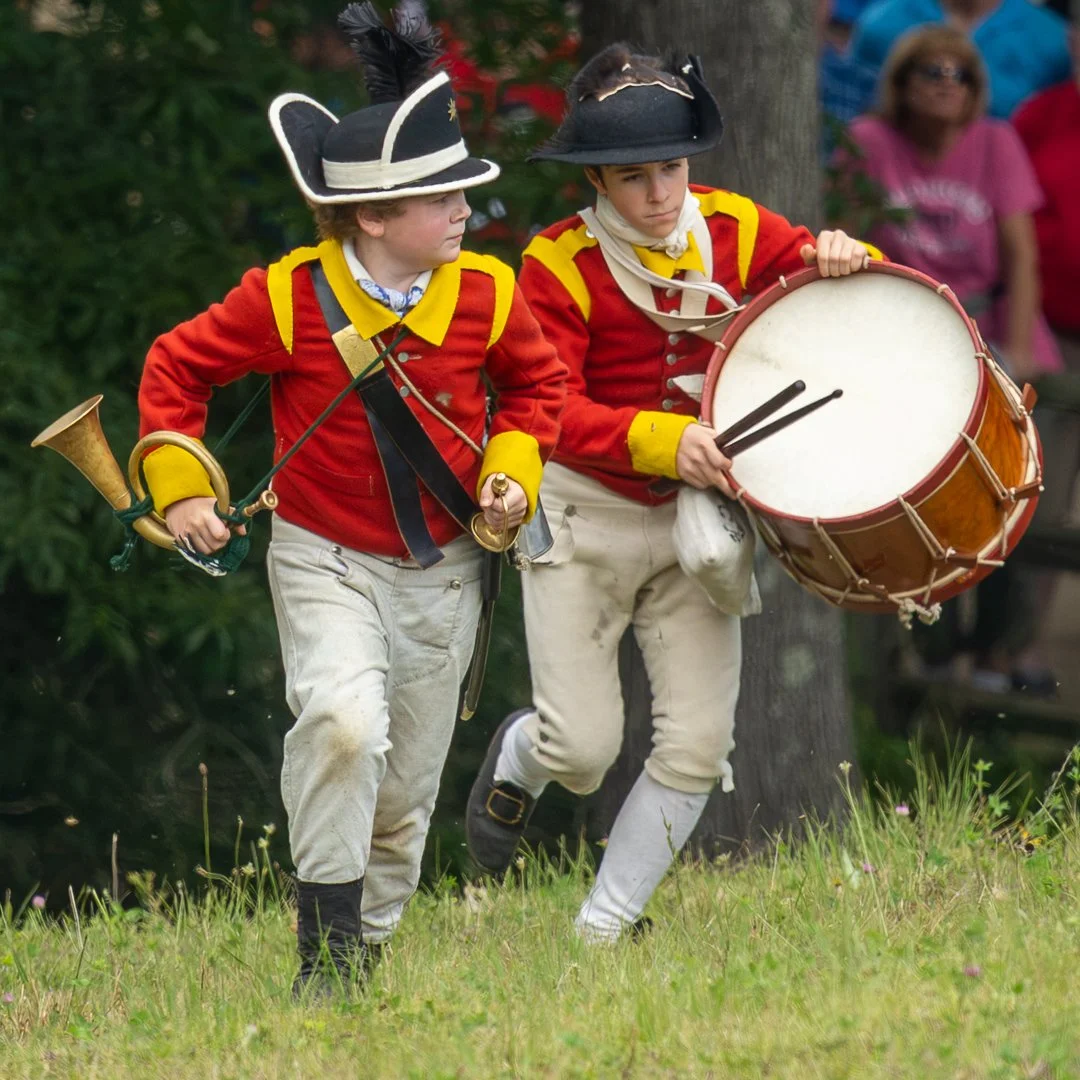
Drummers Waiting to Communicate Orders to the Troops- Lexington Battle Green 2026
In today's reenactments nothing is more ubiquitous than the precise beat of a unit's fife and drum corps. It's always a crowd favorite, spreads an aura of patriotism across the field and, of course, helps reenactors stay in step on the march. But staying in step, while important, was only part of the music's role in the 18th century.
18th Century Radios
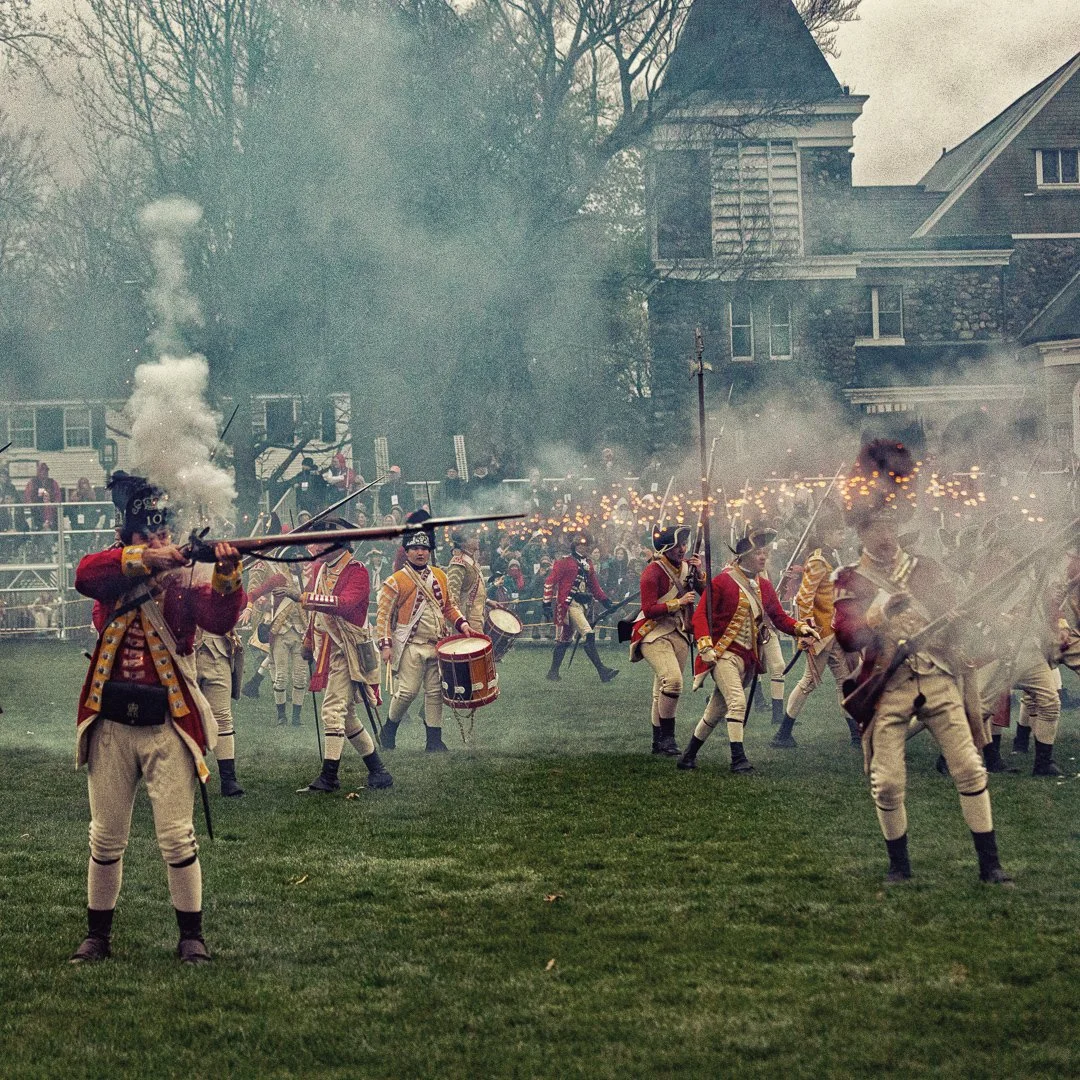
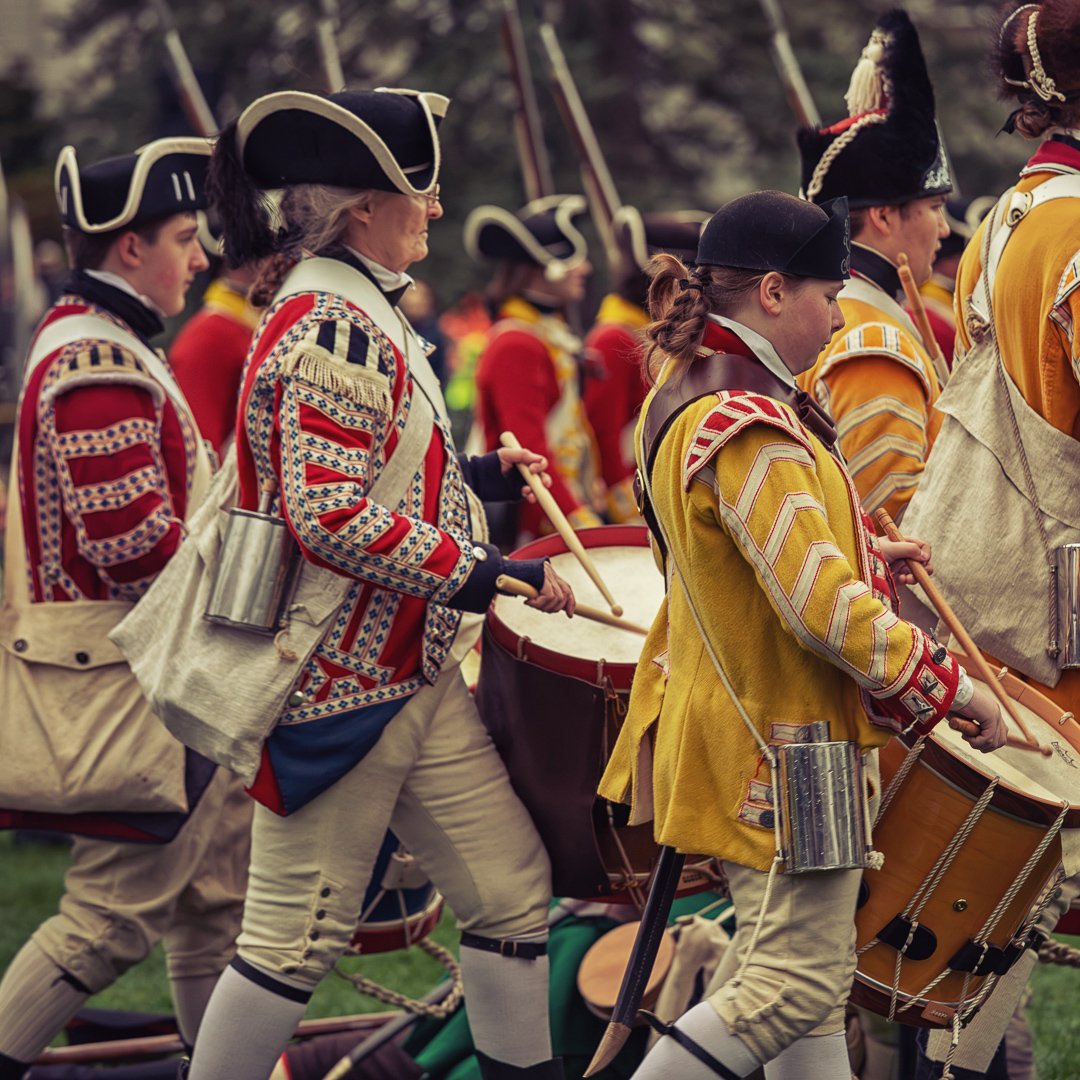
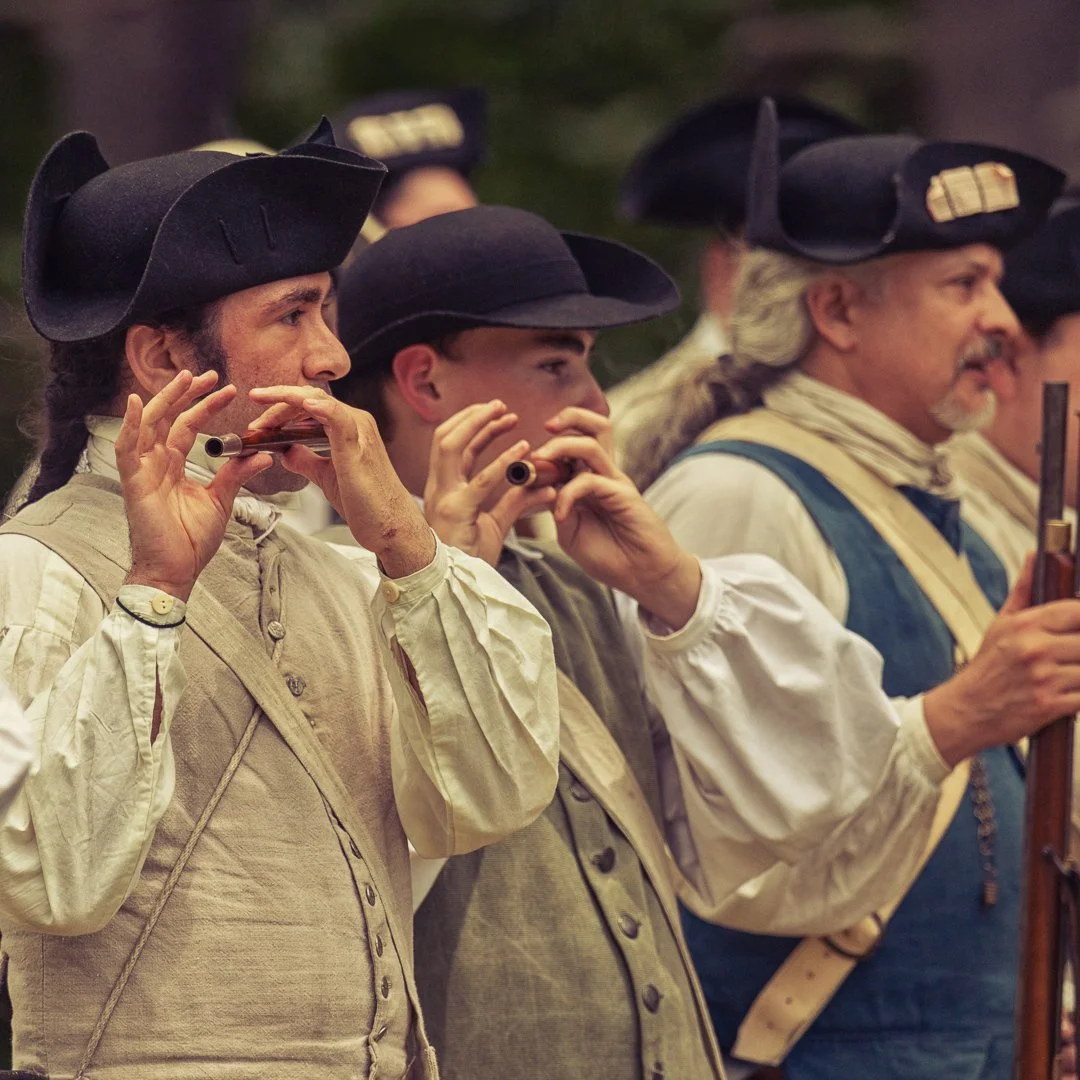
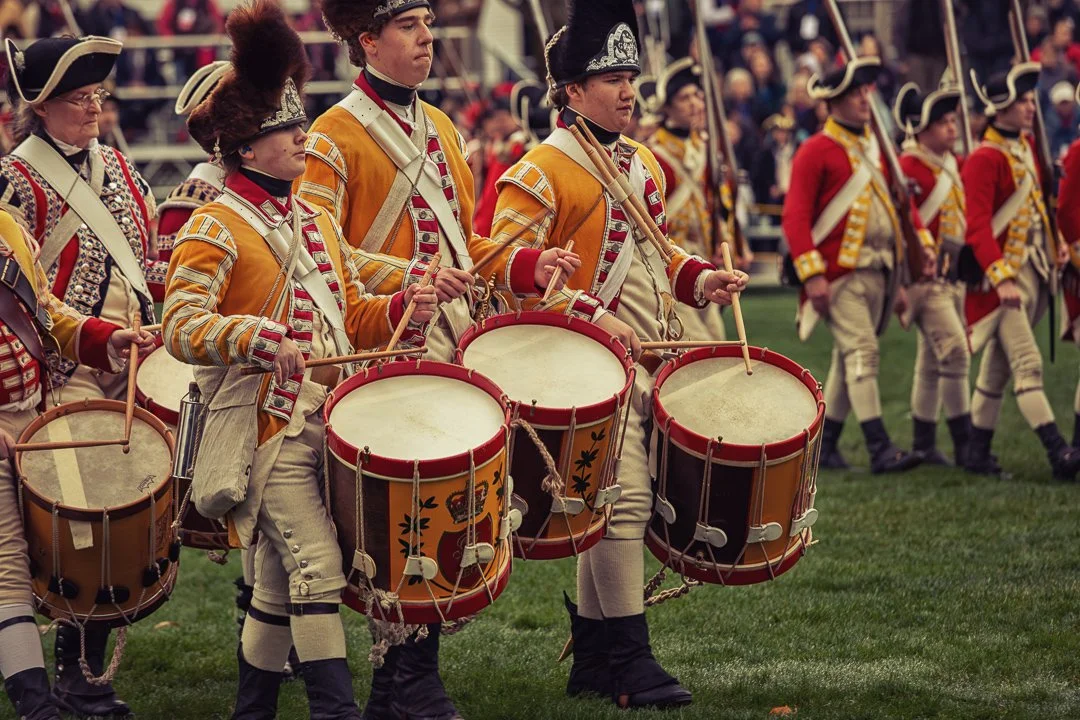
On a field wrapped in black-powder smoke, shouted orders died almost as soon as they were given. Both armies answered with music. A rope-tension drum and a six-hole fife carried far beyond a voice. Steuben's 1779 Regulations standardized the Continental calls: the General to strike tents, the Assembly to fall in, To Arms for an alarm, the Parley to request a conference. In battle, a British captain of the 42nd recorded in 1780, the Preparative opened fire, the Point of War meant charge, and the first bars of the General stopped it. Washington called the army's music "in general very bad" in June 1777 and threatened the drum and fife majors with demotion. Those musicians were the battalion's radio.
Riders on the Storm
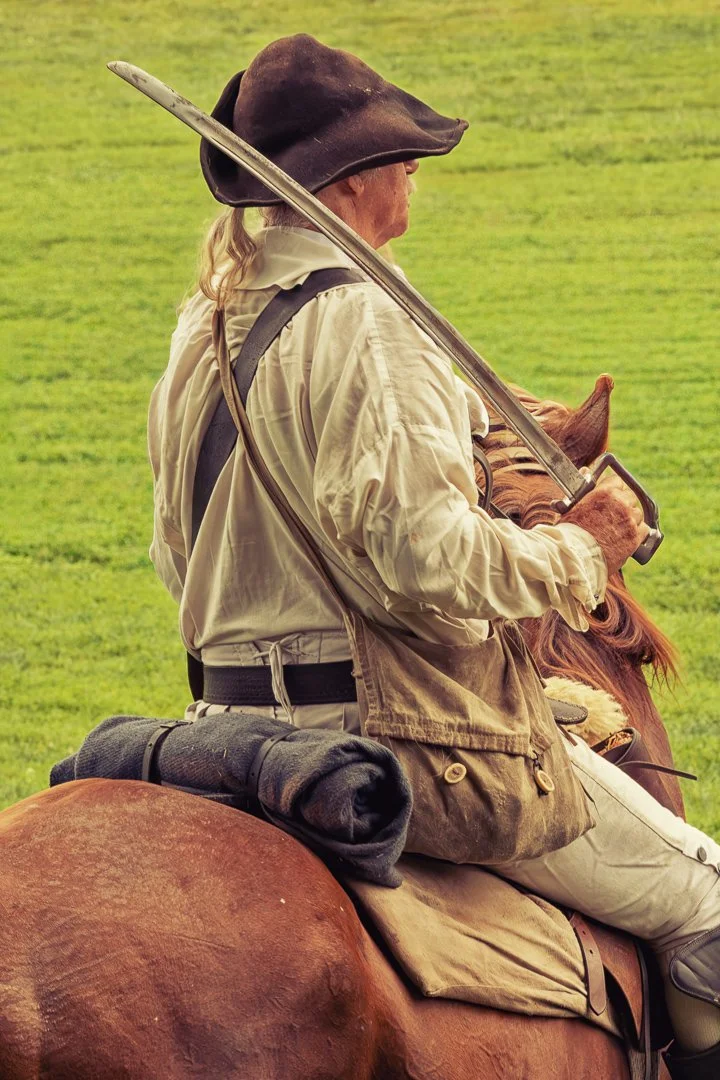
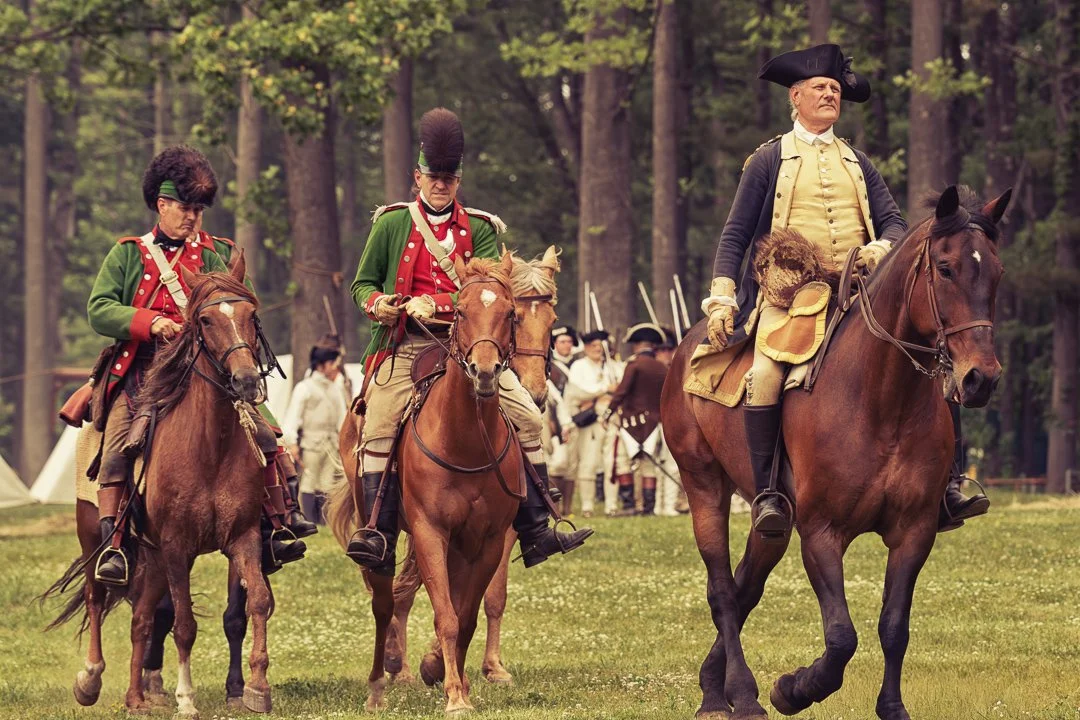
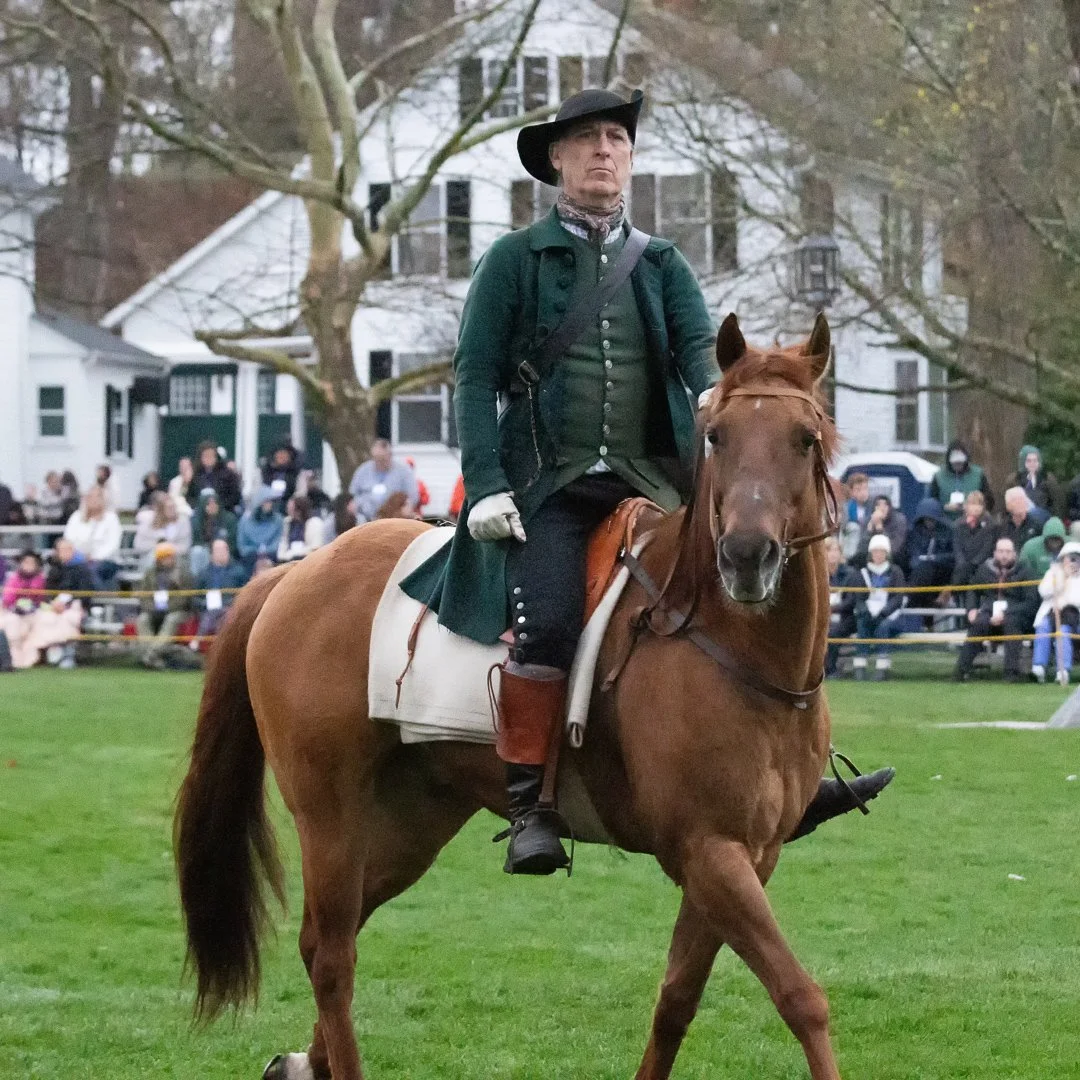
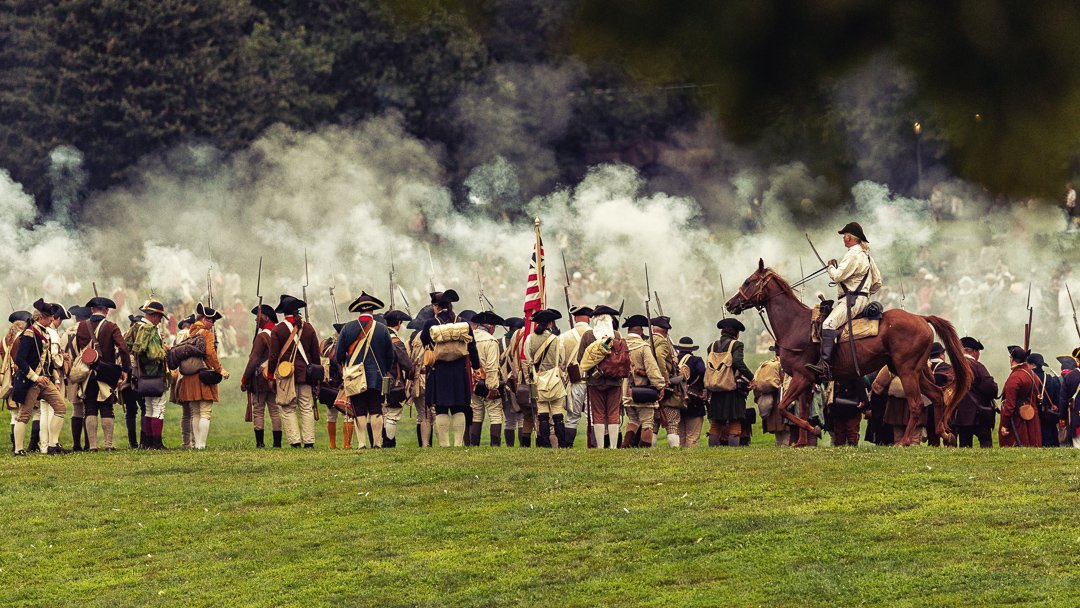
What the drum could not carry, a horse could. Washington's aides-de-camp turned a change of mind into a change of line. At Monmouth, Alexander Hamilton's horse was wounded, John Laurens's was killed under him, and both Laurens and John Fitzgerald were struck by musket balls. Tench Tilghman spent seven years copying orders one hour and galloping them to a colonel the next. When Charles Lee's advance collapsed there, the only way to reset the army was a man on a horse.
Whistle While You Work
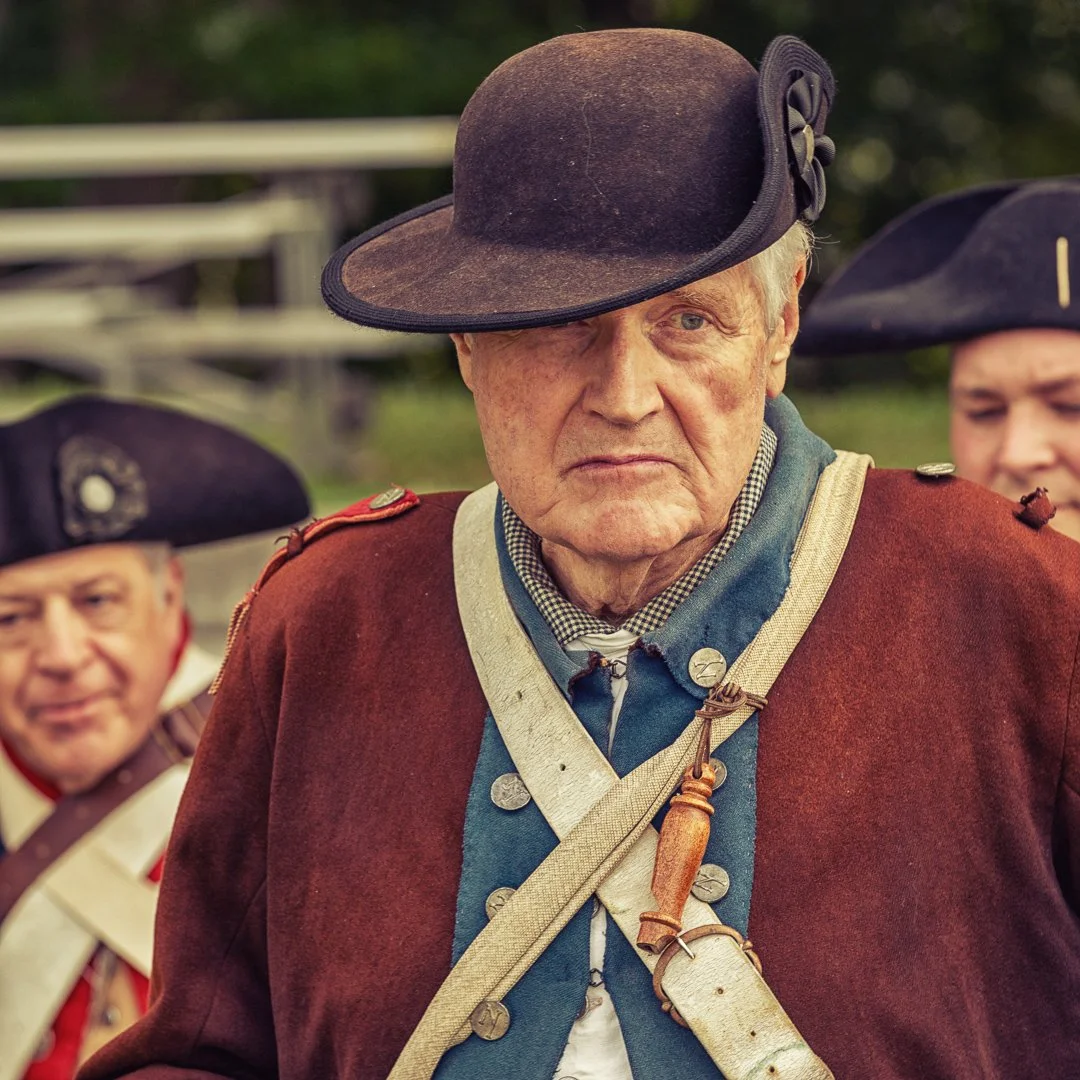
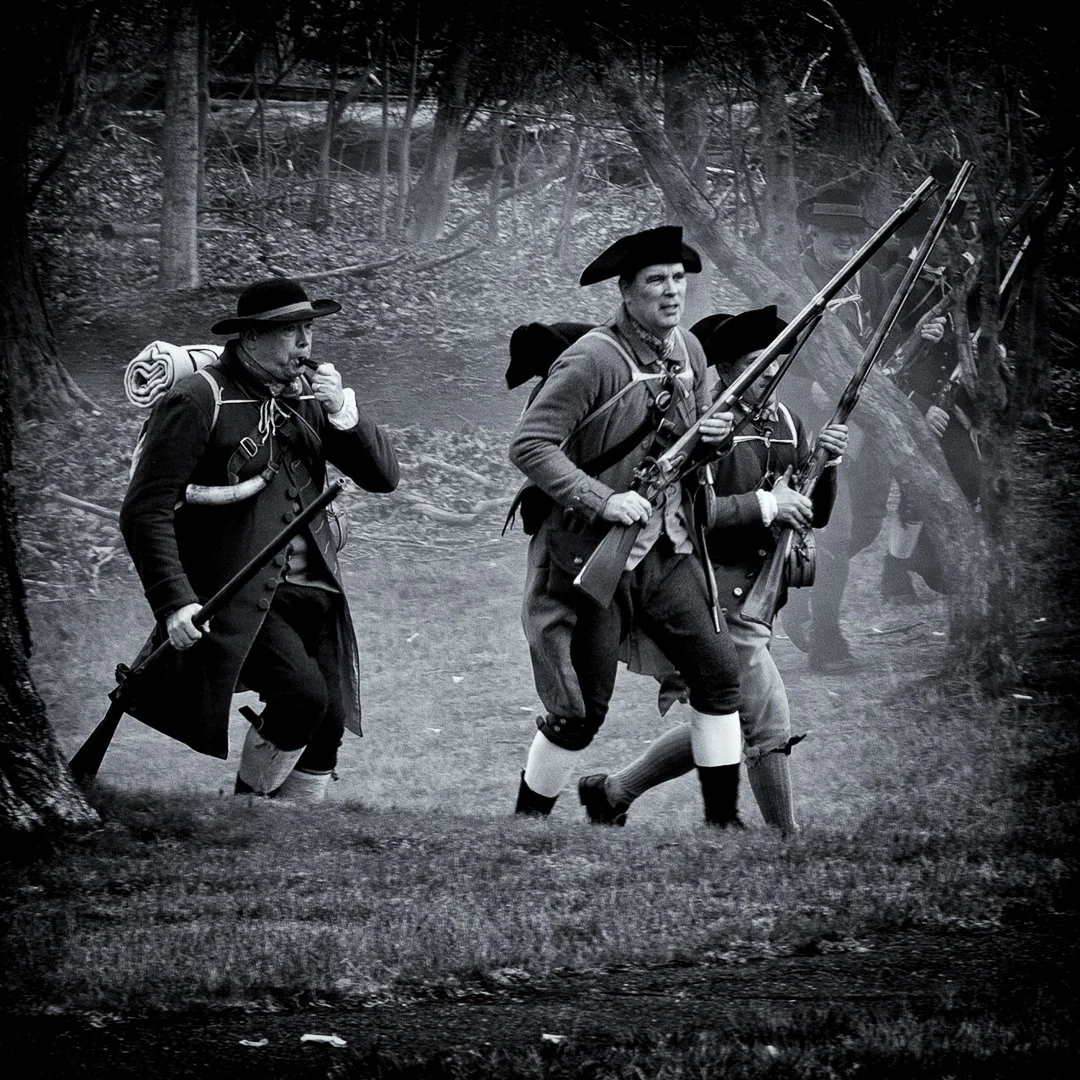
In the woods, some officers set aside drum and voice alike. After Harlem Heights in 1776, Lieutenant Loftus Cliffe of the British 46th wrote home about a fellow officer, Johnson, who moved his company by whistle: form right or left, drop or rise. On the same field, British light infantry sounded their horns as if ending a fox chase; the Americans counterattacked and drove them back. Continental officers had woods signals of their own. At Freeman's Farm in 1777, Daniel Morgan rallied his scattered riflemen with a turkey call.
Long Distance
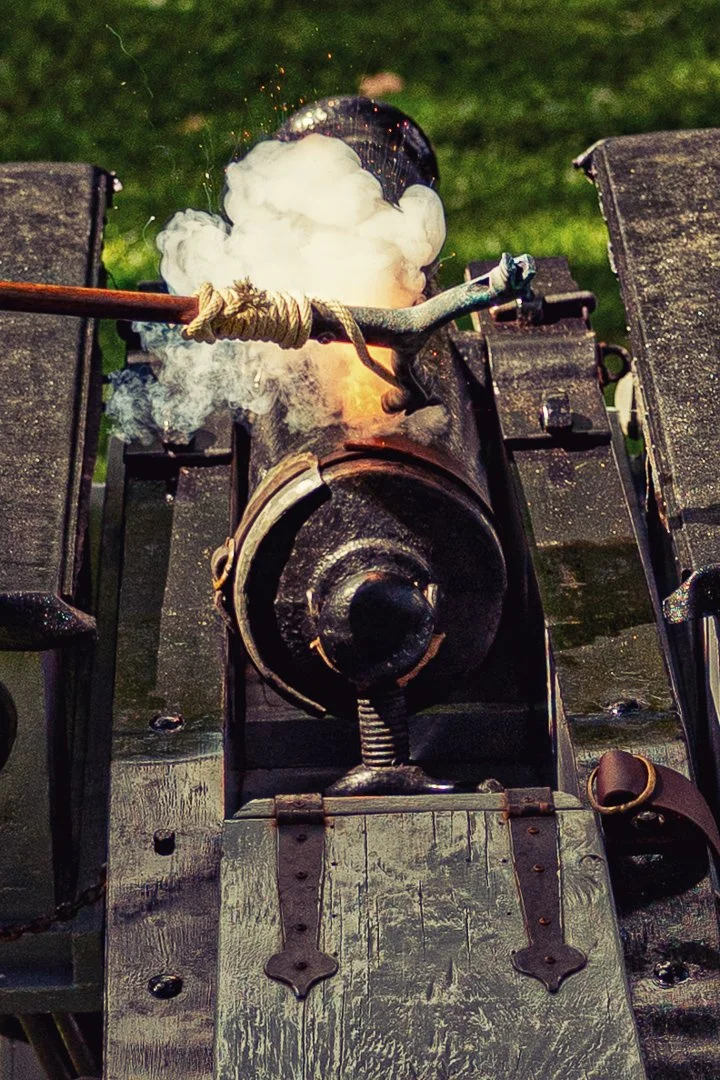
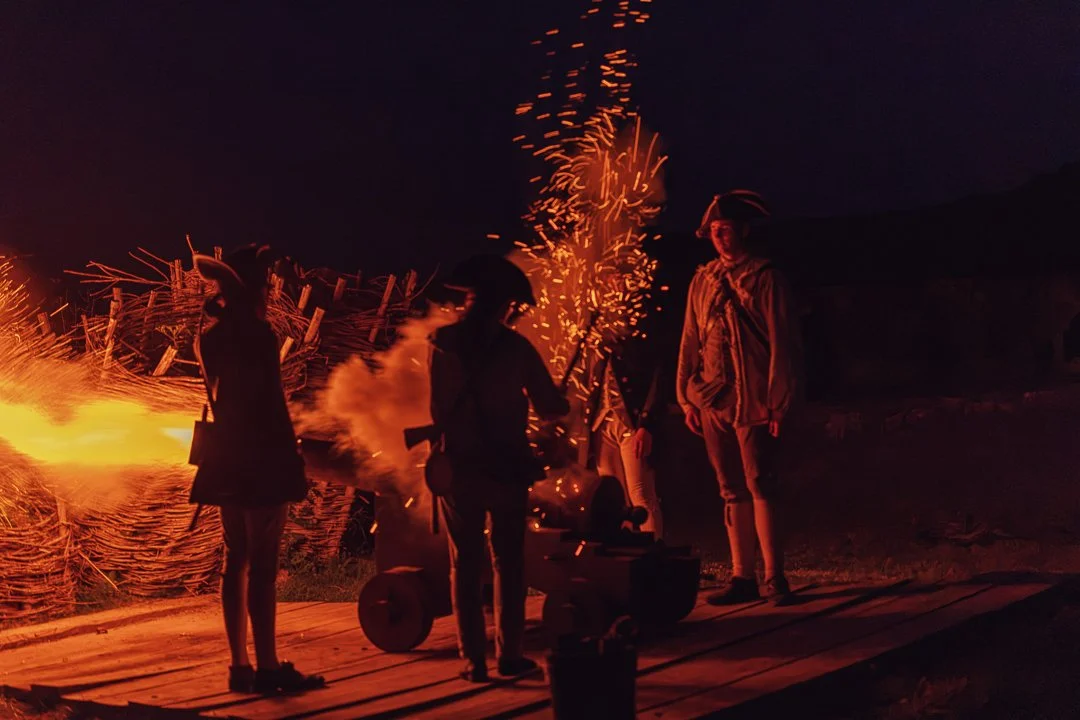
Other signals reached farther. Three cannon meant a general alarm, with drums beating To Arms as the regiments formed; a morning gun called reveille and a sunset gun the retreat. In 1779 Lord Stirling raised twenty-three log beacons from the Watchungs, then called the Blue Hills, southwest toward Amwell and east into Monmouth. It was the Old North Church lanterns, one if by land and two if by water, stretched across a mountain chain.
The Early Internet
Together, it made a working command net. The drum spoke to the battalion, the aide for the general, the whistle to the line in the trees, and guns and beacons to the countryside beyond the smoke. None of it was elegant, but all of it had to work. That system is still visible when a fifer lifts the instrument, a rider leans into a gallop, or a ridge fire answers a gun.
Today
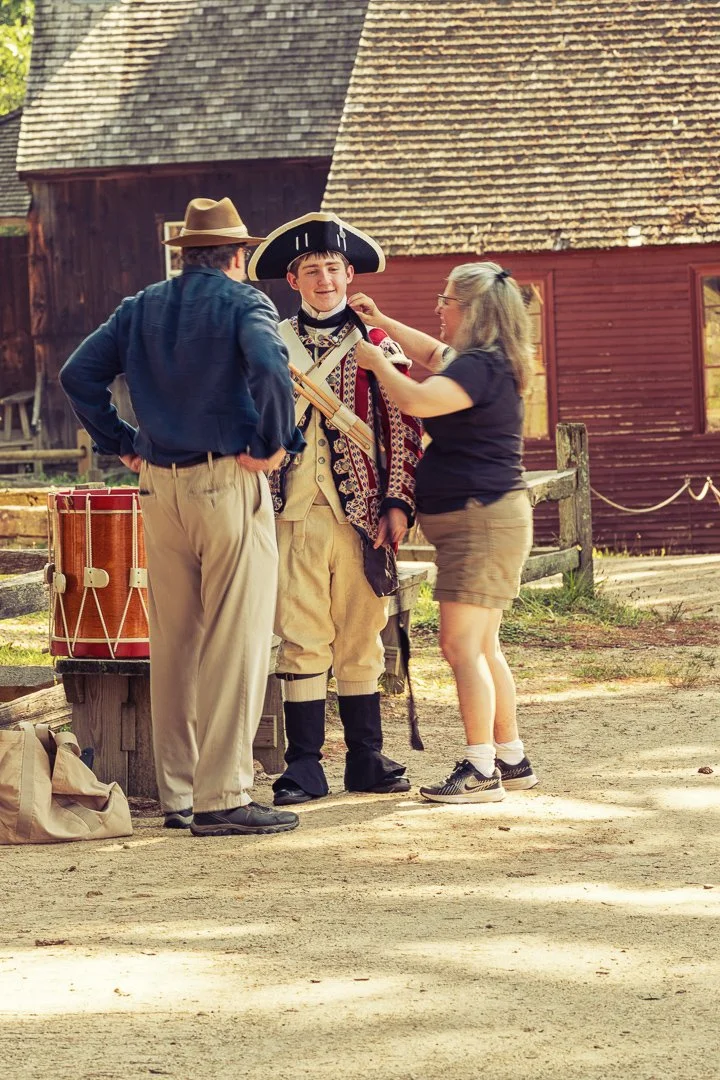
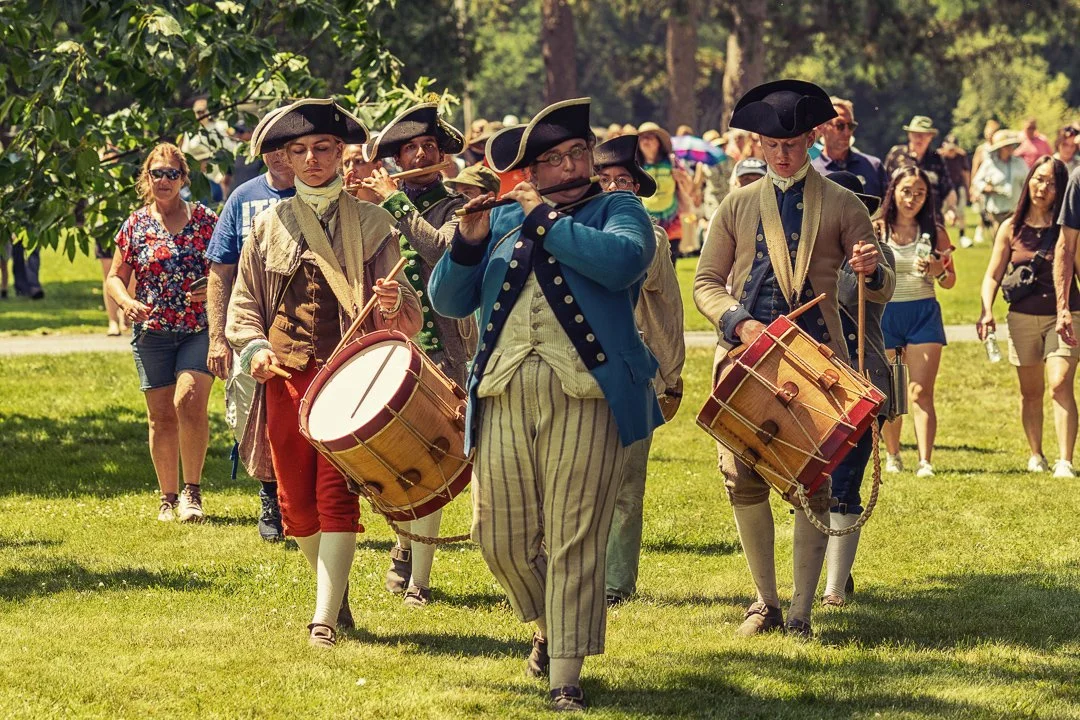
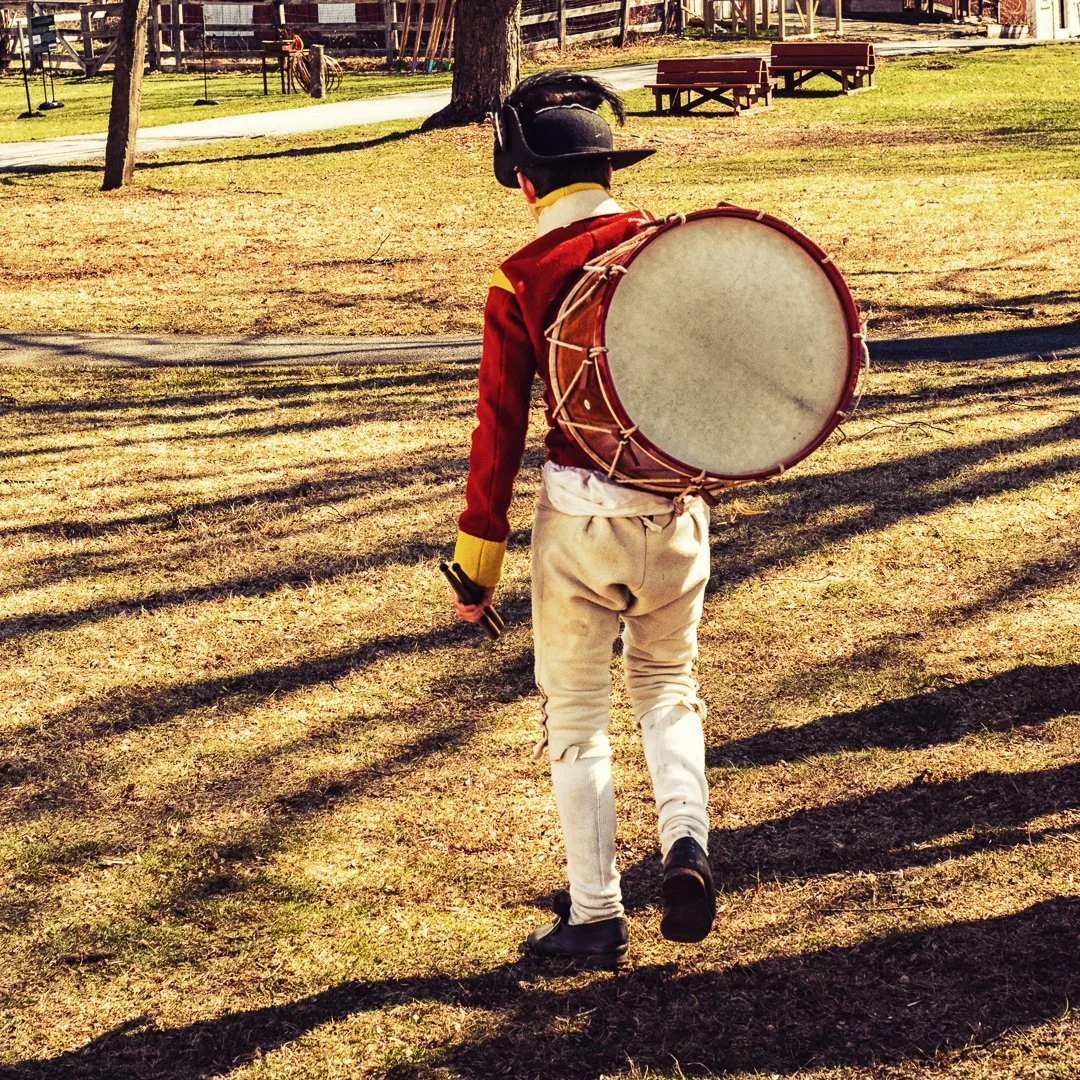
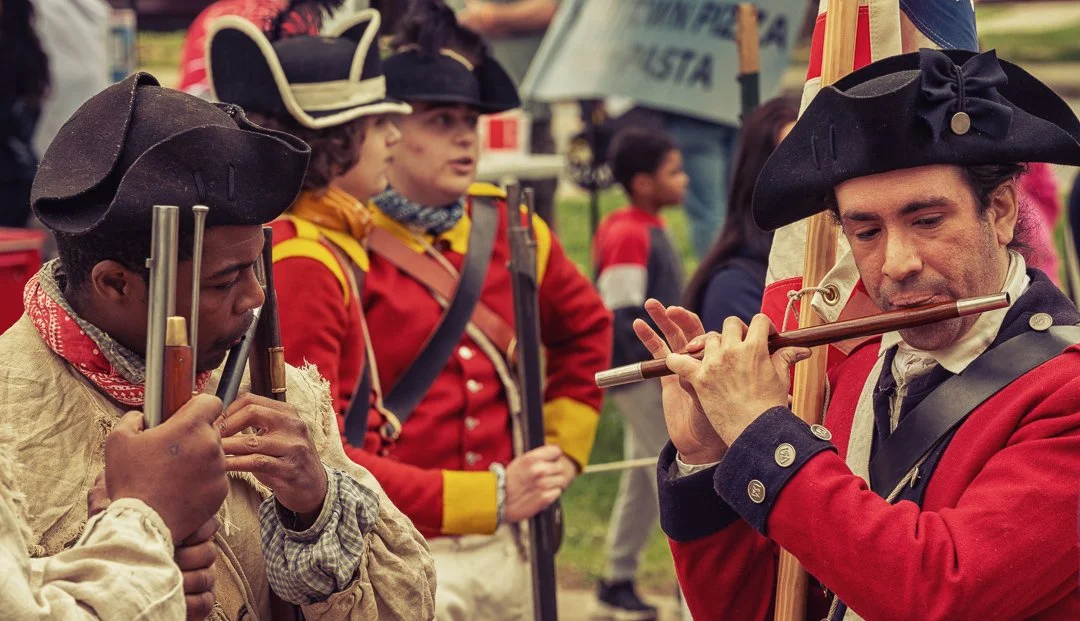
Today the drummers and fifers no longer carry orders through the smoke. Their job now is reminding us how different that world was, and how much of it still marches with us.
Somers, New York
If you liked this post, check out:
Sources
Friedrich Wilhelm von Steuben, Regulations for the Order and Discipline of the Troops of the United States (1779), ch. XXI, "Of the Different Beats of the Drum."
Capt. John Peebles, 42nd Regiment of Foot, journal entry of 22 August 1780, "Signals by Drum."
George Washington, General Orders, 4 June 1777 (army music), 20 January 1777 (three-gun alarm and To Arms) and 9 September 1779 (morning and sunset guns). The Papers of George Washington, Revolutionary War Series, via Founders Online.
Alexander Hamilton to Elias Boudinot, 5 July 1778.
Lt. Loftus Cliffe, 46th Regiment, to "Jack," 21 September 1776, Loftus Cliffe Papers, William L. Clements Library, University of Michigan.
Joseph Reed to Esther Reed, September 1776, on the British horns at Harlem Heights.
Lt. Joseph Hodgkins, letter of 30 September 1776, on the horn at Harlem Heights.
James Wilkinson, Memoirs of My Own Times (1816), on Morgan's turkey call at Freeman's Farm, 19 September 1777.
George Washington to Maj. Gen. Stirling and to Gov. William Livingston, 23 March 1779, on the New Jersey beacons.
Paul Revere to Jeremy Belknap, c. 1798, on the lantern signal.
ohn U. Rees, "'Bugle Horns', 'conk shells,' and 'Signals by Drum': Miscellaneous Notes on Instruments During the American War for Independence," The Brigade Dispatch 26, no. 4 (Winter 1996).
Arthur S. Lefkowitz, George Washington's Indispensable Men: The 32 Aides-de-Camp Who Helped Win American Independence (2003).
"Cursedly Thrashed: The Battle of Harlem Heights," Journal of the American Revolution.
"The Blue Hills Beacons," Journal of the American Revolution.
Monmouth County Historical Association, "Alarm Beacons Constructed in Monmouth County."
American Battlefield Trust, "Music in the 18th Century Army."