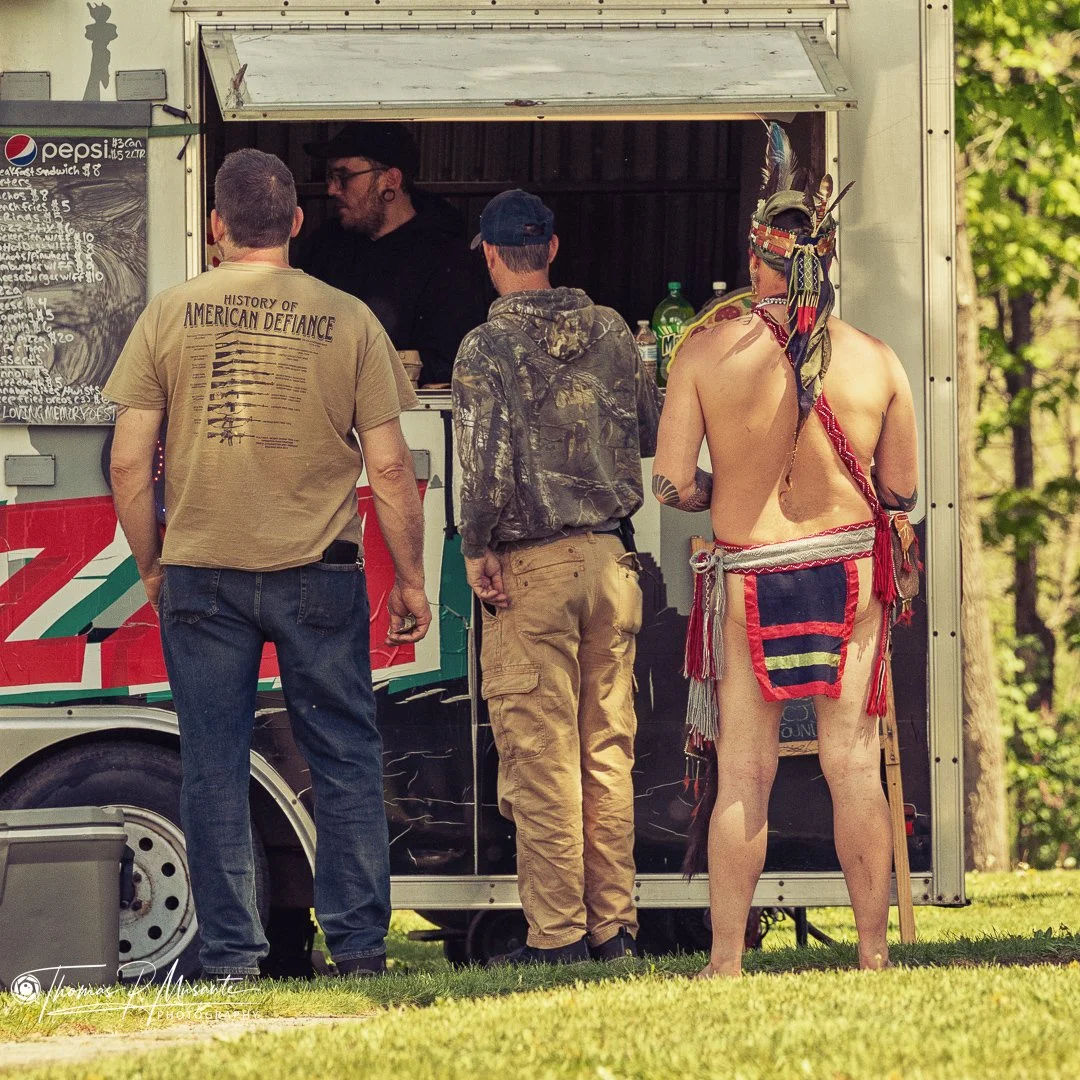
Nobody Told the Twenty-First Century
The Commander's Intent for this project says the goal is to reveal the human continuity between past and present. Where my eye goes is the seam between the two — the place where the eighteenth century and the twenty-first are pressed together hard enough that you can see the join.
Most photographers at these events are shooting the reenactment. I've gotten more interested in the collision.
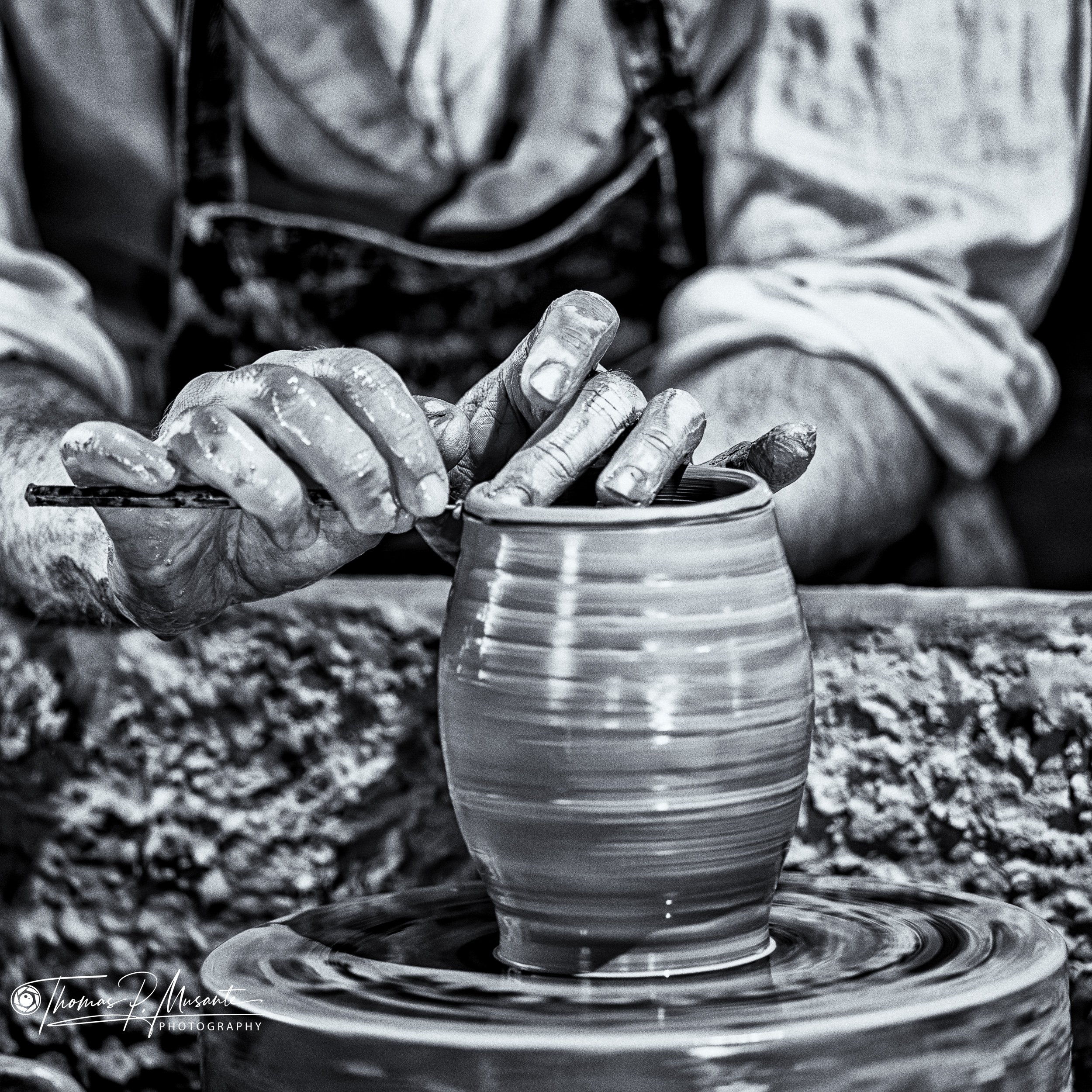
The Hands Tell a Story
Over the past several years I’ve had another running project focused (literally) on hands and the work they do. It was only natural that during my Rev250 project my eye would be drawn to reenactors’ hands performing 18th-century activities. These frames run from Lexington to Old Sturbridge Village and I’m sure there will be more in the weeks to come.
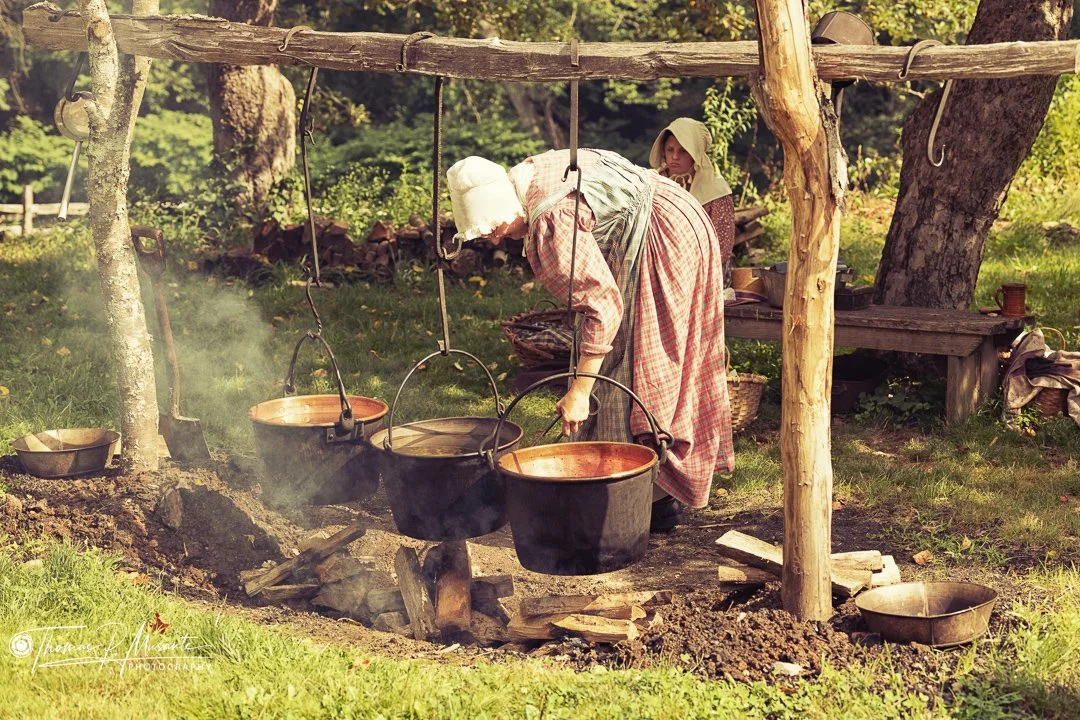
Where the Story Begins — Redcoats and Rebels at Old Sturbridge Village
The Village interprets the years 1790 to 1840, and its living history program is built around the 1830s. This is a world on the cusp of the industrial revolution, a rural economy tilting toward industry — a world that arrived a full half-century after Lexington Green. The museum opened in 1946 and now covers more than two hundred acres, with roughly forty antique buildings relocated from towns across New England and upstate New York, three water-powered mills, and a working farm.
Nothing about that description is Revolutionary. The men who fought at Concord would have been old men here, if they were alive at all.
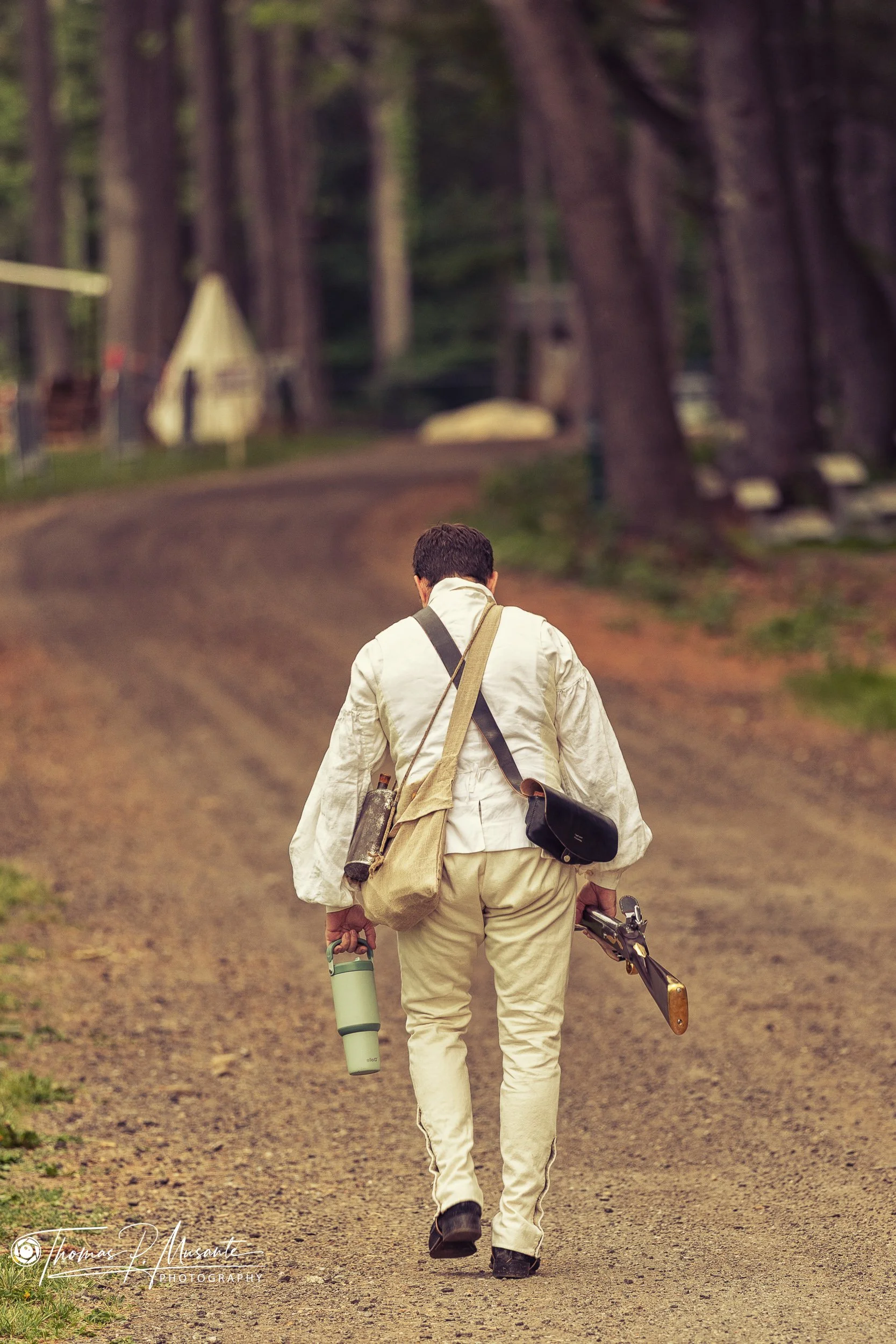
Community and Continuity in Reenactment Photography
In the early morning light before the June Putnam Heroes event in Carmel, New York, two reenactors walked quietly through the dew-covered grass, discussing how they expected the day to unfold. In that quiet moment, the 250th anniversary felt less like commemoration and more like continuation. This is the essence of my Rev 250 project: capturing the moments that connect 1776 to 2026 through candid observational photography.
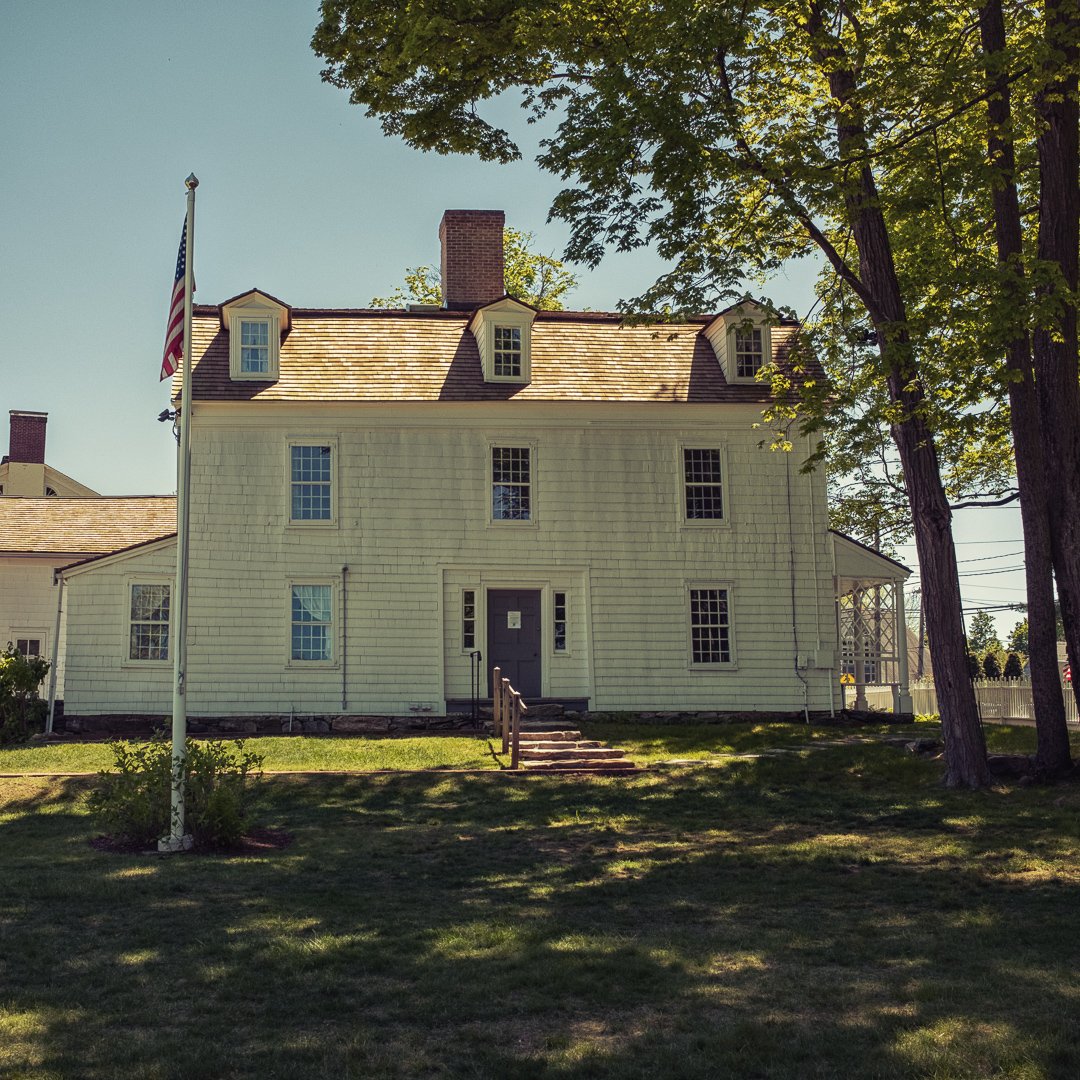
The Cannonball and the Tavern: The Story of Keeler Tavern
The Revolutionary period thrust the modest tavern directly into the conflict. As tensions with Britain grew, the inn served as a Patriot hub: secret meetings were held upstairs and, according to tradition, musket balls were produced in the basement.
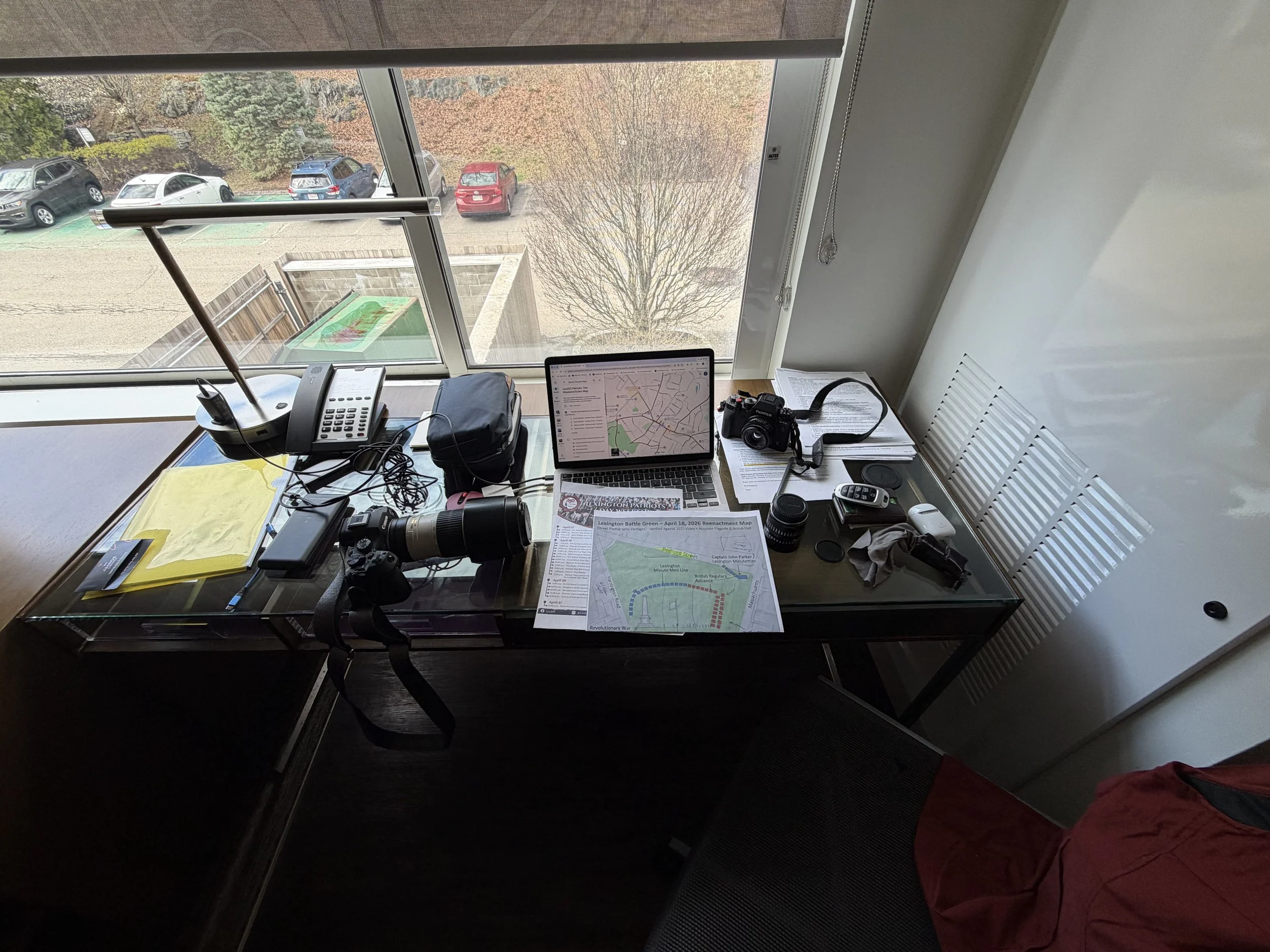
Not Planning is Planning for Failure
When I first started shaping this Rev 250 Street Photography Project while watching Ken Burns’ The American Revolution on PBS, I was struck by how meticulously every scene had been planned and researched. That level of preparation translated directly into the power of the final production.
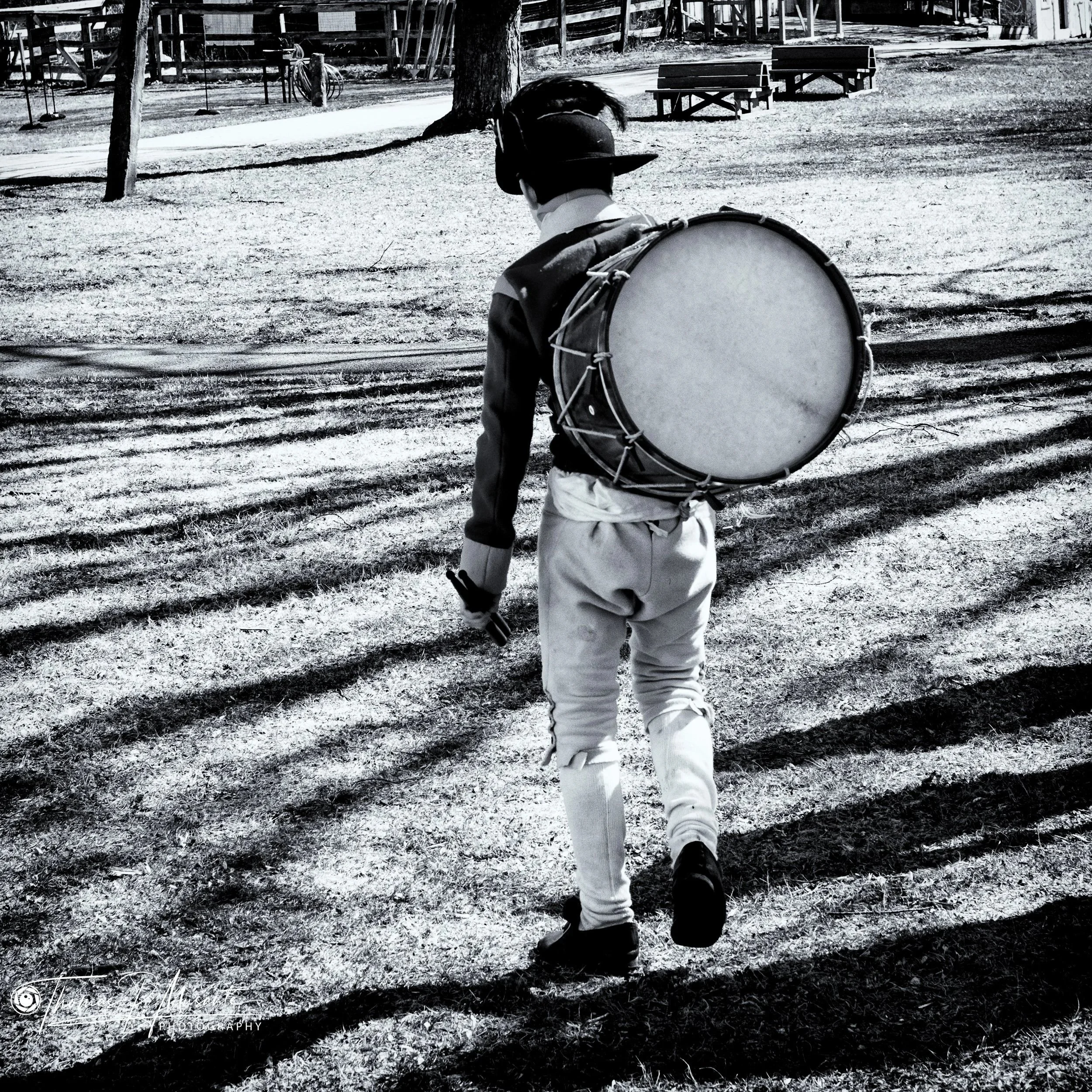
Launching Rev 250
This post announces the launch of a personal street photography project focused on the REv250 celebrations and the amazing people that participate in presenting the living history of the nations founding.