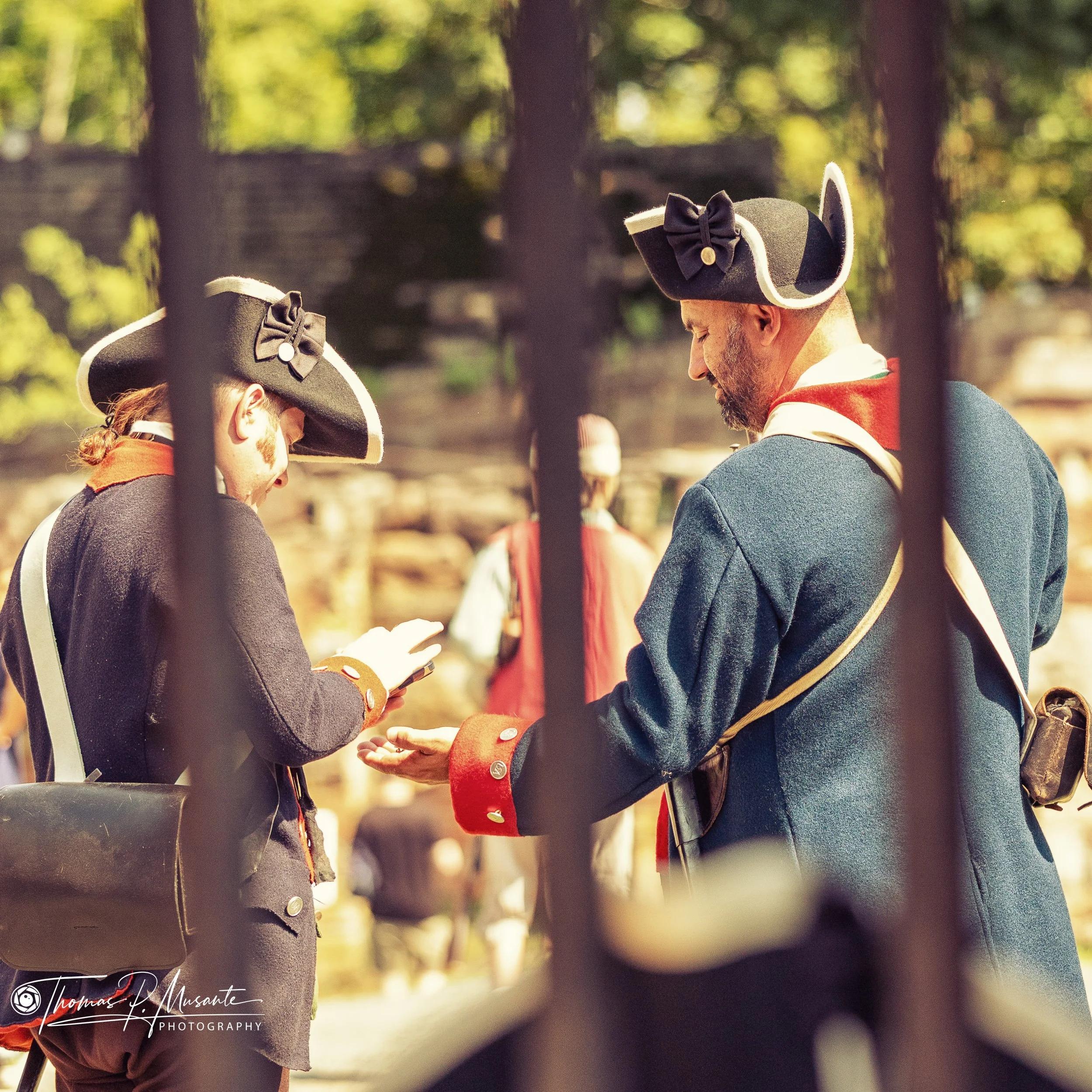
From Copper to Confinement Rev250 — Old New-Gate Prison & Copper Mine, East Granby, CT
In 1773, Connecticut converted the abandoned mine into New-Gate Prison — the first state prison in America. Inmates were lowered into the same shafts the miners had dug, sleeping on straw in caverns lit only by candlelight. During the Revolutionary War, New-Gate held Loyalists alongside the colony's criminal population — including men Washington himself ordered sent from his Cambridge headquarters during the Siege of Boston in December 1775, writing that they were 'flagrant and atrocious villains' too dangerous to keep near his camp. They were deliberately denied prisoner-of-war status, so they couldn't be pardoned or exchanged.
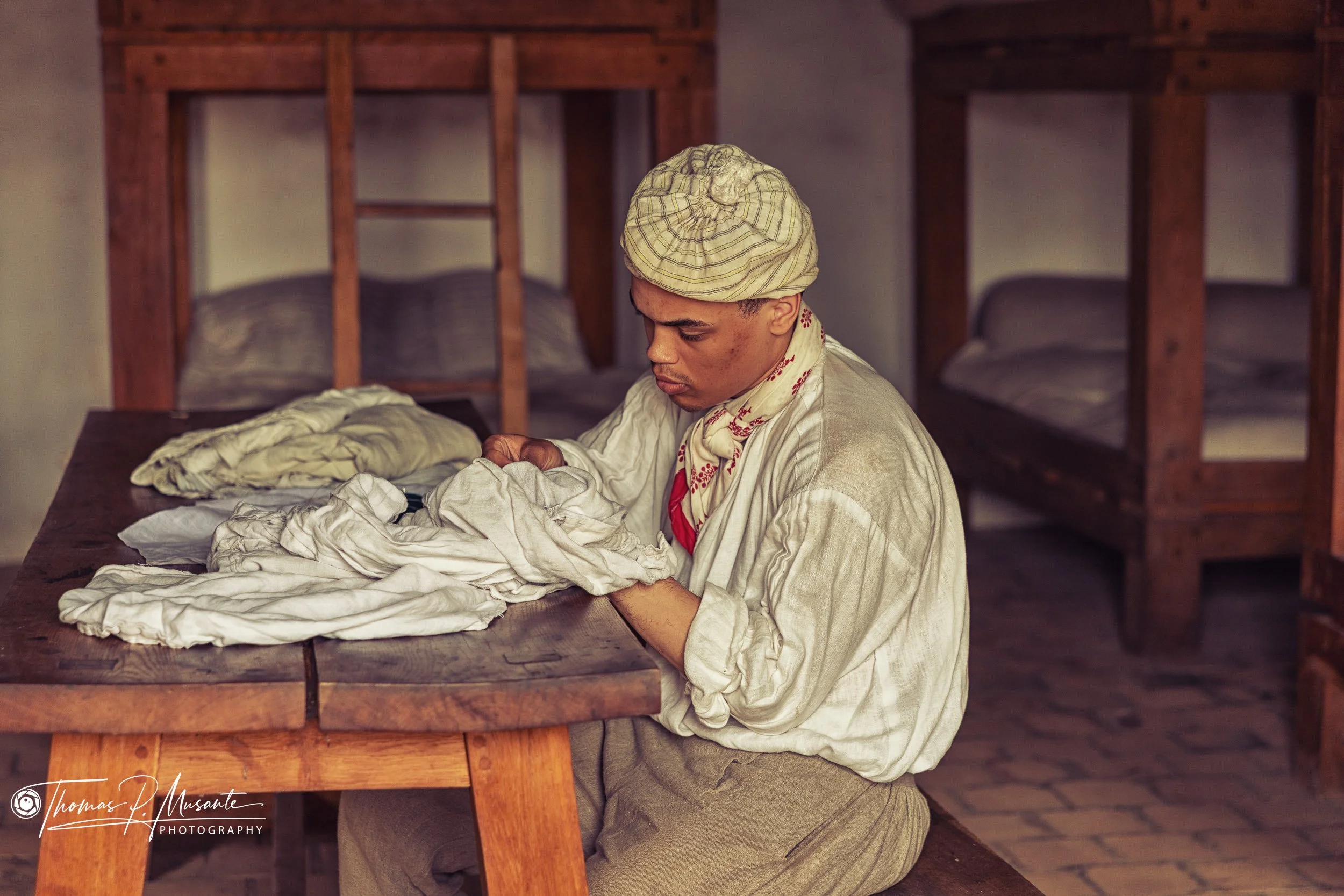
Sewing, Tailoring, and the Everyday Fight for Independence
A reenactor sits quietly bent over his work, needle moving in short, practiced strokes through a half-finished linen shirt. No one's watching. No musket fire, no drums, no crowd — just the quiet, repetitive work that a soldier's survival actually depended on. It's an unglamorous scene, and that's exactly why it matters. Long before a man ever shouldered a musket, someone had already spun, woven, and stitched the shirt on his back. In 1775, that work was as political as it was practical.
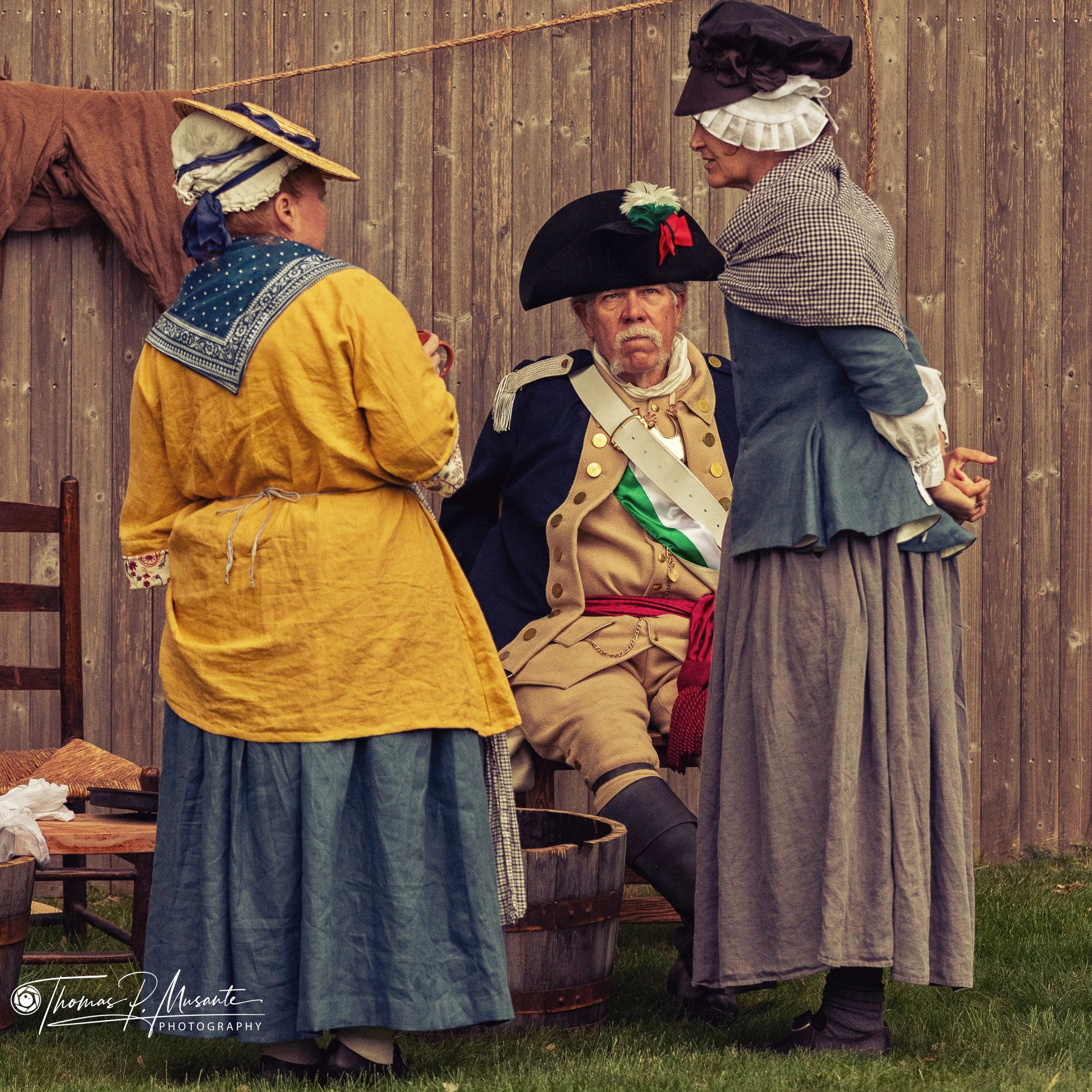
Wethersfield 250: Memorial Day in a New England Town
In May 1781, General George Washington met with French commander Comte de Rochambeau at the nearby Joseph Webb House to finalize plans for the Yorktown campaign — the decisive maneuver that effectively ended the war.