
Shallow Graves and Marked Stones
The side that held the field usually directed the work, burying both its own dead and the enemy's. Local residents often assisted or finished the task once the troops had gone. Along the Battle Road after April 19, townspeople and farm families buried a number of the British soldiers left behind.
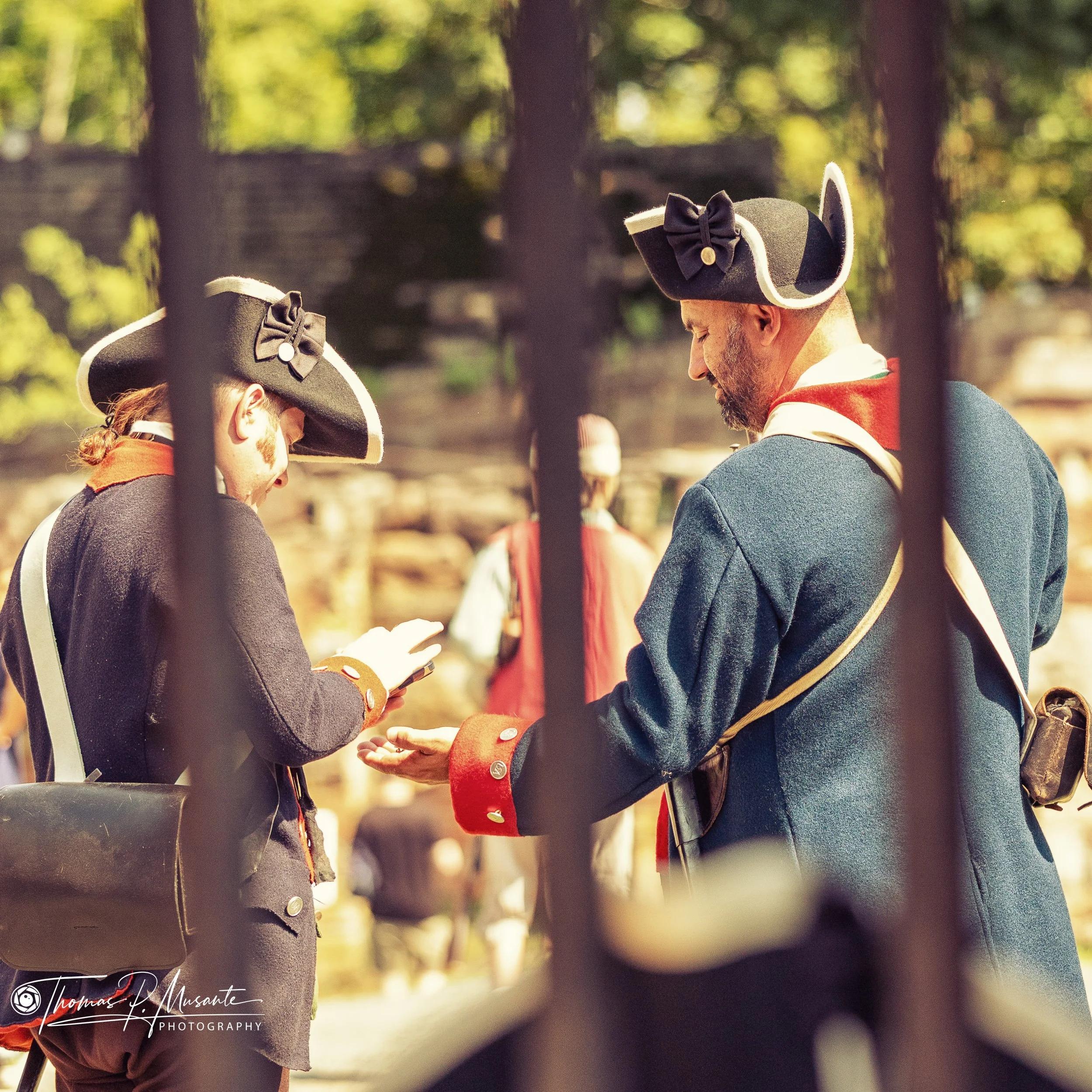
From Copper to Confinement Rev250 — Old New-Gate Prison & Copper Mine, East Granby, CT
In 1773, Connecticut converted the abandoned mine into New-Gate Prison — the first state prison in America. Inmates were lowered into the same shafts the miners had dug, sleeping on straw in caverns lit only by candlelight. During the Revolutionary War, New-Gate held Loyalists alongside the colony's criminal population — including men Washington himself ordered sent from his Cambridge headquarters during the Siege of Boston in December 1775, writing that they were 'flagrant and atrocious villains' too dangerous to keep near his camp. They were deliberately denied prisoner-of-war status, so they couldn't be pardoned or exchanged.
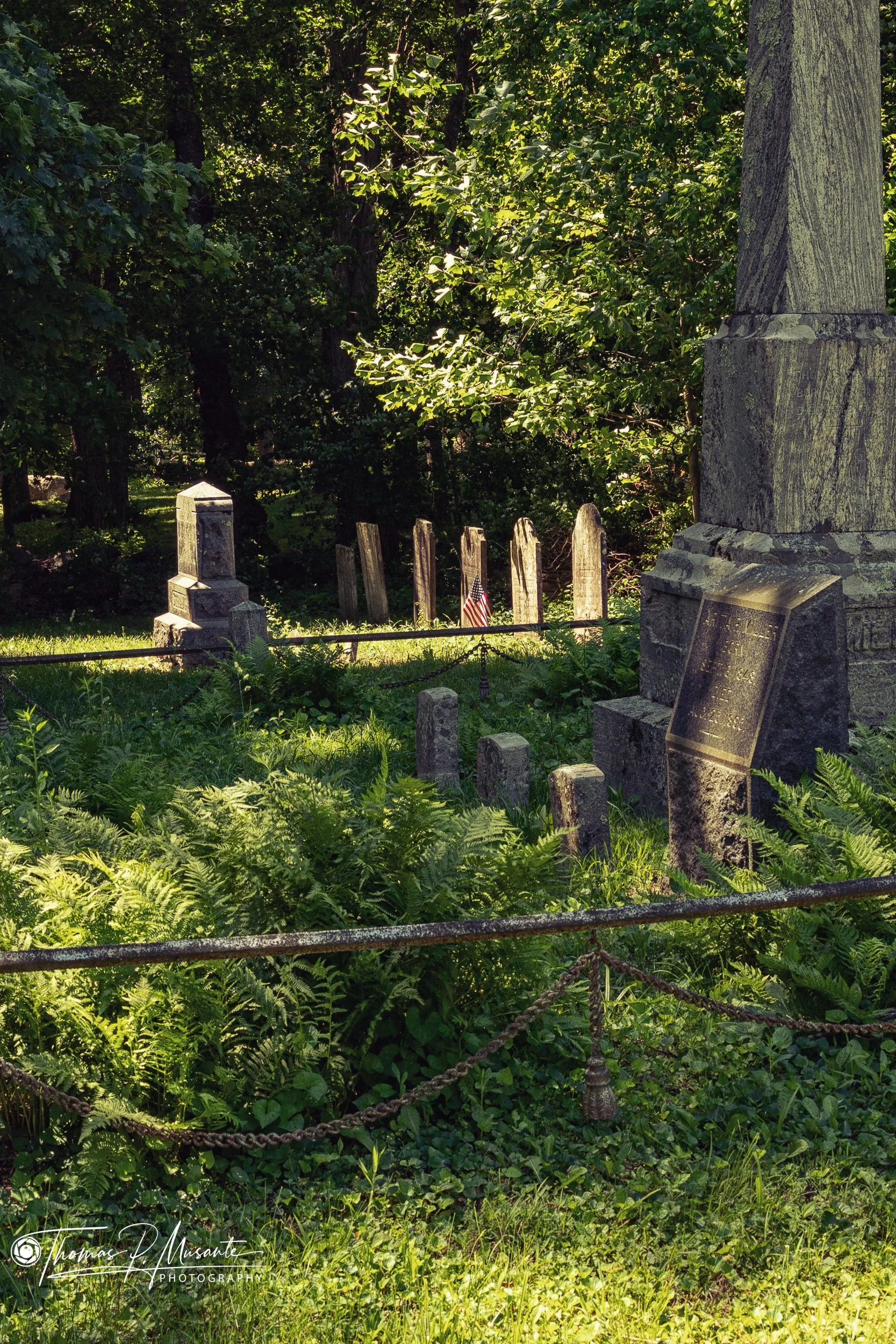
"Quiet Stones – Jacob Lent and Tomahawk Chapel Cemetery"
In the heart of suburban Westchester, just minutes from home, lies one of the most intimate Revolutionary War sites I’ve encountered. Tomahawk Chapel Cemetery doesn’t shout for attention. No grand monuments or battle reenactments here. Just weathered headstones, filtered morning light through old trees, and the quiet final resting place of men who actually answered the call in 1775–1783
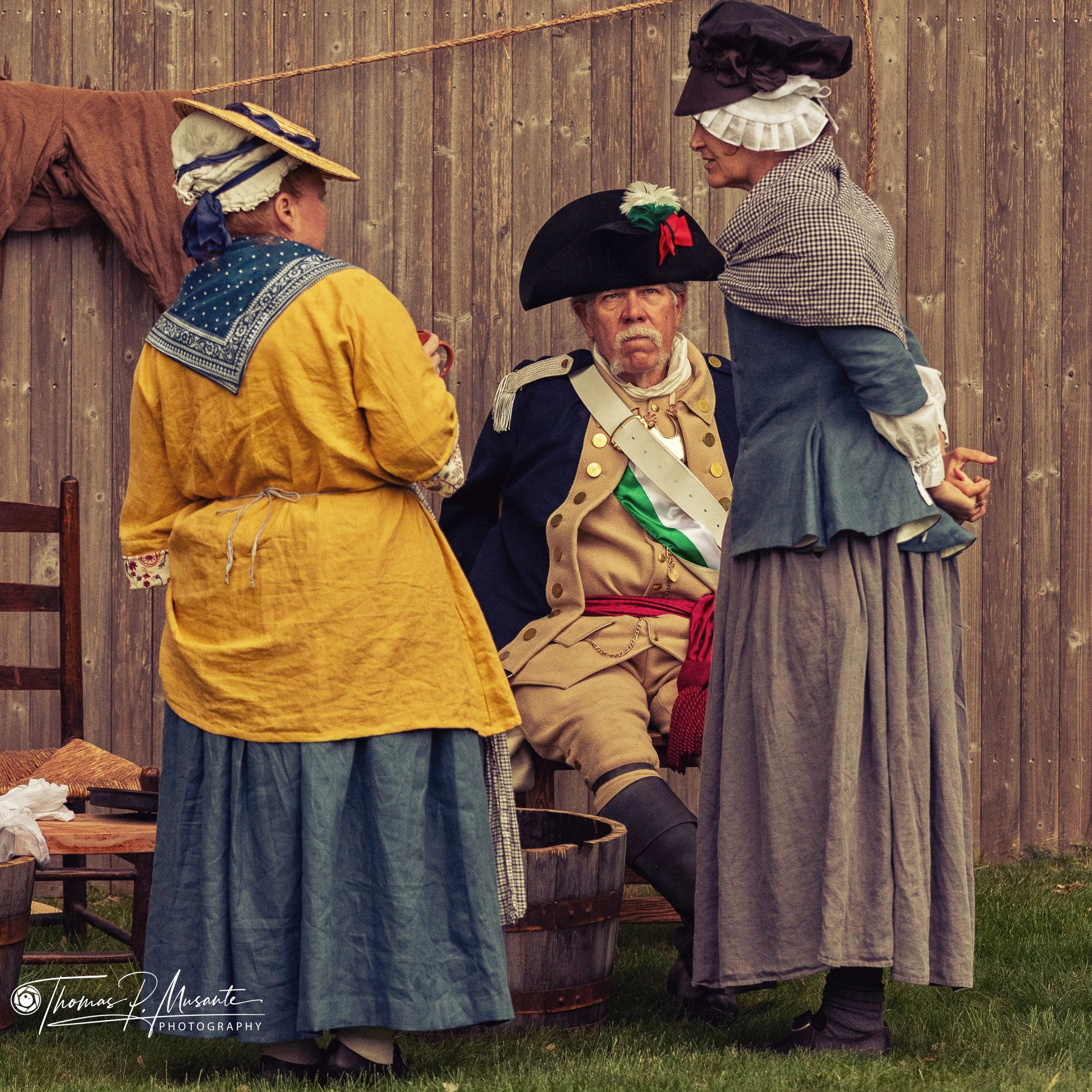
Wethersfield 250: Memorial Day in a New England Town
In May 1781, General George Washington met with French commander Comte de Rochambeau at the nearby Joseph Webb House to finalize plans for the Yorktown campaign — the decisive maneuver that effectively ended the war.
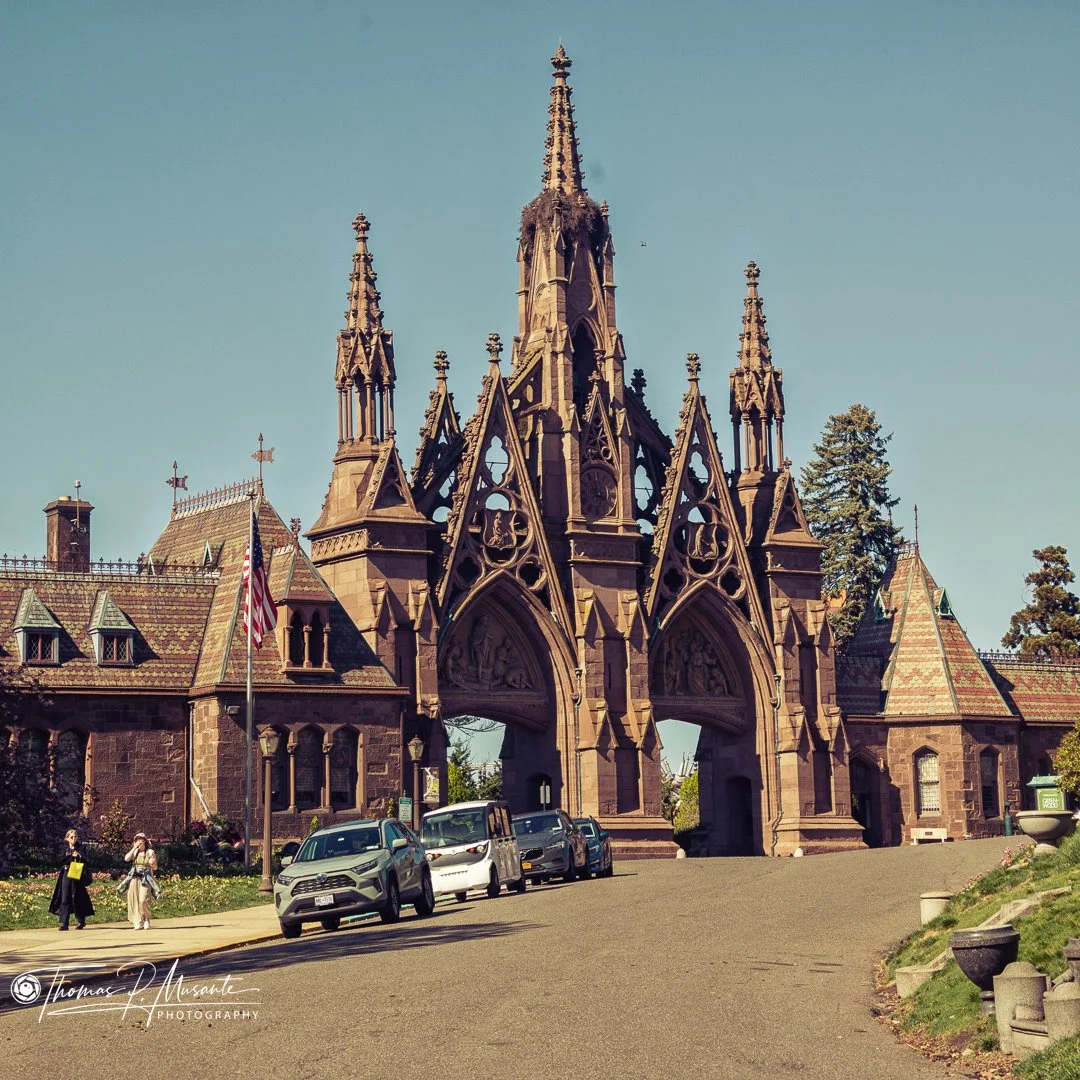
Green-Wood Cemetery - Brooklyn
Atop Battle Hill stands the Altar to Liberty, crowned with a bronze statue of Minerva, the Roman goddess of wisdom and strategic warfare.
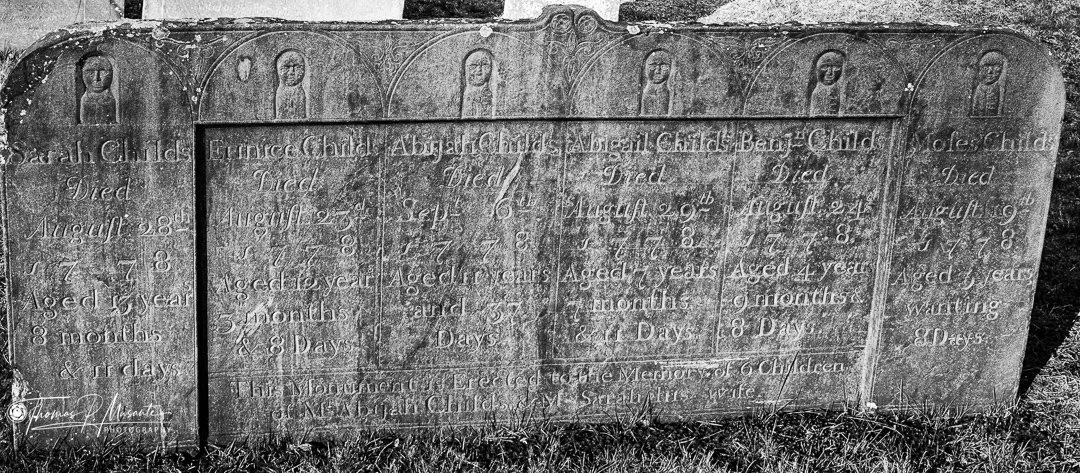
“Six Children of Abijah & Sarah Childs”
In the space of eighteen days in August–September 1778, Sarah (13), Eunice (12), Abijah (11), Abigail (7), Benjamin (4), and Moses (3) all died—most likely from smallpox or a similar epidemic that ravaged even rear-area towns during the Revolutionary War.
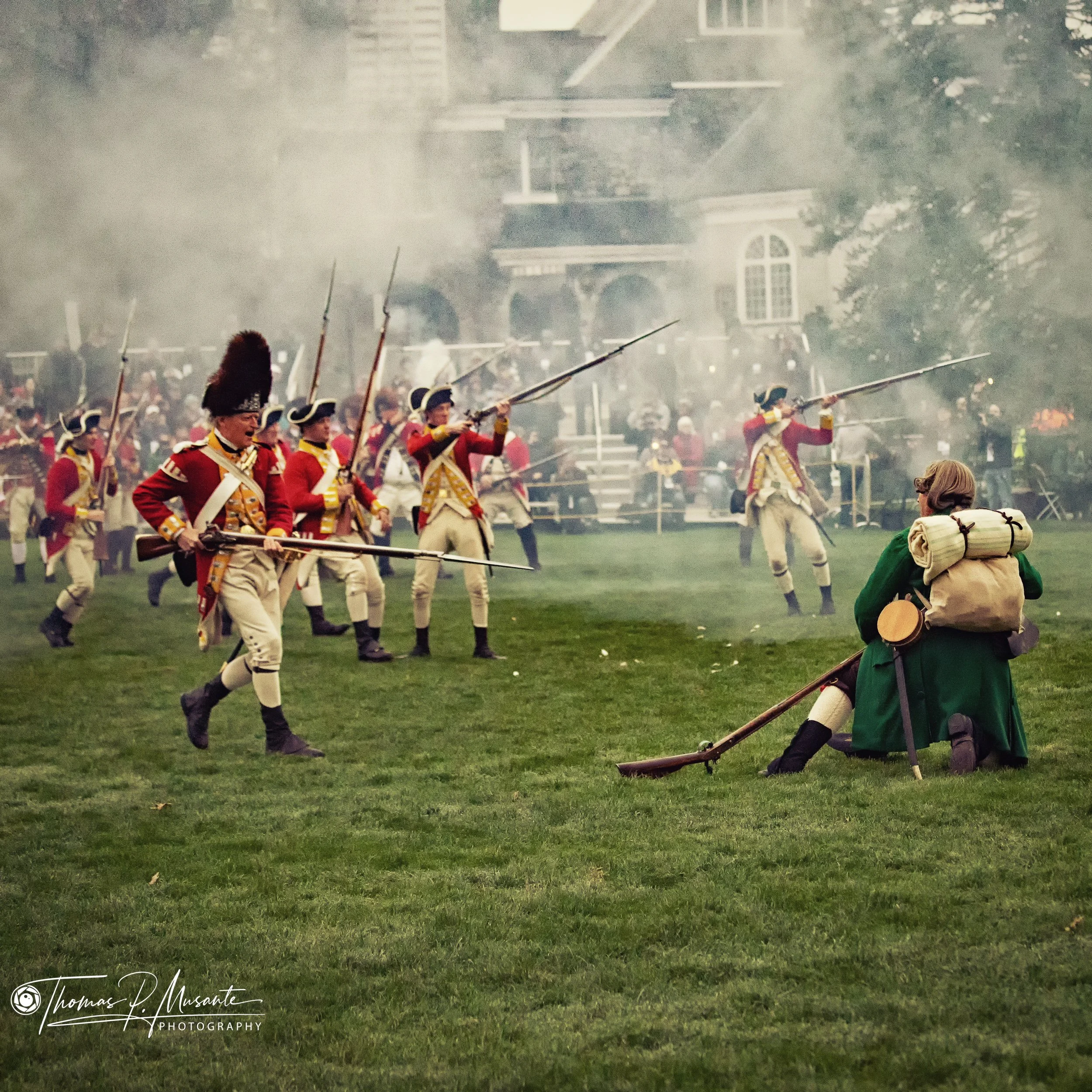
He Would Not Run: Jonas Parker on Lexington Green, April 19, 1775 (Reenacted, Patriots’ Day 2026)
In the cold dawn light on Lexington Battle Green, Jonas Parker — farmer, father, and one of the first Americans to fall — stands his ground. He had promised he would never run. He kept that promise.
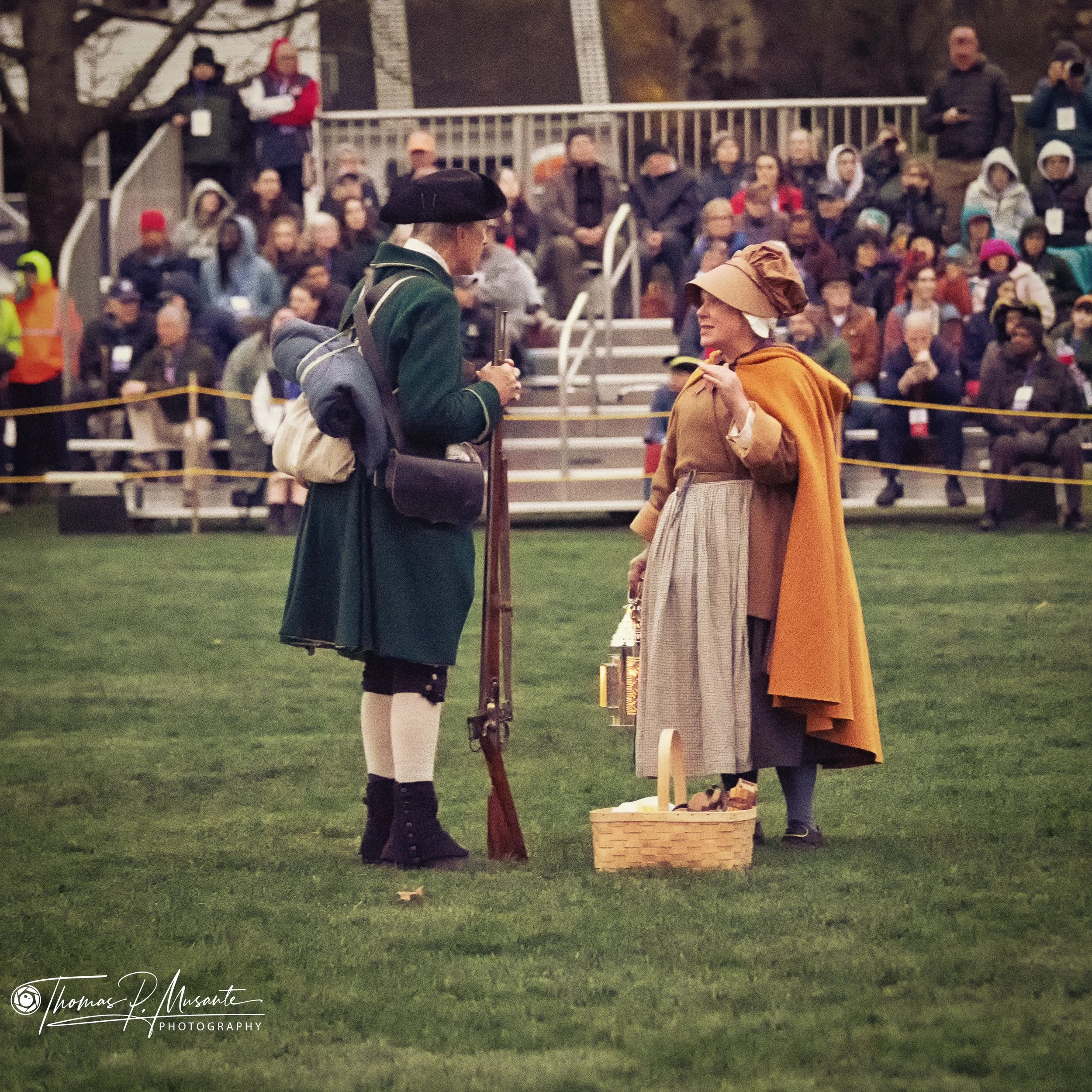
The Story of Isaac Hastings & the Man Who Brings Him Back to Life
Discover the story of Isaac Hastings, a 19-year-old Lexington farmer who stood with his father and brother on the Battle Green on April 19, 1775. Candid street photography from Patriots’ Day 2026 connects his citizen-soldier legacy to today’s reenactors for the 250th anniversary of the American Revolution.