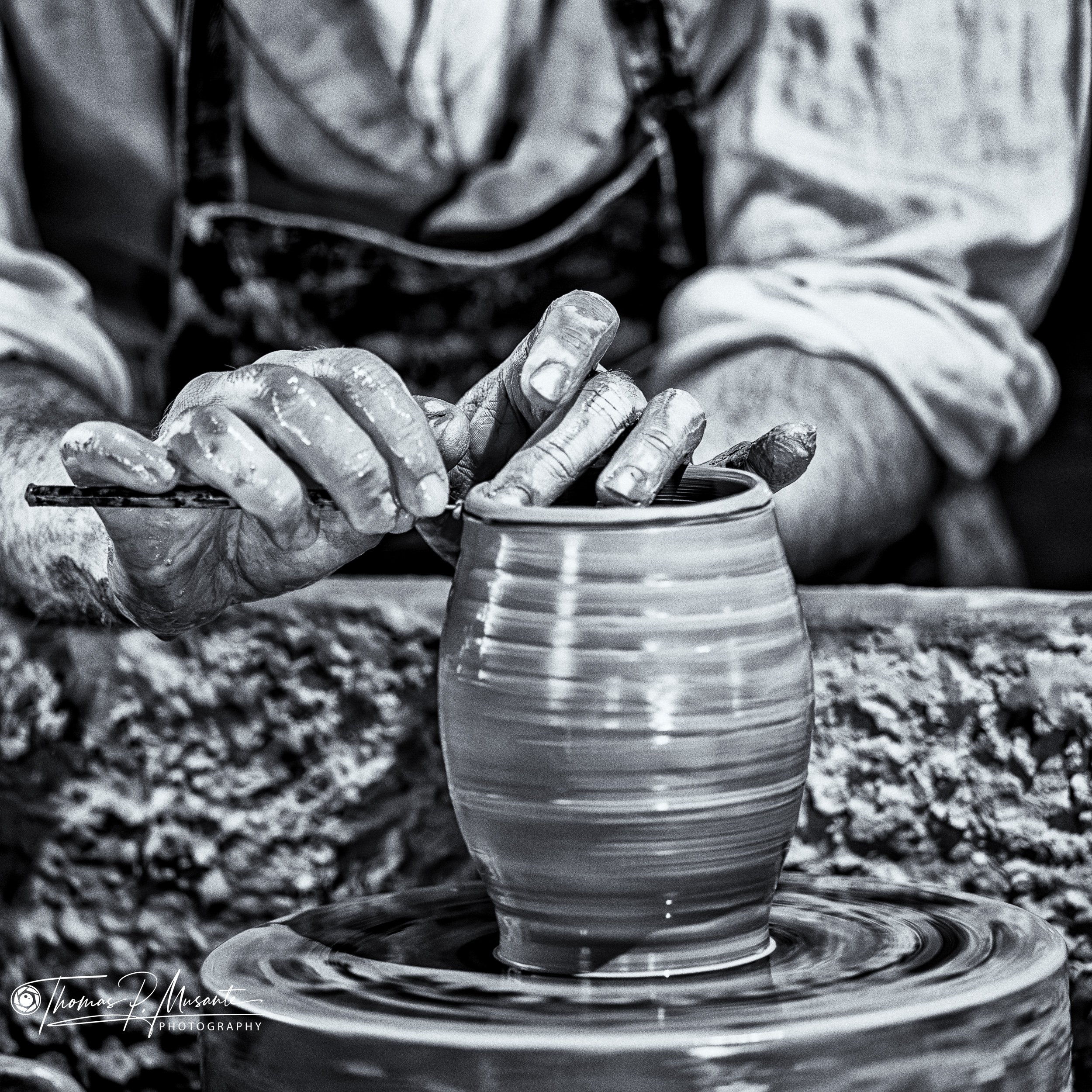
The Hands Tell a Story
Over the past several years I’ve had another running project focused (literally) on hands and the work they do. It was only natural that during my Rev250 project my eye would be drawn to reenactors’ hands performing 18th-century activities. These frames run from Lexington to Old Sturbridge Village and I’m sure there will be more in the weeks to come.

Shallow Graves and Marked Stones
The side that held the field usually directed the work, burying both its own dead and the enemy's. Local residents often assisted or finished the task once the troops had gone. Along the Battle Road after April 19, townspeople and farm families buried a number of the British soldiers left behind.
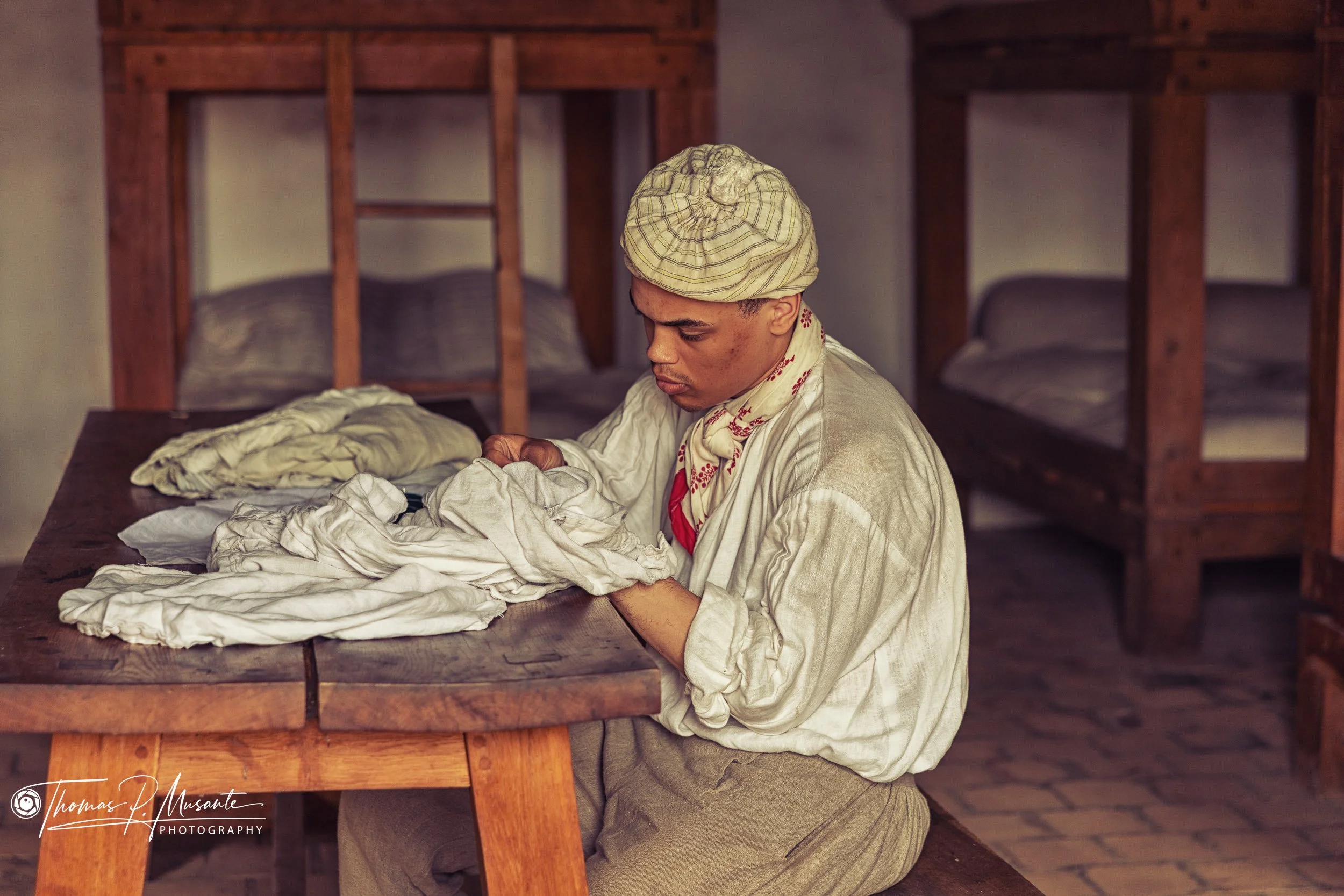
Sewing, Tailoring, and the Everyday Fight for Independence
A reenactor sits quietly bent over his work, needle moving in short, practiced strokes through a half-finished linen shirt. No one's watching. No musket fire, no drums, no crowd — just the quiet, repetitive work that a soldier's survival actually depended on. It's an unglamorous scene, and that's exactly why it matters. Long before a man ever shouldered a musket, someone had already spun, woven, and stitched the shirt on his back. In 1775, that work was as political as it was practical.
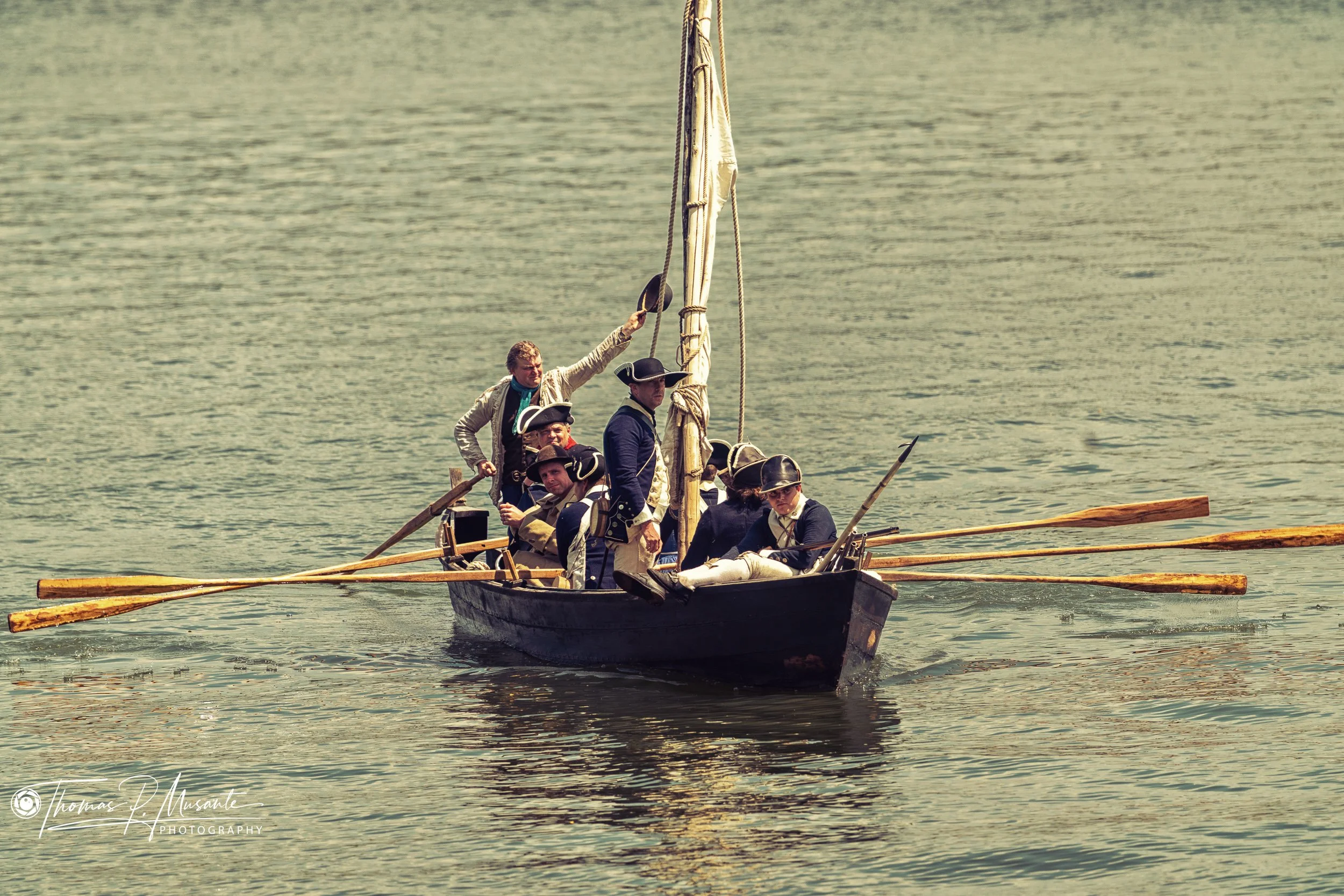
Bateaux Burden: Riverine Logistics, Human Cost, and the Return of an Army at Fort Ticonderoga 2026
This past weekend at Fort Ticonderoga, I captured living history that brought the Northern Continental Army’s 1776 struggles—and echoes of the 1775 Quebec campaign—vividly to life. As part of the REAL TIME REVOLUTION® Signature Reenactment Event “Return of an Army” (July 3–5, 2026), reenactors portrayed the arrival of exhausted troops by bateaux, care for the sick amid smallpox, and the delivery of cannon to fortify defenses.