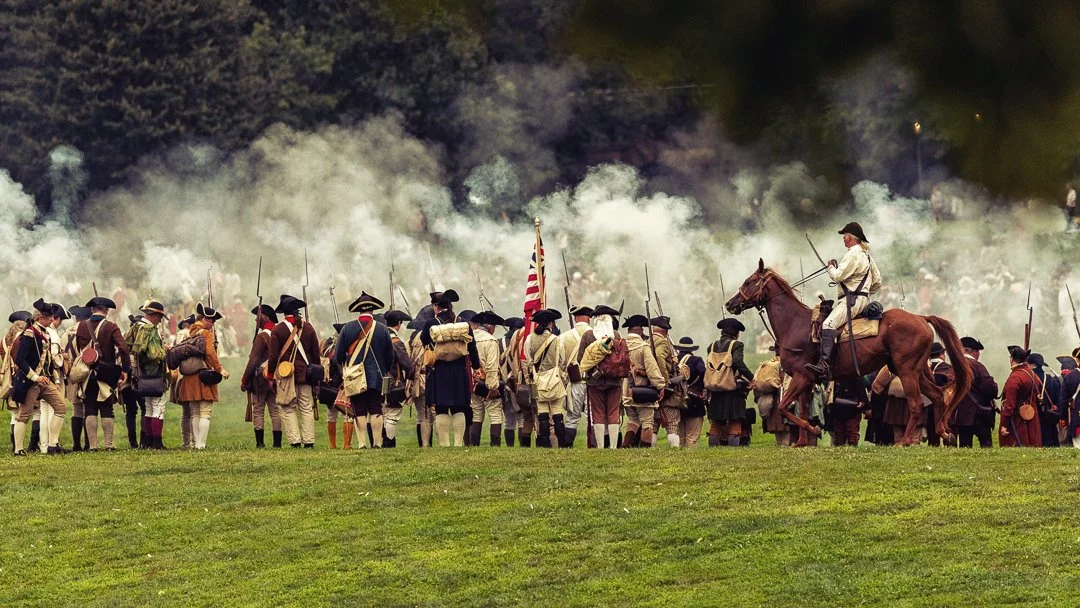
Through the Smoke: Communication on the Revolutionary Battle Field
In today's reenactments nothing is more ubiquitous than the precise beat of a unit's fife and drum corps. It's always a crowd favorite, spreads an aura of patriotism across the field and, of course, helps reenactors stay in step on the march. But staying in step, while important, was only part of the music's role in the 18th century.
2026 The Battle of Brooklyn – Portraits
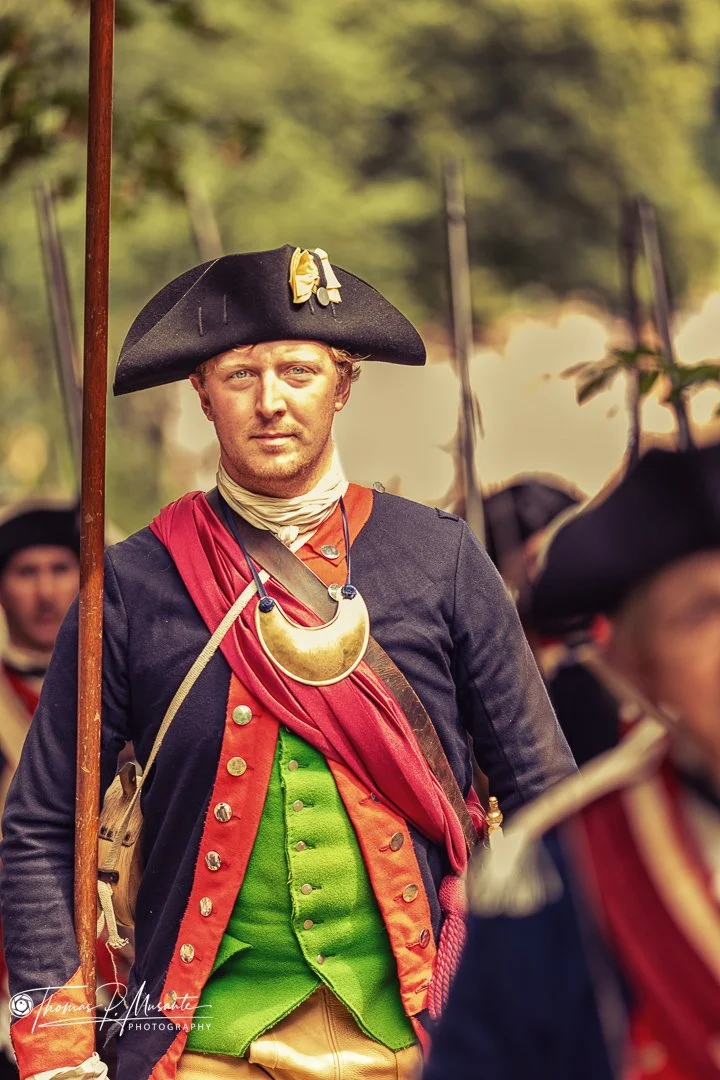
The more of these events I do the more I come to realize they all take on their own personalities regarding my images and what subjects I’m drawn to. For Brooklyn it was most definitely candid portraits and street scenes. I did capture compelling images of the battle and retreat, but in post-production I was drawn to the faces of this event. Please see my Battle of Brooklyn Gallery for the complete set of images.
Nobody Told the Twenty-First Century
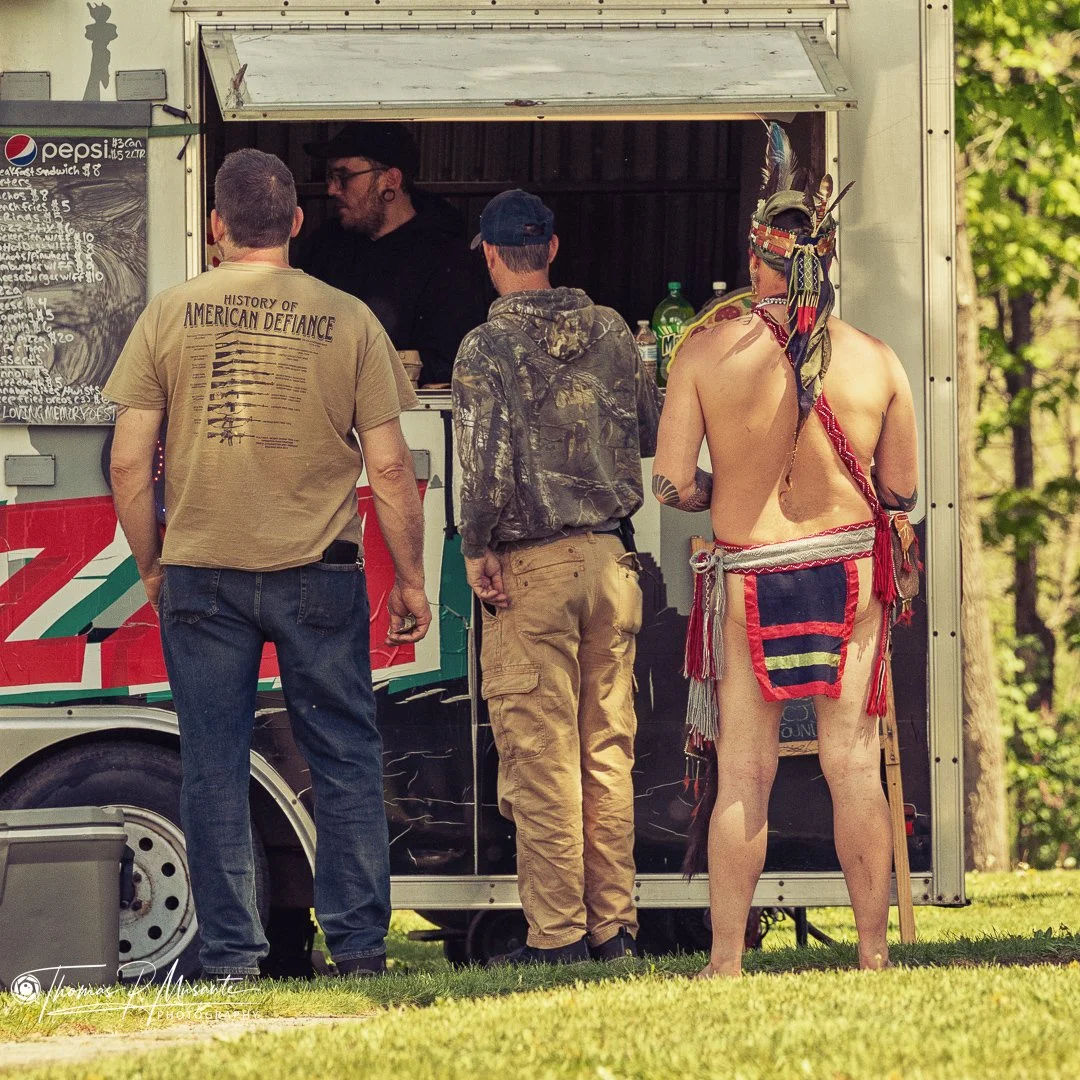
The Commander's Intent for this project says the goal is to reveal the human continuity between past and present. Where my eye goes is the seam between the two — the place where the eighteenth century and the twenty-first are pressed together hard enough that you can see the join.
Most photographers at these events are shooting the reenactment. I've gotten more interested in the collision.
The Hands Tell a Story
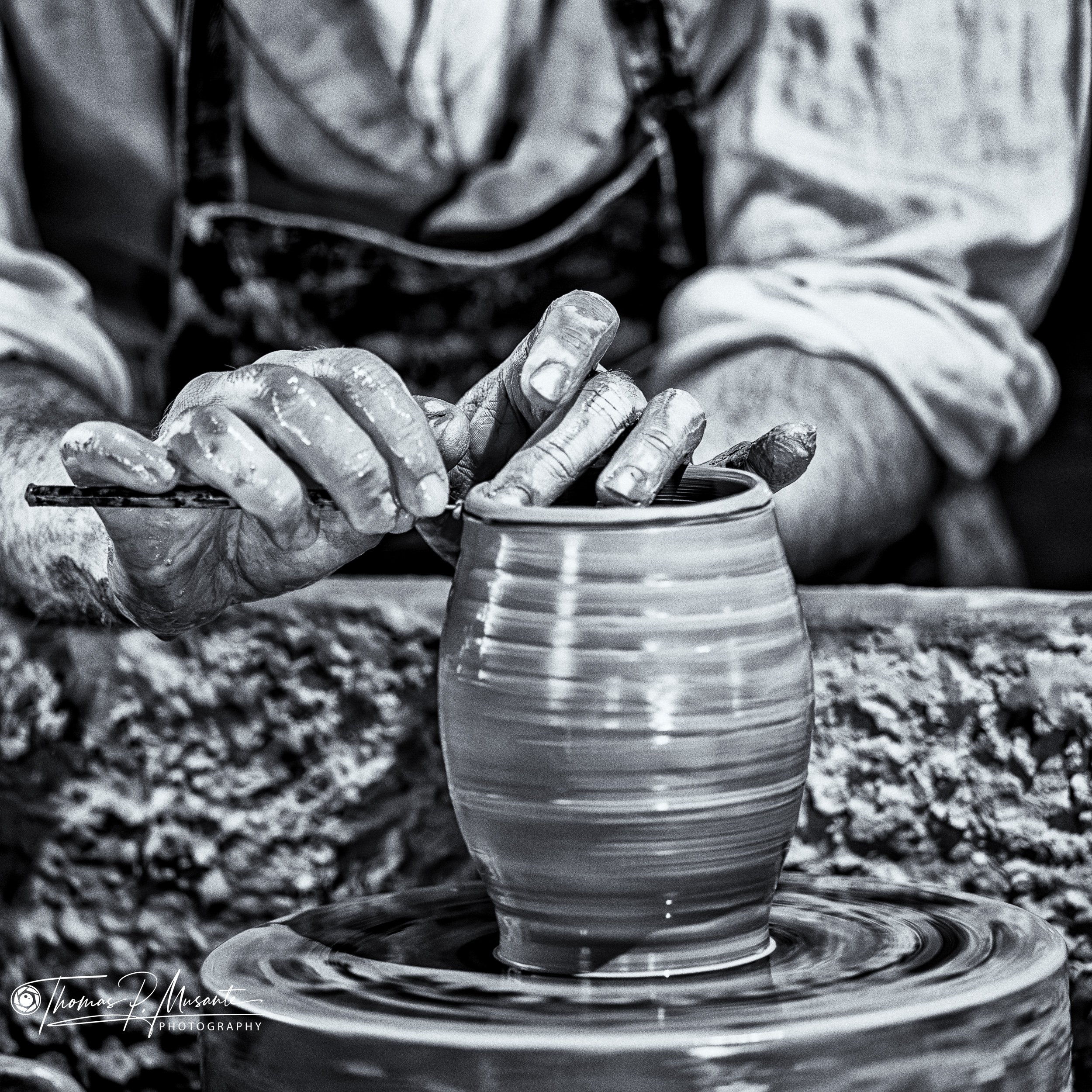
Over the past several years I’ve had another running project focused (literally) on hands and the work they do. It was only natural that during my Rev250 project my eye would be drawn to reenactors’ hands performing 18th-century activities. These frames run from Lexington to Old Sturbridge Village and I’m sure there will be more in the weeks to come.

Shallow Graves and Marked Stones
The side that held the field usually directed the work, burying both its own dead and the enemy's. Local residents often assisted or finished the task once the troops had gone. Along the Battle Road after April 19, townspeople and farm families buried a number of the British soldiers left behind.
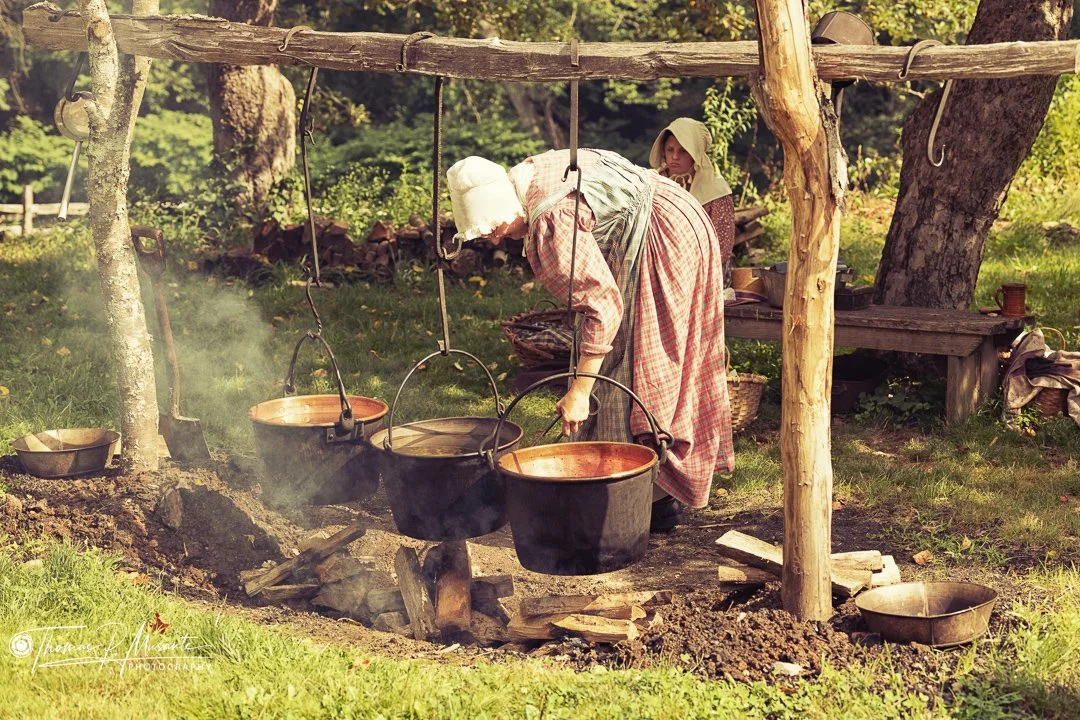
Where the Story Begins — Redcoats and Rebels at Old Sturbridge Village
The Village interprets the years 1790 to 1840, and its living history program is built around the 1830s. This is a world on the cusp of the industrial revolution, a rural economy tilting toward industry — a world that arrived a full half-century after Lexington Green. The museum opened in 1946 and now covers more than two hundred acres, with roughly forty antique buildings relocated from towns across New England and upstate New York, three water-powered mills, and a working farm.
Nothing about that description is Revolutionary. The men who fought at Concord would have been old men here, if they were alive at all.
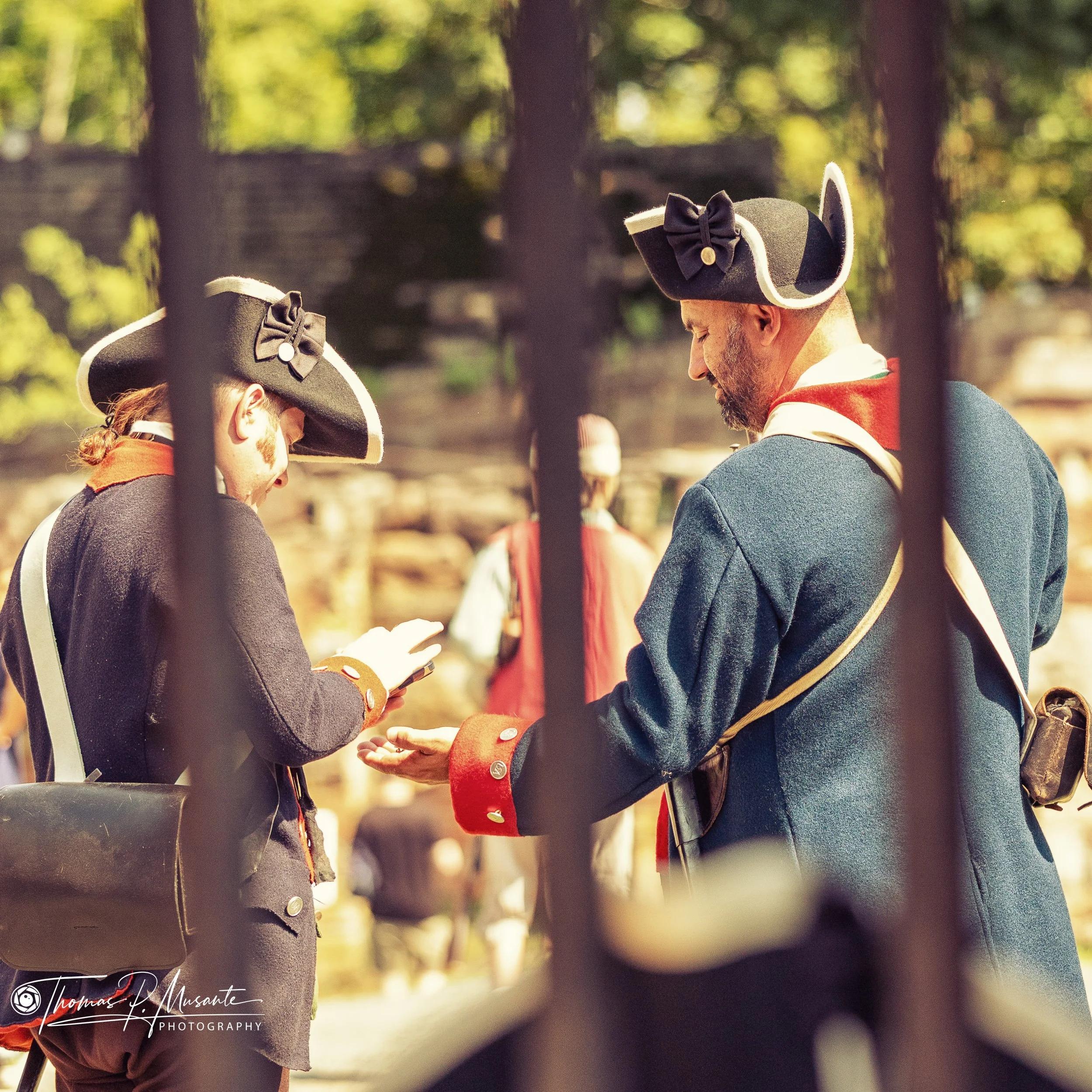
From Copper to Confinement Rev250 — Old New-Gate Prison & Copper Mine, East Granby, CT
In 1773, Connecticut converted the abandoned mine into New-Gate Prison — the first state prison in America. Inmates were lowered into the same shafts the miners had dug, sleeping on straw in caverns lit only by candlelight. During the Revolutionary War, New-Gate held Loyalists alongside the colony's criminal population — including men Washington himself ordered sent from his Cambridge headquarters during the Siege of Boston in December 1775, writing that they were 'flagrant and atrocious villains' too dangerous to keep near his camp. They were deliberately denied prisoner-of-war status, so they couldn't be pardoned or exchanged.
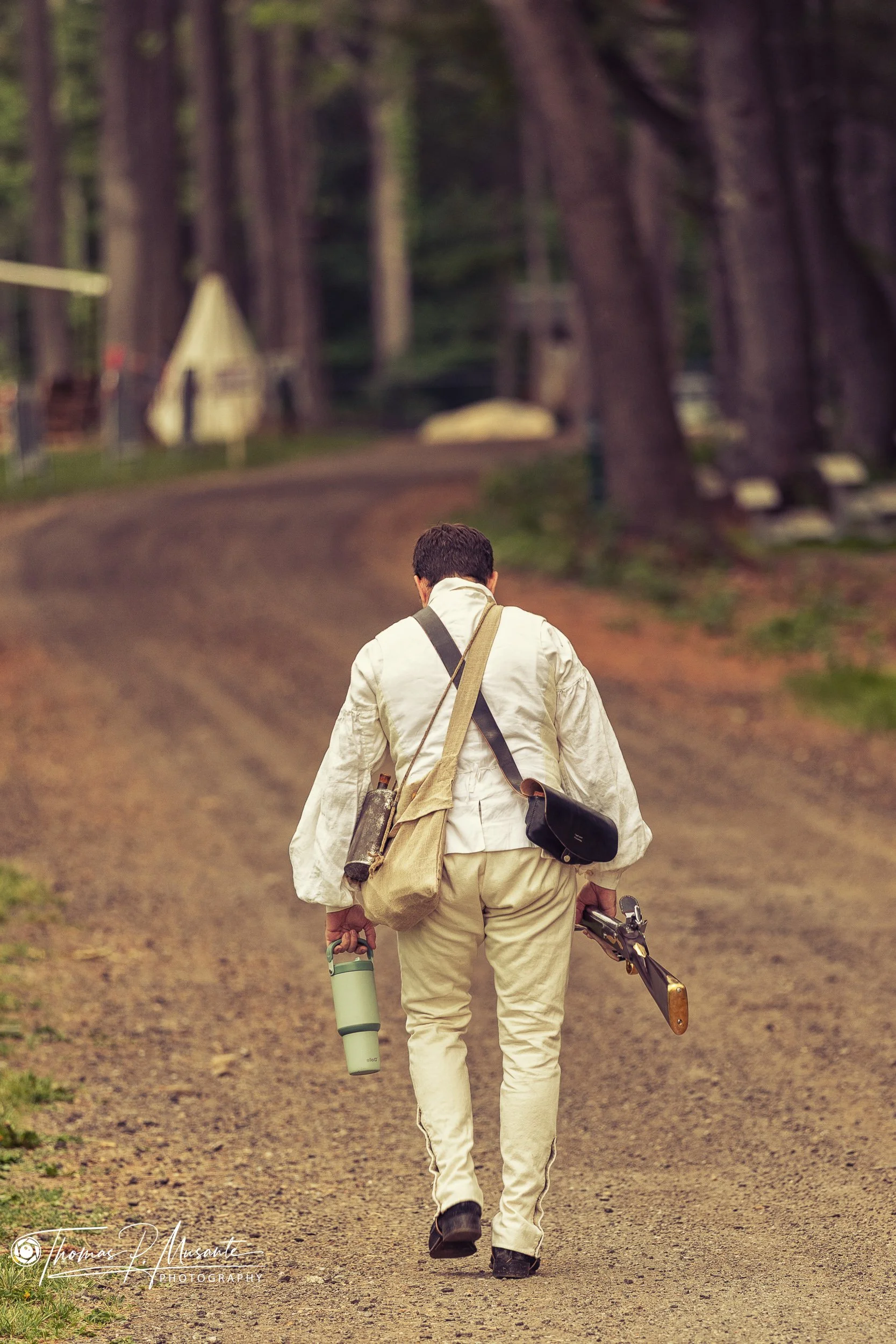
Community and Continuity in Reenactment Photography
In the early morning light before the June Putnam Heroes event in Carmel, New York, two reenactors walked quietly through the dew-covered grass, discussing how they expected the day to unfold. In that quiet moment, the 250th anniversary felt less like commemoration and more like continuation. This is the essence of my Rev 250 project: capturing the moments that connect 1776 to 2026 through candid observational photography.
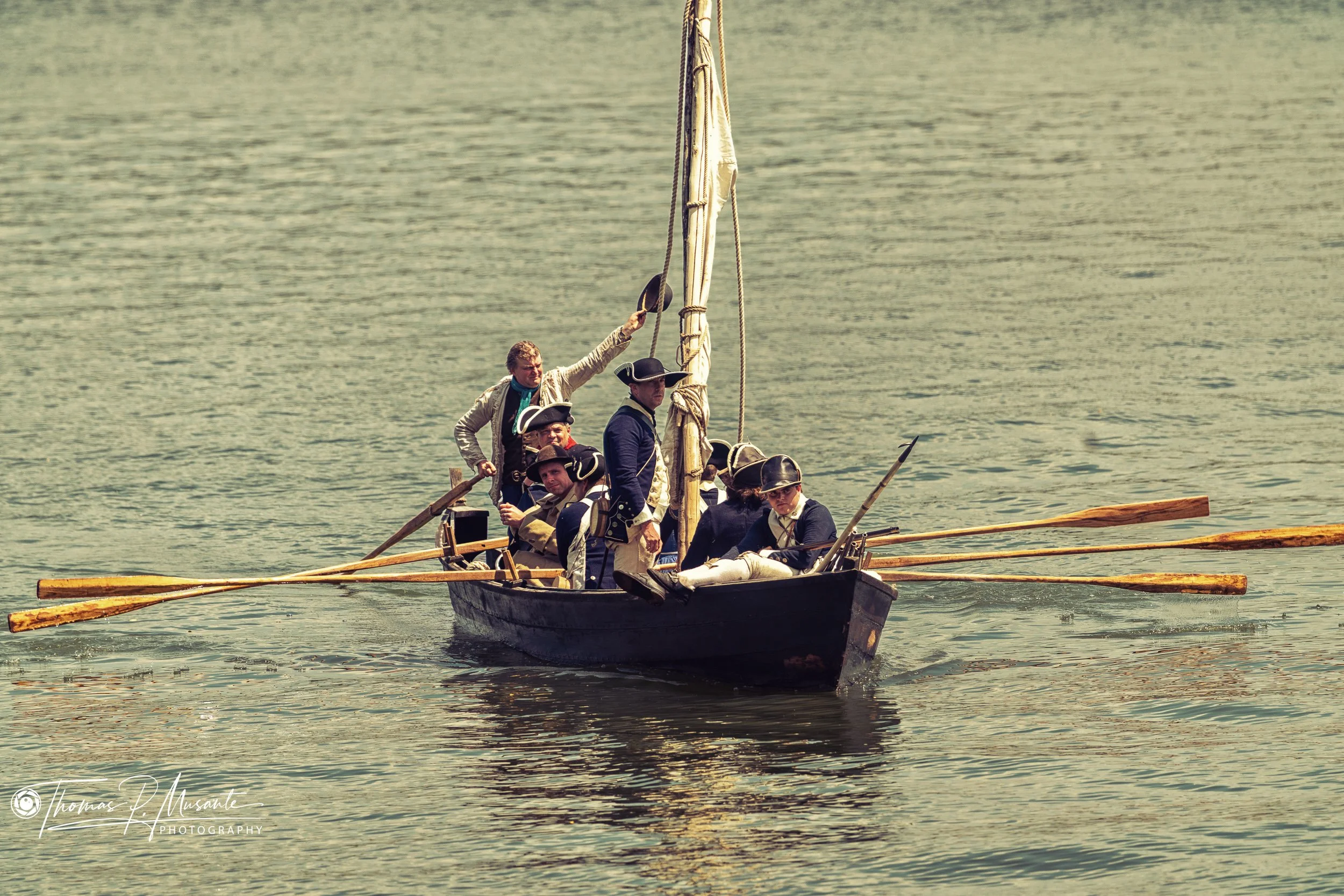
Bateaux Burden: Riverine Logistics, Human Cost, and the Return of an Army at Fort Ticonderoga 2026
This past weekend at Fort Ticonderoga, I captured living history that brought the Northern Continental Army’s 1776 struggles—and echoes of the 1775 Quebec campaign—vividly to life. As part of the REAL TIME REVOLUTION® Signature Reenactment Event “Return of an Army” (July 3–5, 2026), reenactors portrayed the arrival of exhausted troops by bateaux, care for the sick amid smallpox, and the delivery of cannon to fortify defenses.
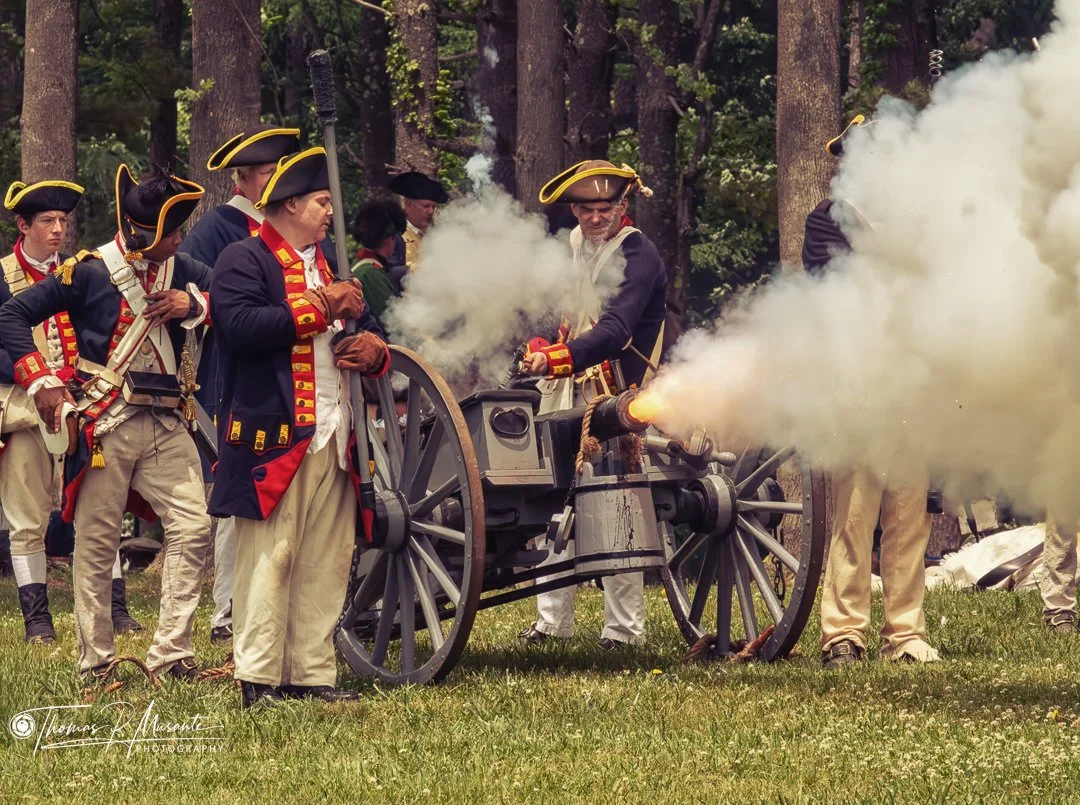
The Galloper's Bite: Small Guns, Big Impact in 1776–77
At the recent Putnam County Heroes Battle the Redcoats event in Carmel, NY, a compact iron 3-pounder cannon from 1777 roared to life once more. Nicknamed “gallopers” or “grasshoppers” (depending on the side) for their lively recoil and nimble movement across fields, these light field pieces delivered outsized punch in the fluid, hard-fought battles of the American Revolution.
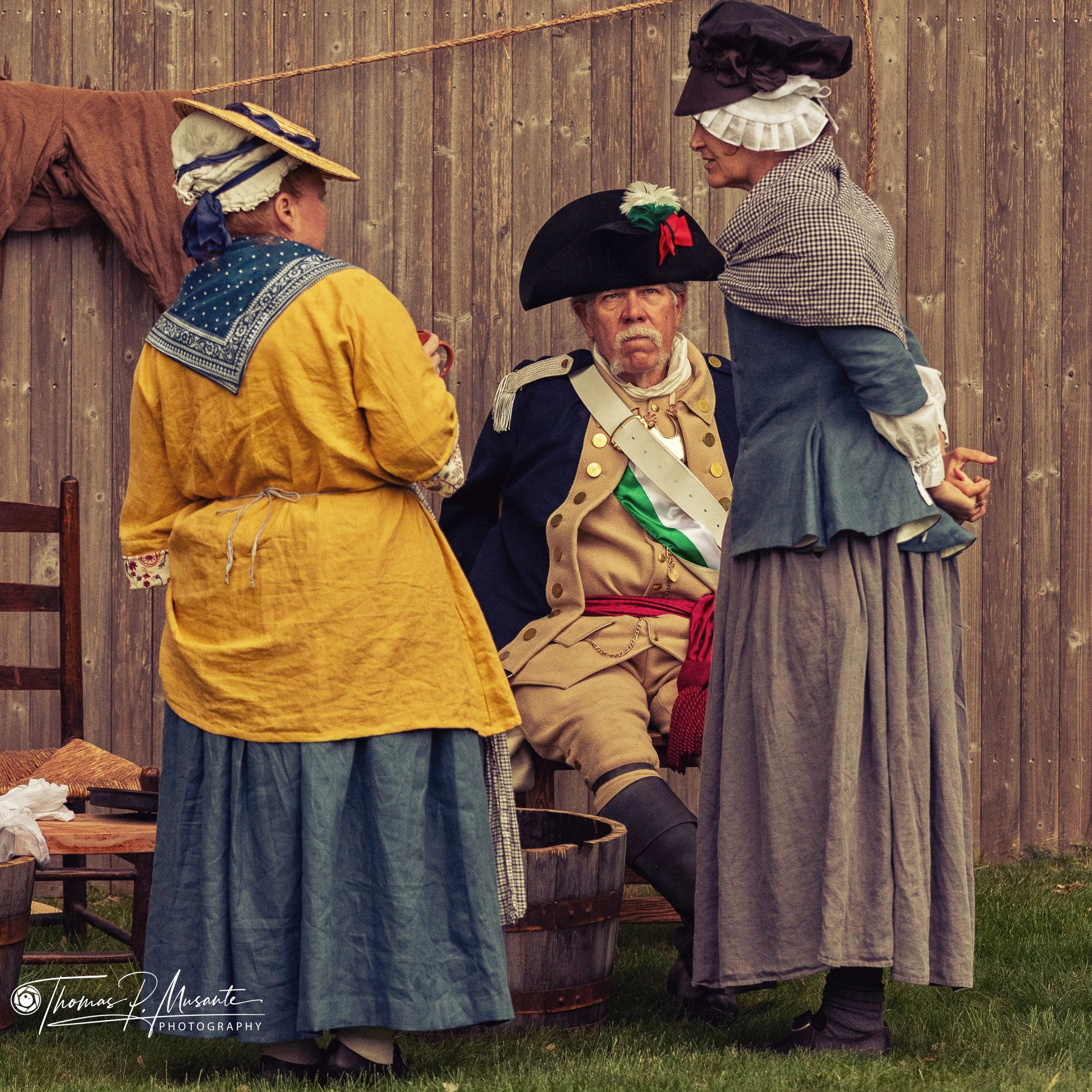
Wethersfield 250: Memorial Day in a New England Town
In May 1781, General George Washington met with French commander Comte de Rochambeau at the nearby Joseph Webb House to finalize plans for the Yorktown campaign — the decisive maneuver that effectively ended the war.
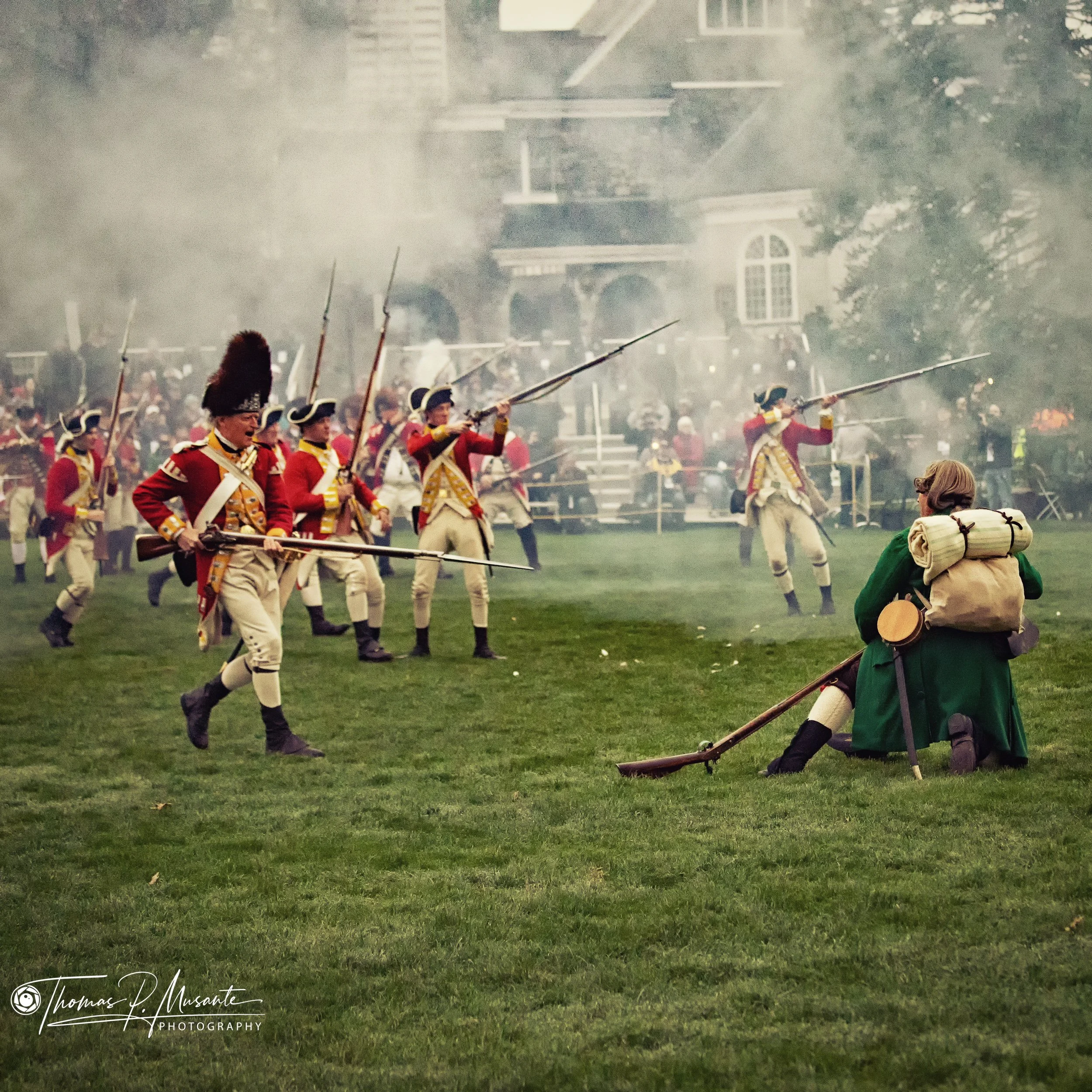
He Would Not Run: Jonas Parker on Lexington Green, April 19, 1775 (Reenacted, Patriots’ Day 2026)
In the cold dawn light on Lexington Battle Green, Jonas Parker — farmer, father, and one of the first Americans to fall — stands his ground. He had promised he would never run. He kept that promise.