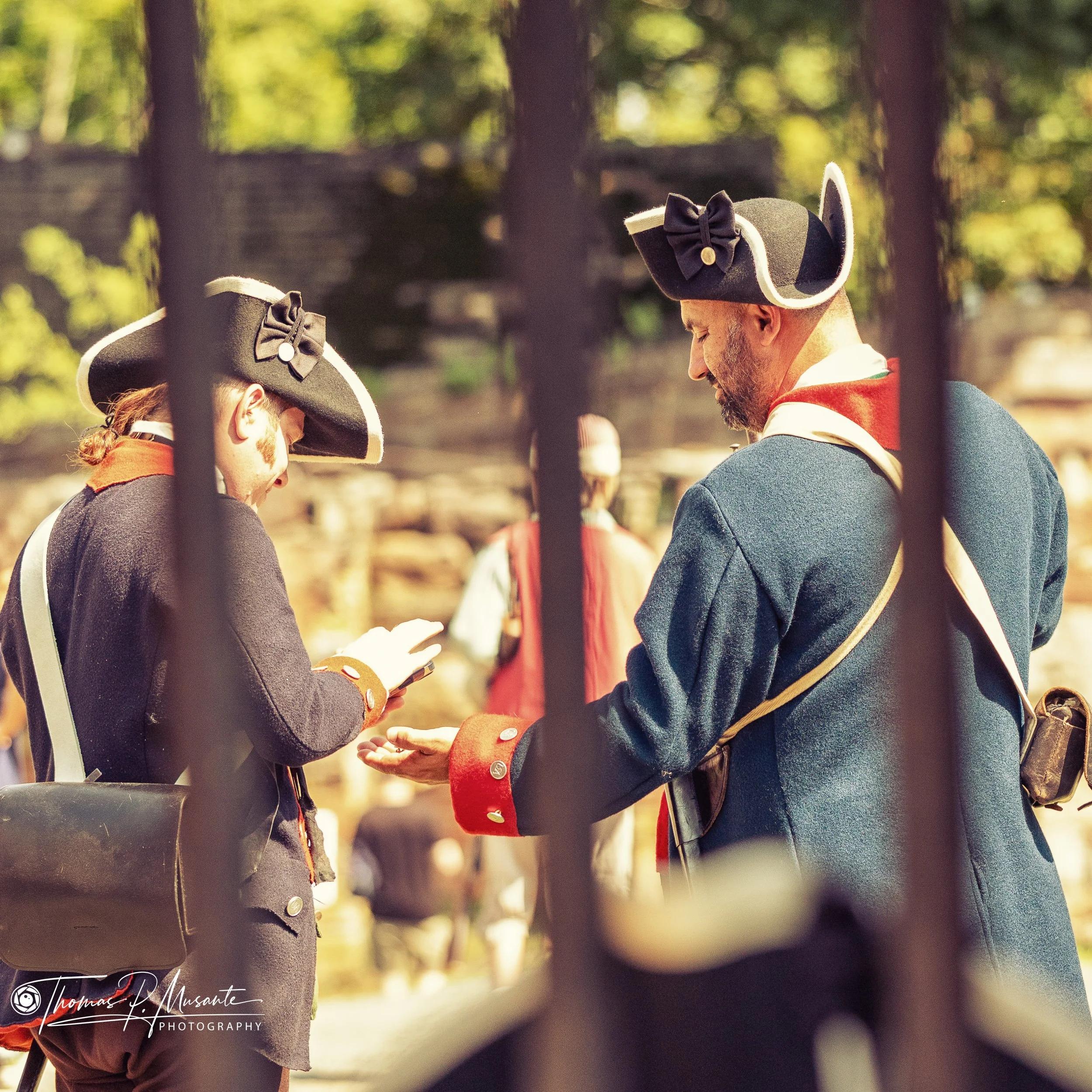
From Copper to Confinement Rev250 — Old New-Gate Prison & Copper Mine, East Granby, CT
In 1773, Connecticut converted the abandoned mine into New-Gate Prison — the first state prison in America. Inmates were lowered into the same shafts the miners had dug, sleeping on straw in caverns lit only by candlelight. During the Revolutionary War, New-Gate held Loyalists alongside the colony's criminal population — including men Washington himself ordered sent from his Cambridge headquarters during the Siege of Boston in December 1775, writing that they were 'flagrant and atrocious villains' too dangerous to keep near his camp. They were deliberately denied prisoner-of-war status, so they couldn't be pardoned or exchanged.
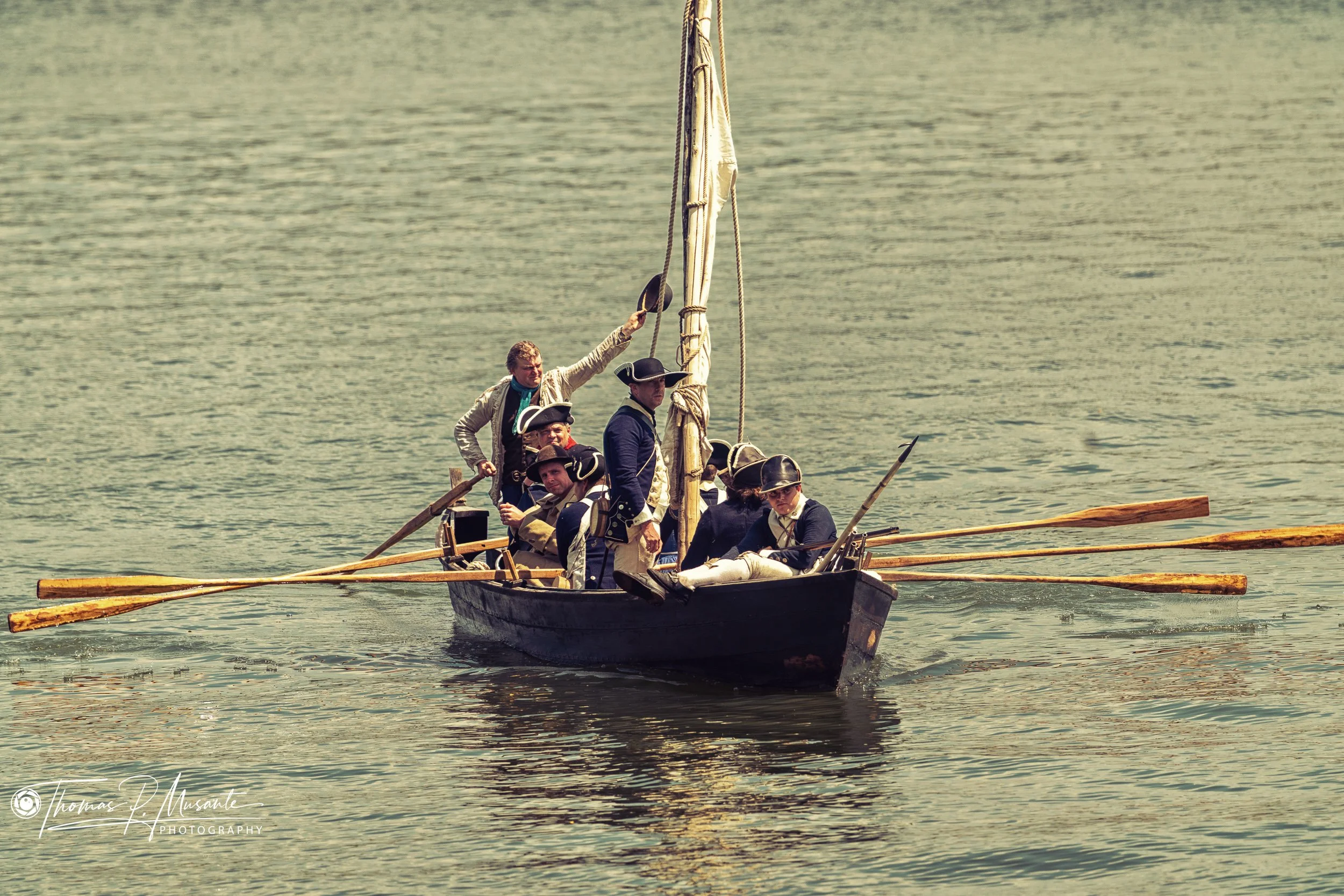
Bateaux Burden: Riverine Logistics, Human Cost, and the Return of an Army at Fort Ticonderoga 2026
This past weekend at Fort Ticonderoga, I captured living history that brought the Northern Continental Army’s 1776 struggles—and echoes of the 1775 Quebec campaign—vividly to life. As part of the REAL TIME REVOLUTION® Signature Reenactment Event “Return of an Army” (July 3–5, 2026), reenactors portrayed the arrival of exhausted troops by bateaux, care for the sick amid smallpox, and the delivery of cannon to fortify defenses.

Tobacco in Everyday Life
The Economy of Tobacco Tobacco was central to colonial life and economy. A major cash crop (especially in Virginia), it functioned as currency and helped fuel trade tensions leading to the war. Production shifted toward food crops during the conflict, but the leaf remained a cultural constant.
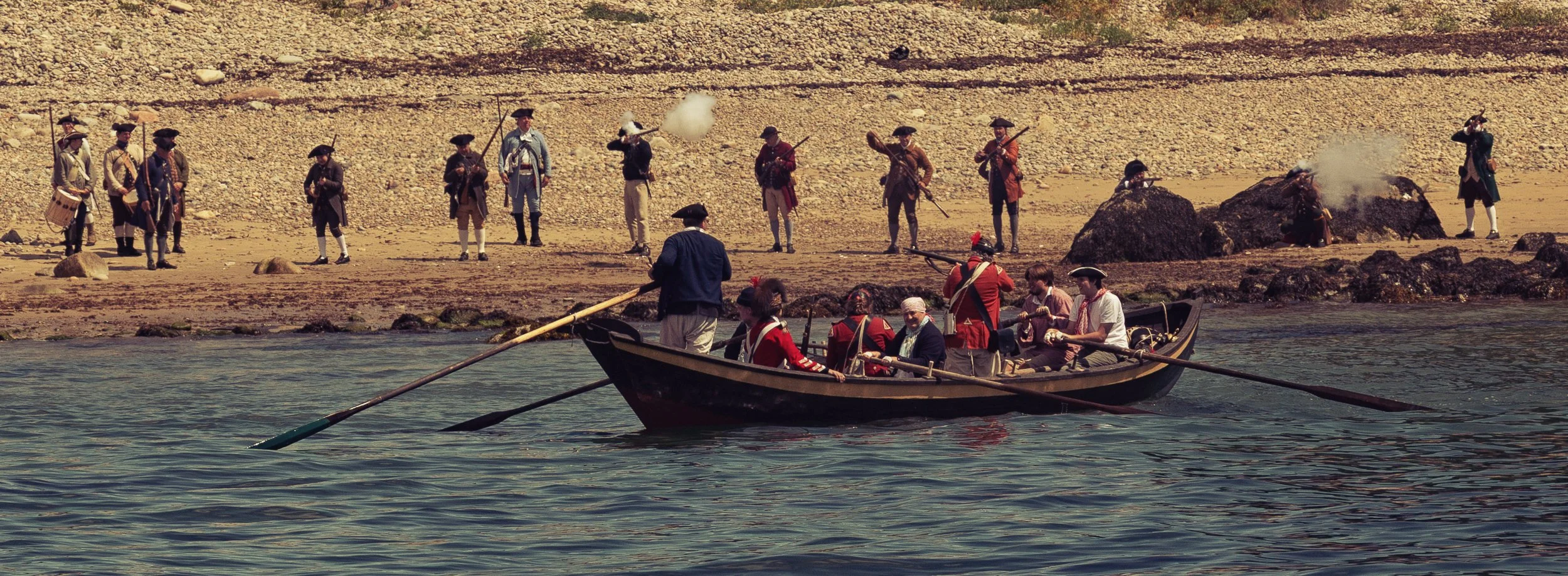
Longboats: Unsung Workhorses of the Revolutionary War
During the recent Gloucester reenactment, the sight of longboats pulling hard toward shore brought the tactics of 1775 vividly to life. Oars cutting through the water, spray flying, and the determined faces of the crews—it was a powerful reminder of how these small craft shaped coastal operations throughout the American Revolution.
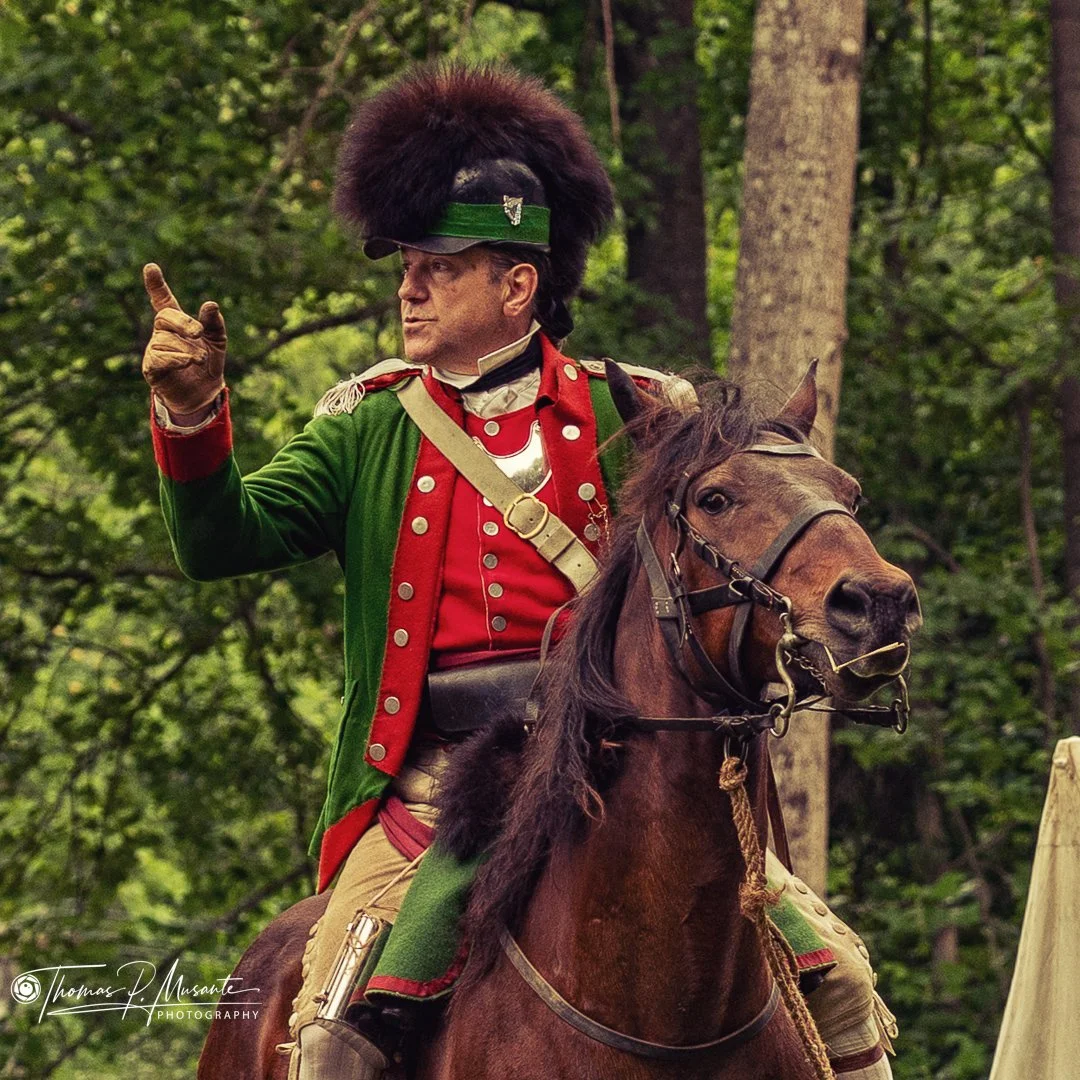
4th Light Dragoons – Moylan’s Horse
At the Putnam County Heroes Battle the Redcoats event on June 6, 2026, at Veterans Memorial Park in Carmel, NY, members of the 4th Light Dragoons – Moylan’s Horse provided a striking mounted escort for George Washington. Their green uniforms created a vivid presence amid the local 250th commemoration, offering excellent opportunities to document cavalry in action during drills, formations, and escort duties.
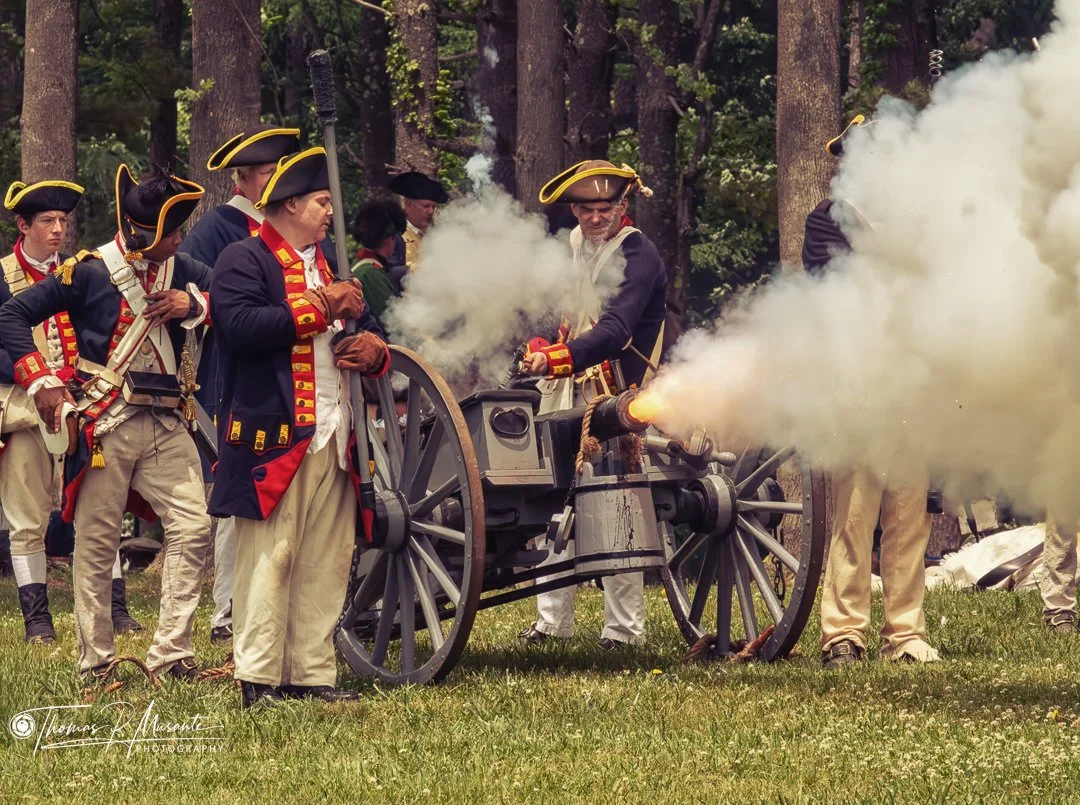
The Galloper's Bite: Small Guns, Big Impact in 1776–77
At the recent Putnam County Heroes Battle the Redcoats event in Carmel, NY, a compact iron 3-pounder cannon from 1777 roared to life once more. Nicknamed “gallopers” or “grasshoppers” (depending on the side) for their lively recoil and nimble movement across fields, these light field pieces delivered outsized punch in the fluid, hard-fought battles of the American Revolution.
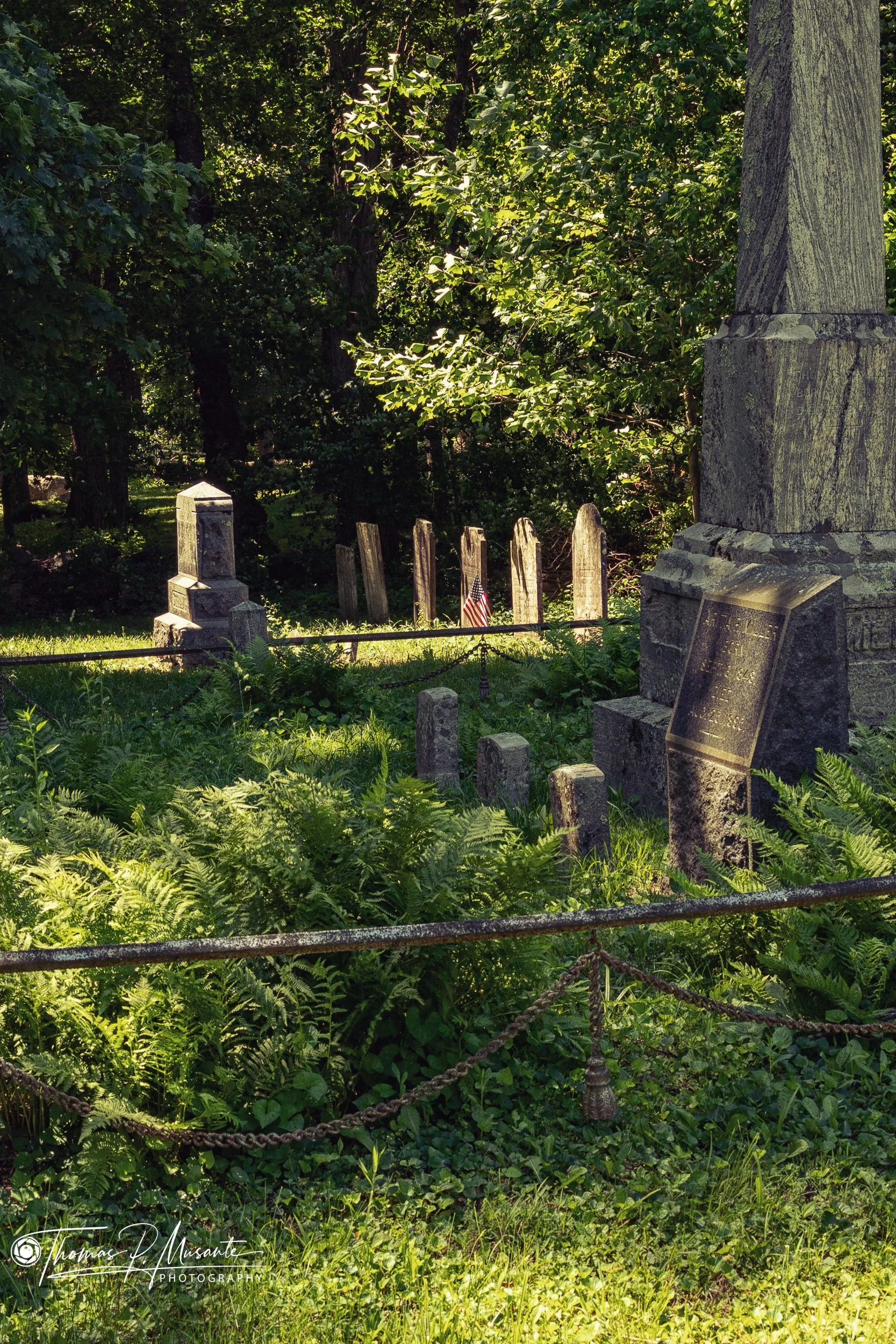
Quiet Stones – Jacob Lent and Tomahawk Chapel Cemetery
In the heart of suburban Westchester, just minutes from home, lies one of the most intimate Revolutionary War sites I’ve encountered. Tomahawk Chapel Cemetery doesn’t shout for attention. No grand monuments or battle reenactments here. Just weathered headstones, filtered morning light through old trees, and the quiet final resting place of men who actually answered the call in 1775–1783
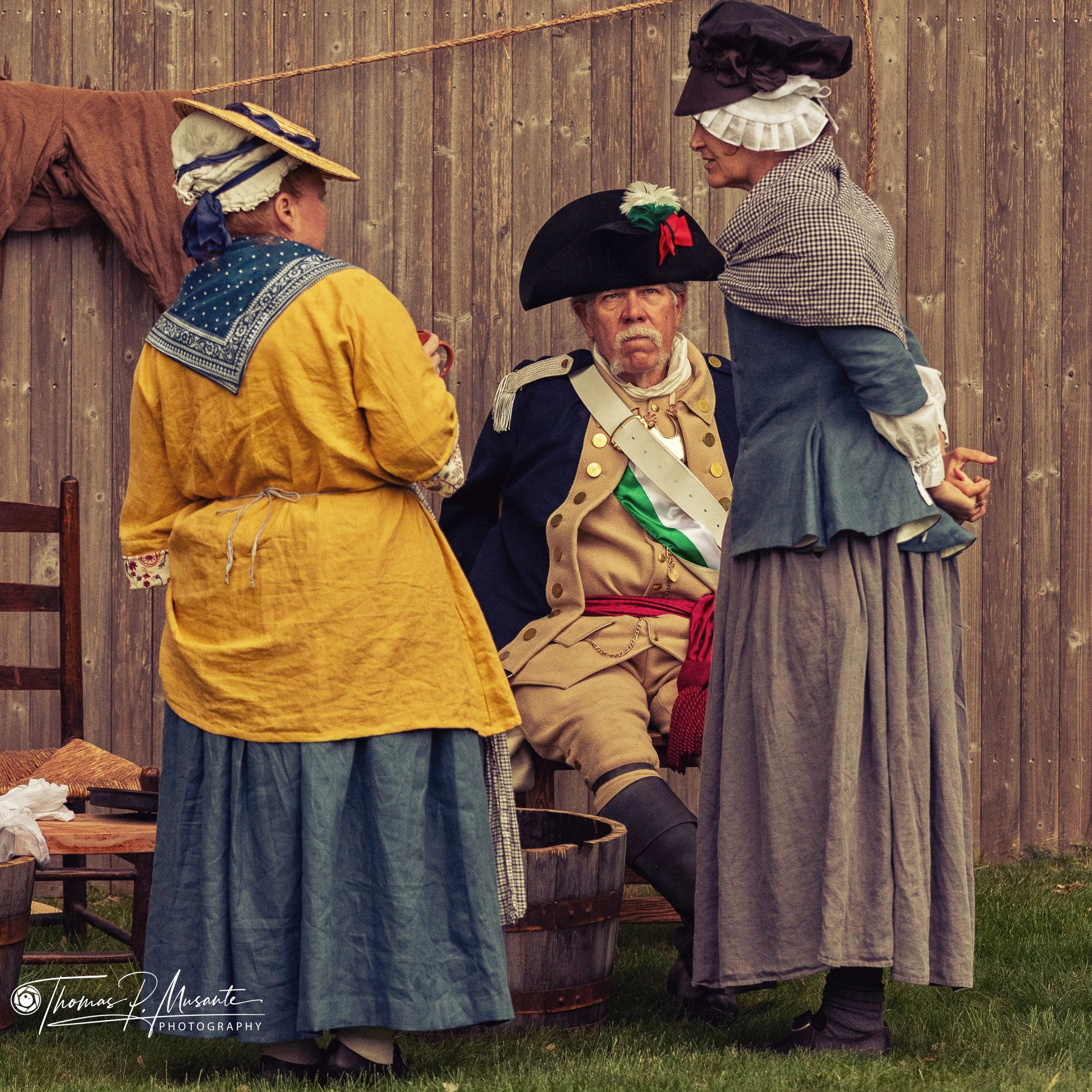
Wethersfield 250: Memorial Day in a New England Town
In May 1781, General George Washington met with French commander Comte de Rochambeau at the nearby Joseph Webb House to finalize plans for the Yorktown campaign — the decisive maneuver that effectively ended the war.
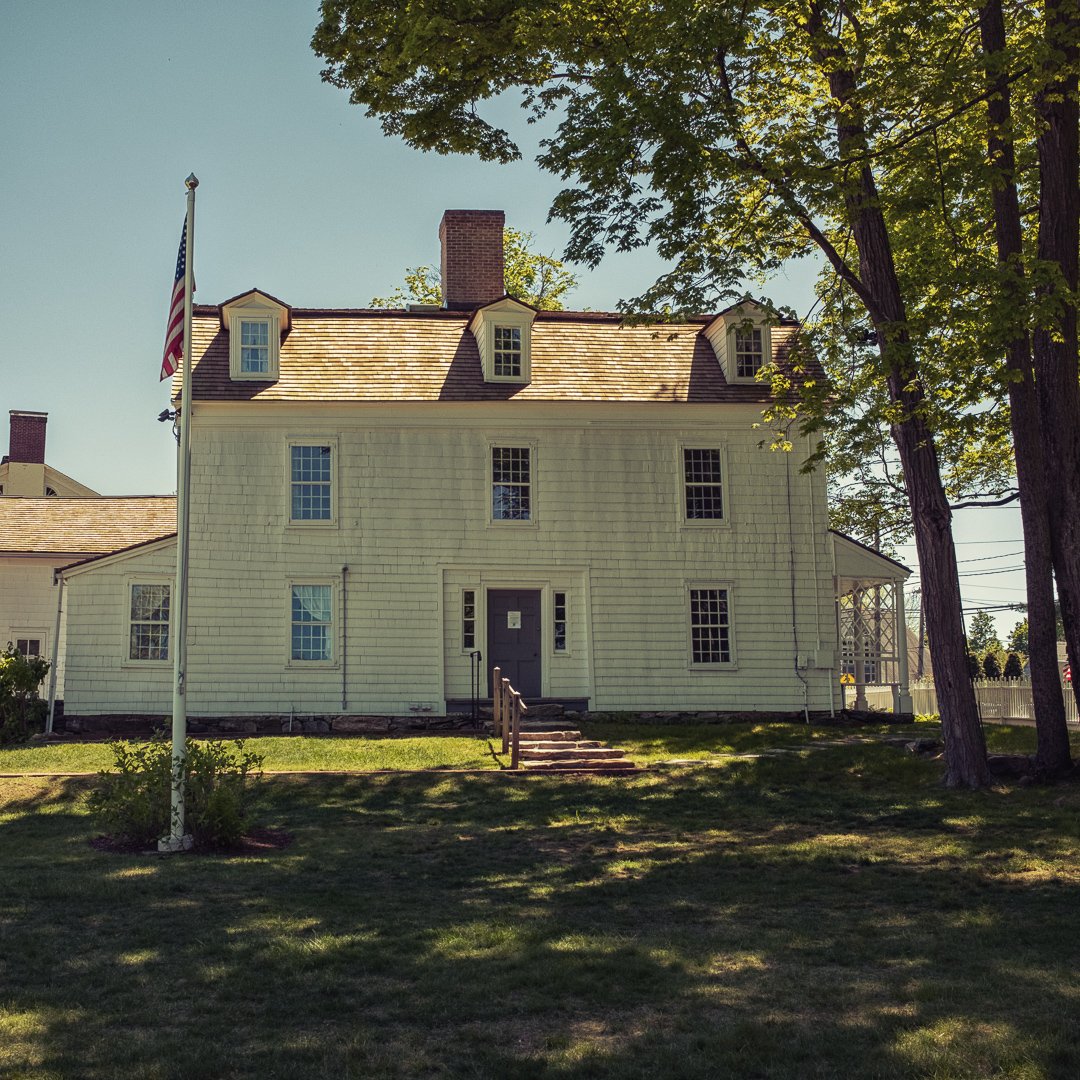
The Cannonball and the Tavern: The Story of Keeler Tavern
The Revolutionary period thrust the modest tavern directly into the conflict. As tensions with Britain grew, the inn served as a Patriot hub: secret meetings were held upstairs and, according to tradition, musket balls were produced in the basement.
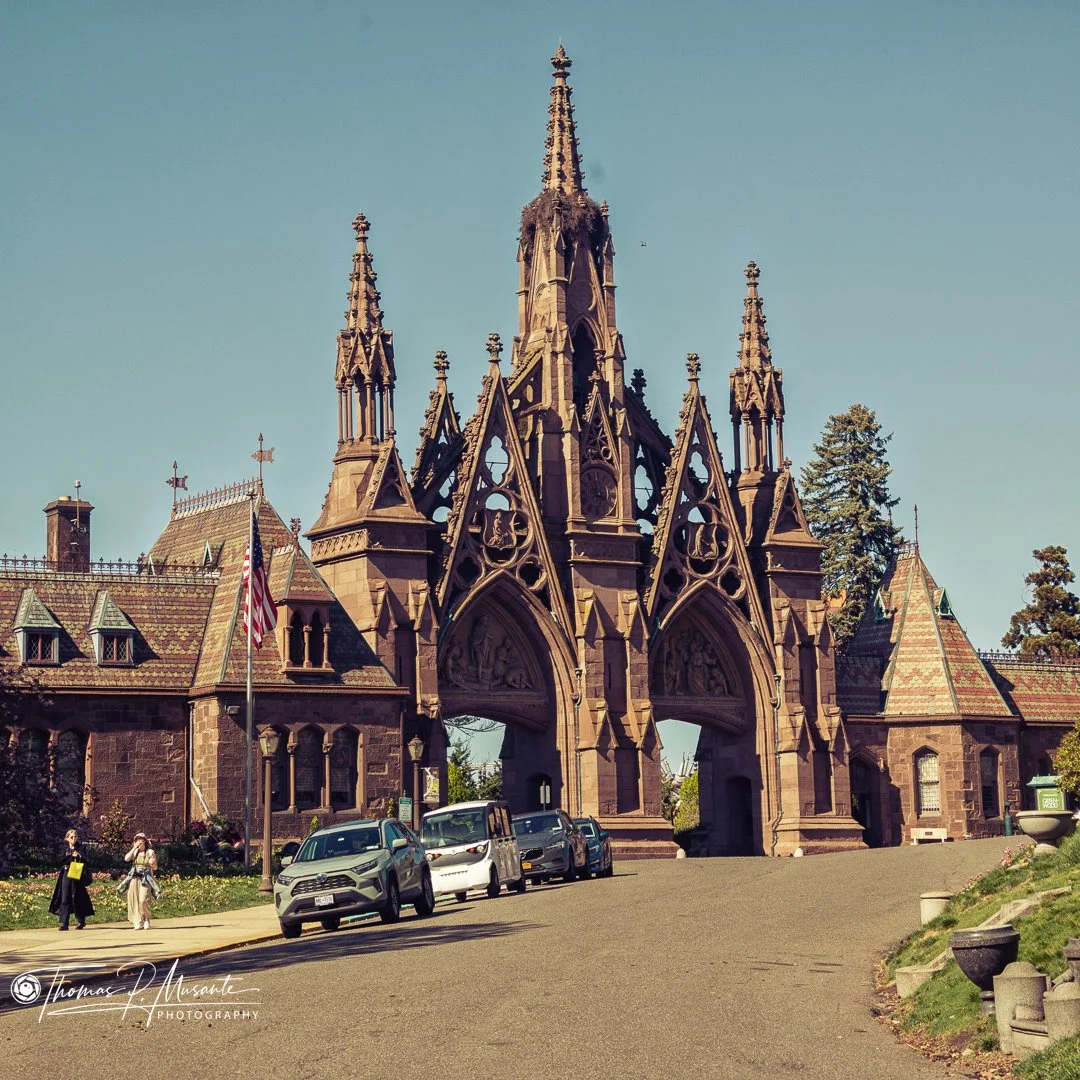
Green-Wood Cemetery - Brooklyn
Atop Battle Hill stands the Altar to Liberty, crowned with a bronze statue of Minerva, the Roman goddess of wisdom and strategic warfare.
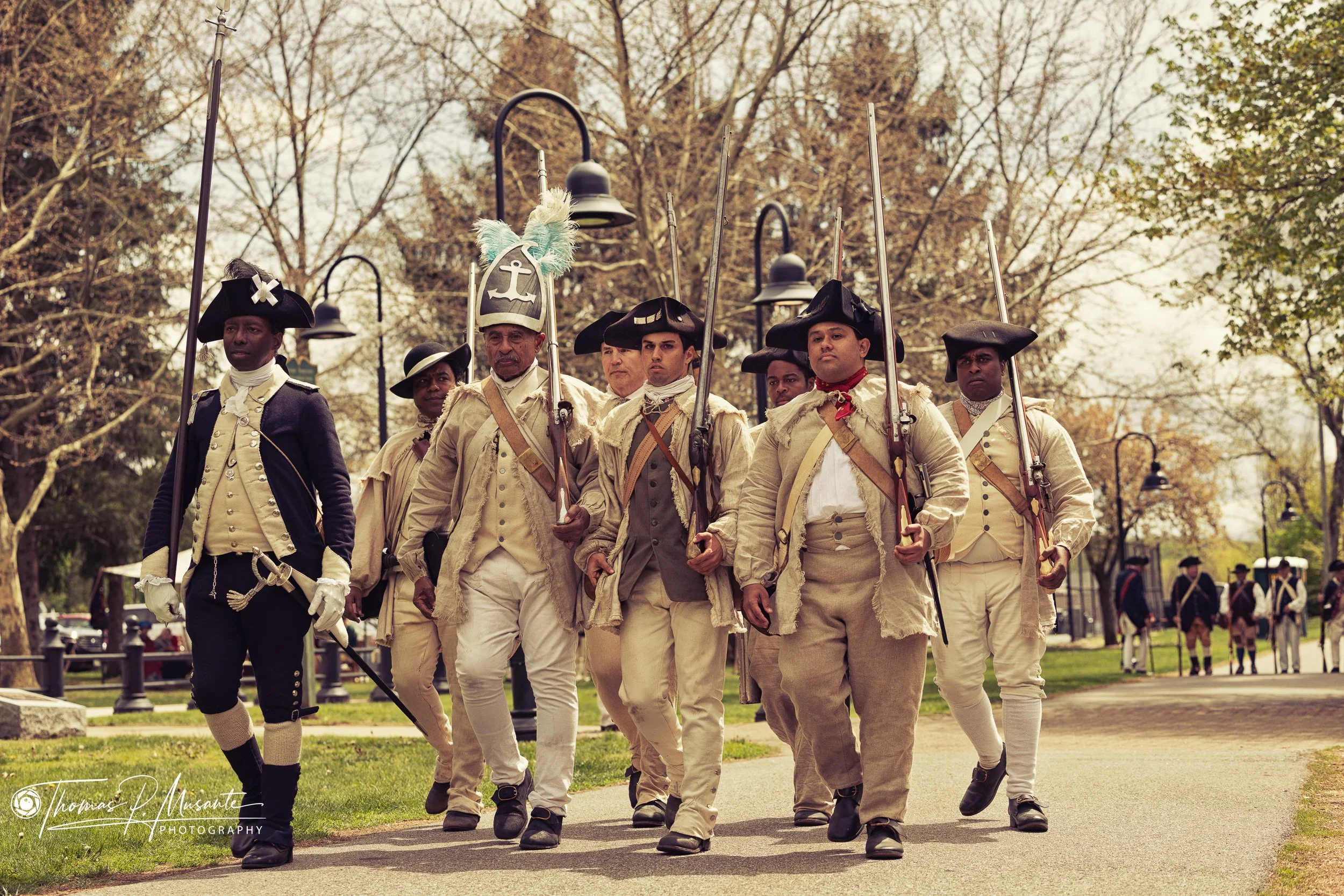
BLOODY AMBUSH AT PINES BRIDGE: HEROES SLAUGHTERED IN WESTCHESTER
Dawn turned deadly when a pack of Tory “Cowboys” from De Lancey’s New York Volunteers slammed into the Continental outpost at Pines Bridge on the Croton River.
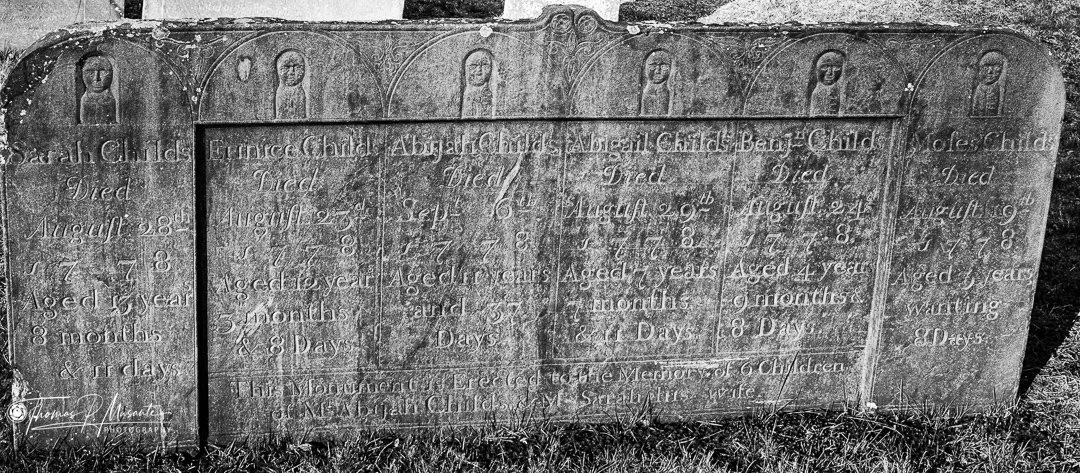
Six Children of Abijah & Sarah Childs
In the space of eighteen days in August–September 1778, Sarah (13), Eunice (12), Abijah (11), Abigail (7), Benjamin (4), and Moses (3) all died—most likely from smallpox or a similar epidemic that ravaged even rear-area towns during the Revolutionary War.
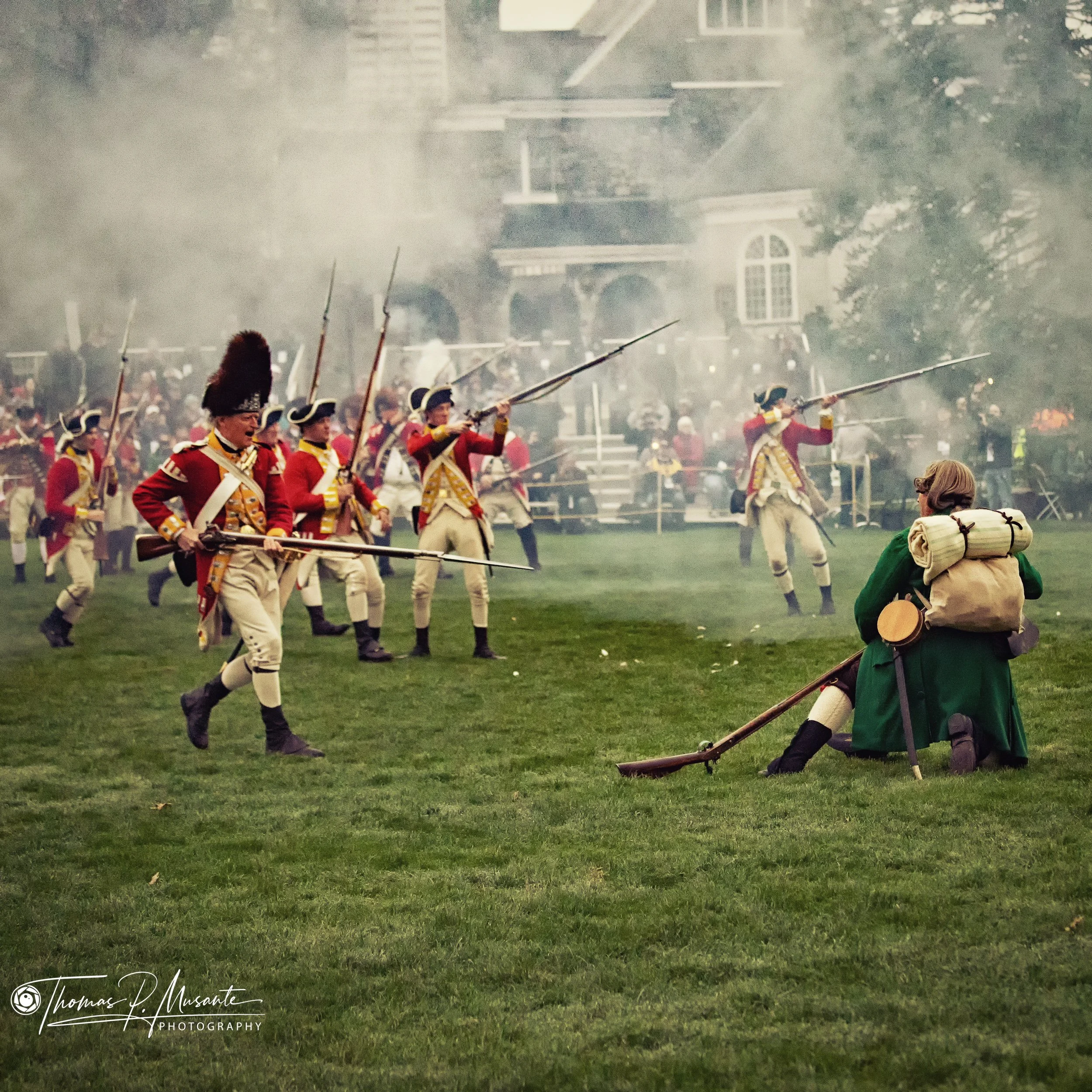
He Would Not Run: Jonas Parker on Lexington Green, April 19, 1775 (Reenacted, Patriots’ Day 2026)
In the cold dawn light on Lexington Battle Green, Jonas Parker — farmer, father, and one of the first Americans to fall — stands his ground. He had promised he would never run. He kept that promise.
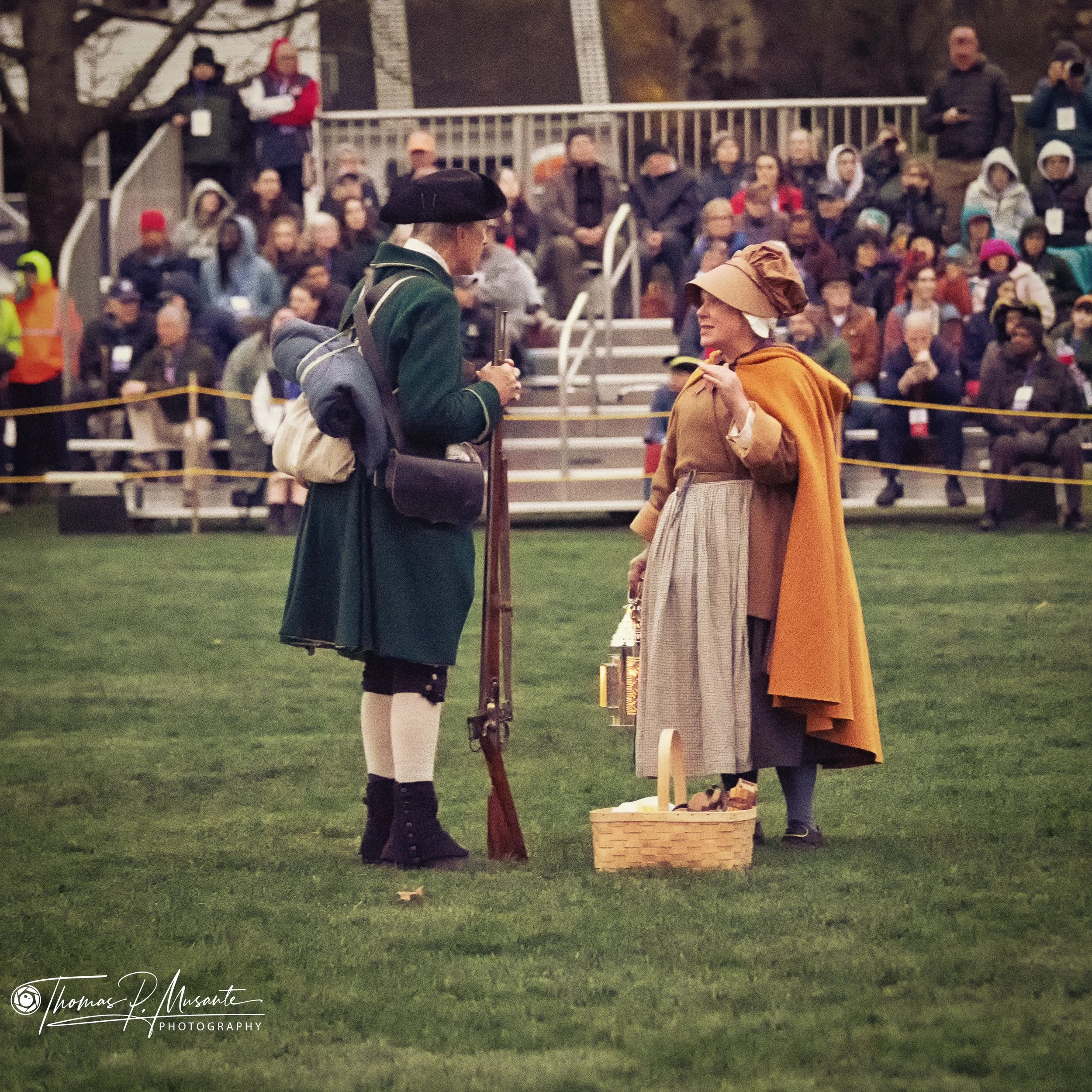
The Story of Isaac Hastings & the Man Who Brings Him Back to Life
Discover the story of Isaac Hastings, a 19-year-old Lexington farmer who stood with his father and brother on the Battle Green on April 19, 1775. Candid street photography from Patriots’ Day 2026 connects his citizen-soldier legacy to today’s reenactors for the 250th anniversary of the American Revolution.
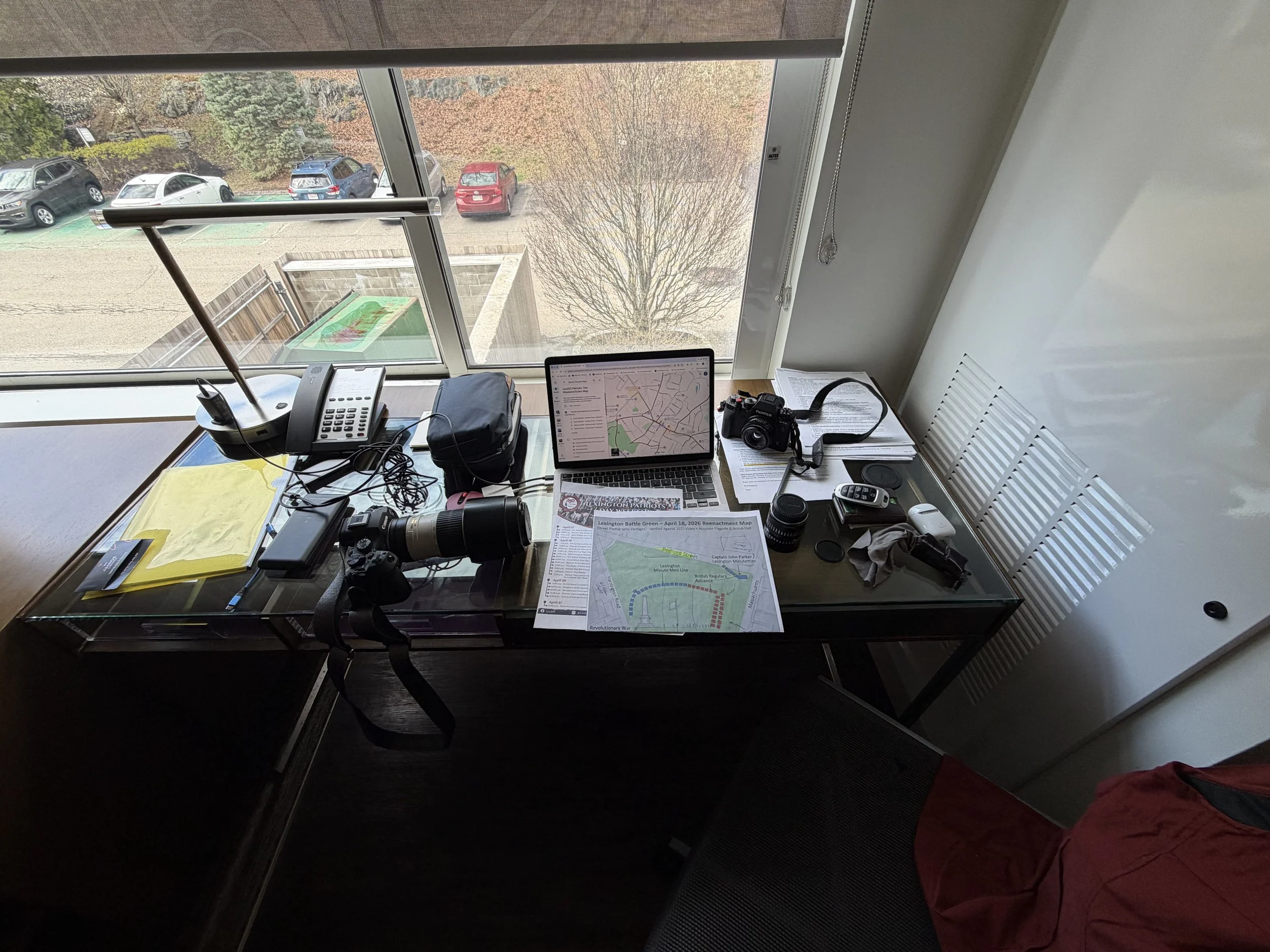
Not Planning is Planning for Failure
When I first started shaping this Rev 250 Street Photography Project while watching Ken Burns’ The American Revolution on PBS, I was struck by how meticulously every scene had been planned and researched. That level of preparation translated directly into the power of the final production.
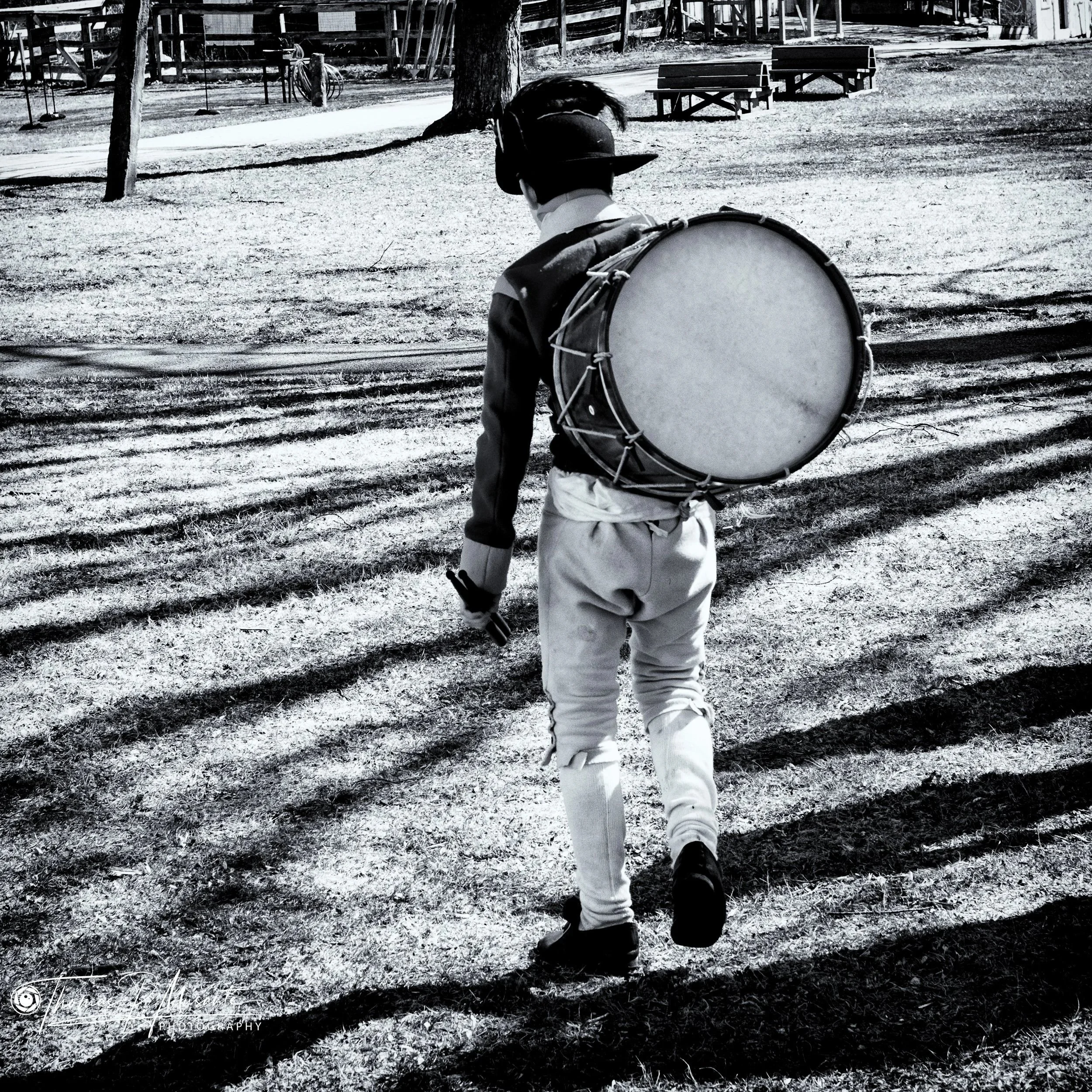
Launching Rev250
This post announces the launch of a personal street photography project focused on the REv250 celebrations and the amazing people that participate in presenting the living history of the nations founding.